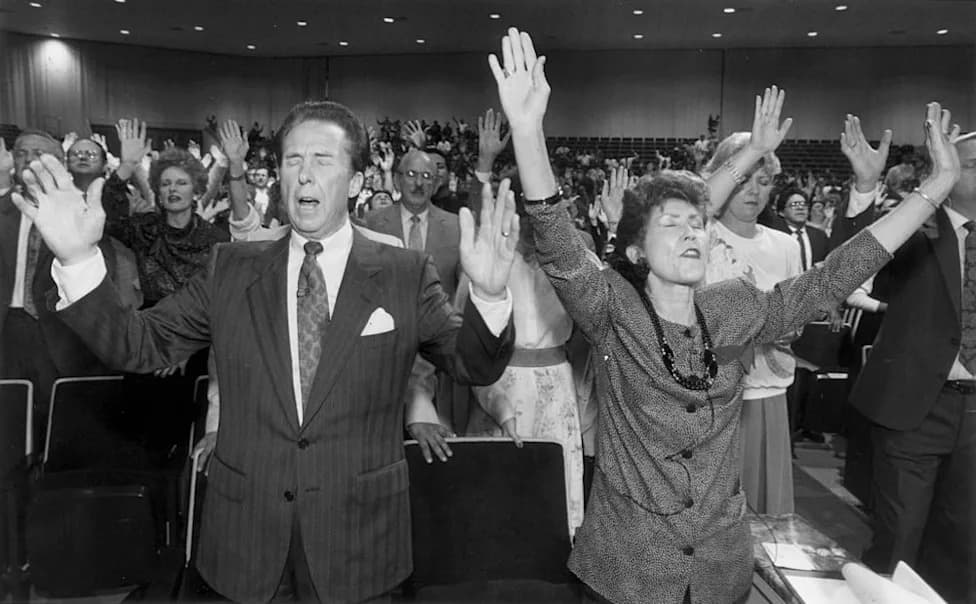
Disestablishment—the separation of church and state—forced American churches to replace lost government funding with voluntary giving. That shift turned ministers into fundraisers and congregants into active donors whose contributions bought services, schools and community ties. Religious colleges and K–12 institutions became central hubs for fundraising and member cultivation, using tools like "scholarship certificates" to mobilize tens of thousands of small donors. These financial adaptations helped U.S. denominations innovate and sustain widespread religious participation in ways that differed from much of Western Europe.
From Taxes to Tithes: How a Financial Shift Helped U.S. Churches Thrive
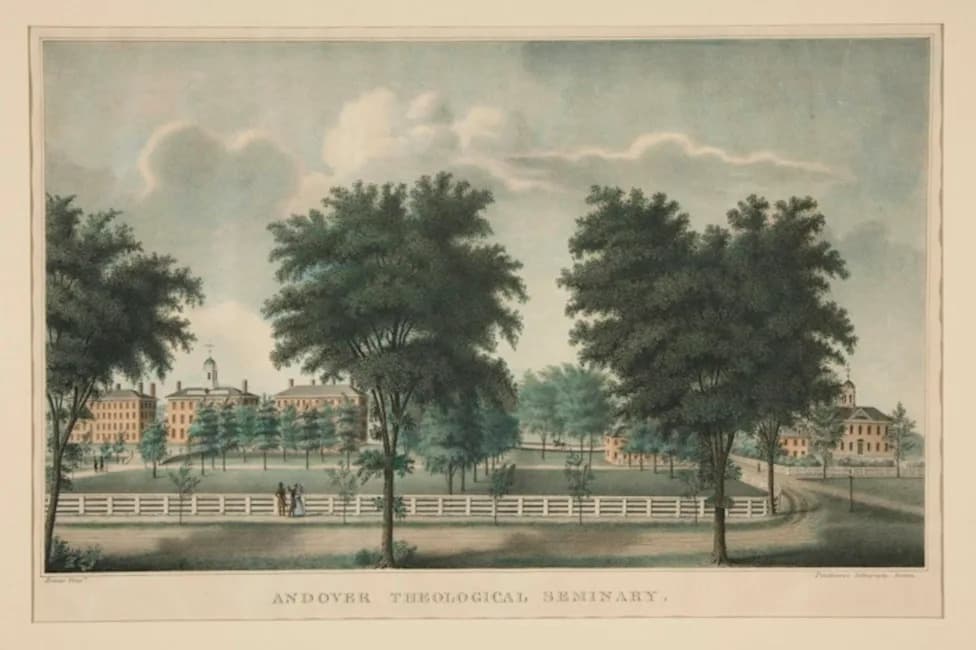
Andover Theological Seminary was founded in the early 1800s to train Congregational ministers.J. Kidder/Yale University Art Gallery/Wikimedia Commons
While some measures show Americans becoming less religious—daily prayer rates have fallen since 2007 and the religiously "unaffiliated" now make up about 29% of the population—faith continues to play an outsized role in U.S. public life compared with much of Western Europe.
Around two-thirds of Americans say religion is "somewhat" or "very" important to them, compared with 56% in Italy, 40% in Spain and 36% in Germany. Roughly two-thirds of American Christians pray daily, versus about 18% of European Christians.
The Financial Consequence of Disestablishment
Scholars point to a key institutional cause: the United States' long-standing separation of church and state—often called disestablishment. My research on the history of philanthropy suggests that disestablishment did more than protect religious freedom. It also pushed churches to develop voluntary funding models that spurred a remarkable expansion of giving and organizational innovation.
Before independence, many colonies supported specific denominations with tax revenue. New England commonly funded Congregationalist churches, while several southern colonies backed the Church of England. After independence, and especially following the gradual end of state support (Massachusetts ended official support for Congregational churches in 1833), churches lost government funding and needed new revenue sources.
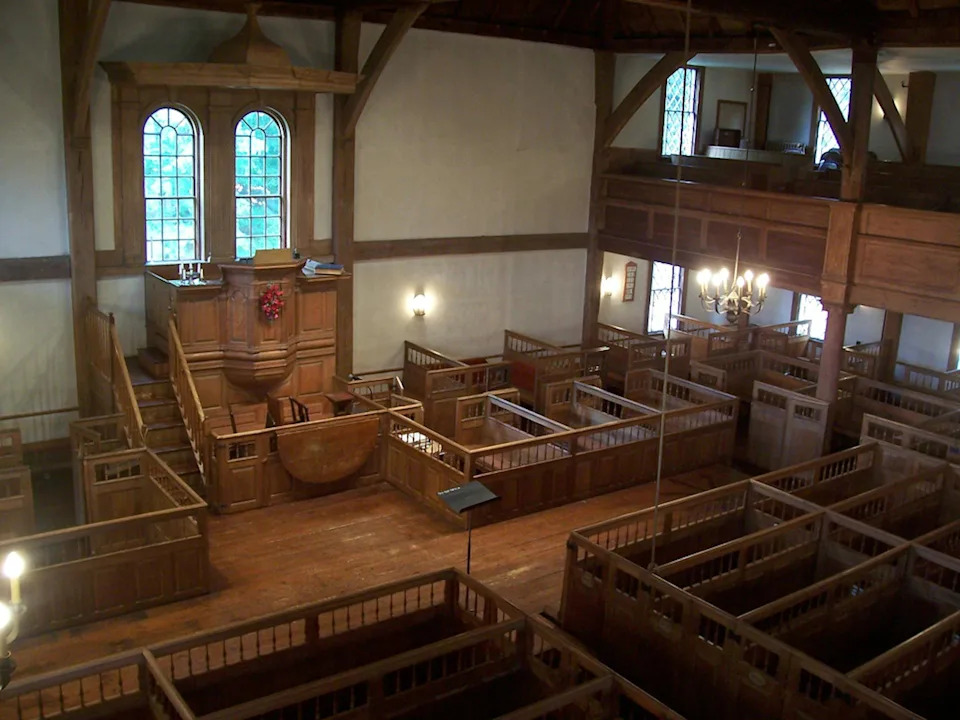
Old Ship Church in Hingham, Mass., is the only surviving Puritan meeting house from the 1600s in the United States.Michael Carter/Flickr via Wikimedia Commons,CC BY-SA
From Congregants to Donors
With state backing gone, churches had to pay ministers and teachers, build and maintain houses of worship, and sustain affiliated institutions such as schools and colleges. That shifted financial responsibility to congregations: ministers became fundraisers and believers became donors. Giving was rarely pure charity—donors received education, social services and communal belonging in return, strengthening emotional and civic ties to their denominations and turning members into stakeholders.
Colleges, Schools, and the Rise of Mass Fundraising
Religious colleges provide a clear example. On the eve of the Civil War the United States had 207 religious colleges—nearly 60% of all American higher-education institutions. Most were founded after independence: 49 Presbyterian, 34 Methodist, 25 Baptist, 21 Congregational, 14 Catholic and 11 Episcopalian, with others started by smaller denominations.
Colleges trained ministers and teachers who sustained denominational life. Many denominations also built K–12 schools that reached far larger numbers of students, helping socialize future congregants and donors. The Presbyterian Church, for instance, founded universities such as Austin College (Texas) and Lafayette College (Pennsylvania) and also established dozens of academies and primary schools across multiple states.
But schooling was expensive, and many students could not pay full tuition. In 1806 only six of Dartmouth College's 39 graduates had paid all their fees. Financial strain forced some institutions to close: of 109 Presbyterian colleges founded between 1794 and 1904, 68 had shut down by 1940.
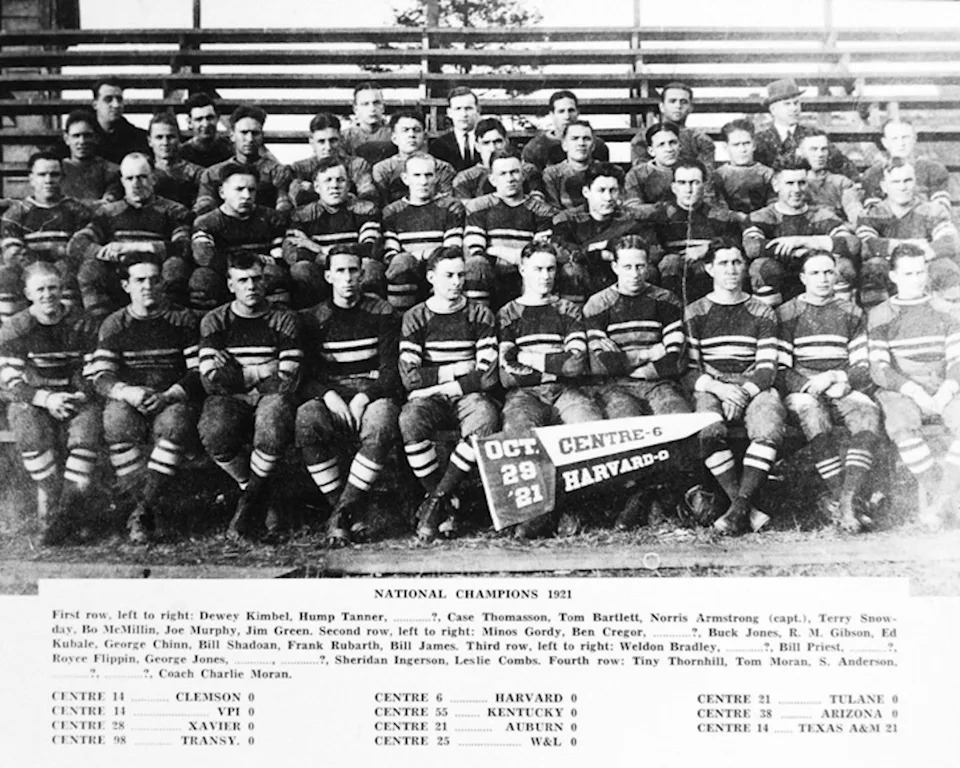
The 1921 football team at Centre College in Kentucky, which is affiliated with the Presbyterian Church.Centre College Photos via Wikimedia Commons
To survive, colleges and denominations adopted innovative fundraising tactics. They sold "scholarship certificates"—prepaid tuition benefits that buyers could assign to family or nominees—at prices ranging from a few hundred to several thousand dollars. These campaigns mobilized broad bases of small donors and tied contributors directly to institutional missions.
A striking example is the campaign to found Southern Methodist University in Dallas in the early 1900s. More than 29,000 donors across Texas contributed small sums; SMU's first bursar noted that the university had largely been built by "poor people" giving modest amounts. The university also pledged to admit 50 students each year tuition-free, nominated by the church's 50 presiding elders in Texas—an explicit linkage between congregational networks and institutional enrollment.
Why It Mattered
By turning religious participation into a mixture of services, reciprocal ties and organizational ownership, the voluntary funding model that followed disestablishment helped American churches innovate, adapt and remain central to many communities. Where state-backed churches in parts of Europe often stagnated, U.S. denominations faced market-like pressures that encouraged fundraising creativity, institutional diversity and sustained grassroots involvement.
Note: This article is adapted from work originally published in The Conversation by Thomas Adam, University of Arkansas. The analysis summarizes historical patterns and fundraising strategies that shaped American denominational life after disestablishment.
Help us improve.