LinkedIn’s 2026 Top 50 colleges list ranks schools by real post-graduation outcomes rather than admission metrics, using five career-focused pillars: job placement, internships and recruiter demand, network strength, career advancement and knowledge breadth. Princeton retained the No. 1 spot; Yale made the biggest climb, and seven colleges entered the Top 50 for the first time. A new "Best Schools for Networking" ranking highlights the importance of alumni connections, and LinkedIn will also release specialized lists for engineering, business, AI talent, entrepreneurship, HBCUs and liberal arts colleges.
LinkedIn’s 2026 Top 50 Colleges: Which Schools Deliver Real Career Results
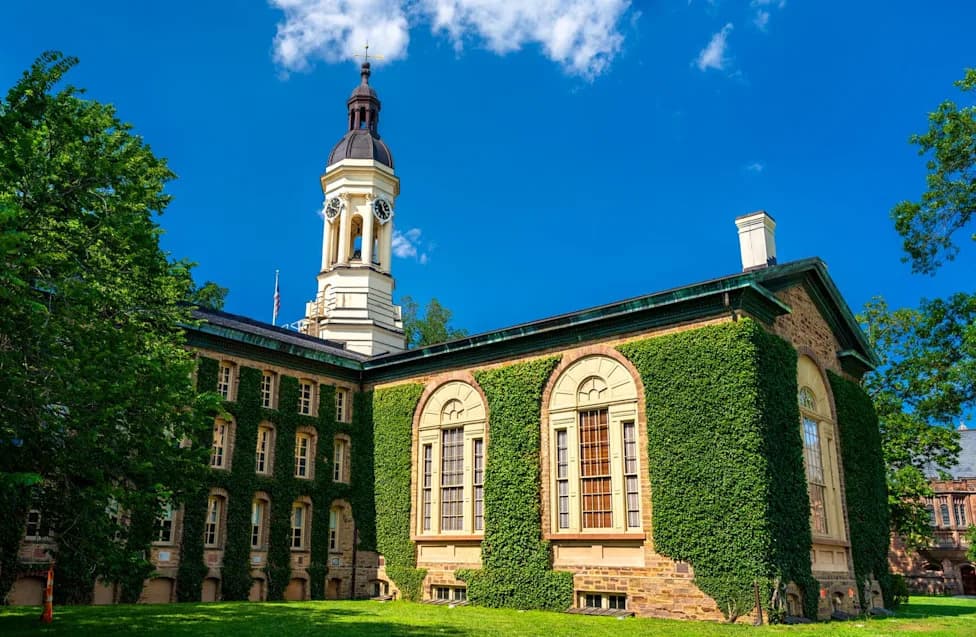
LinkedIn Releases 2026 List of 50 Top CollegesLeonid Andronov - Getty Images
LinkedIn has published its 2026 list of the Top 50 colleges, using a novel approach that prioritizes graduates' career outcomes over traditional admissions metrics like acceptance rates and test scores. By analyzing millions of LinkedIn member data points, the ranking aims to show which institutions most reliably help students secure jobs, internships, strong professional networks, and long-term career advancement.
How the Ranking Works
The ranking evaluates colleges across five career-focused pillars: job placement, internship and recruiter demand, network strength, career advancement, and knowledge breadth (unique fields of study and skills among recent cohorts). LinkedIn retained the same methodology used in 2025 with a small adjustment to the knowledge breadth weighting to better reflect post-graduation outcomes.
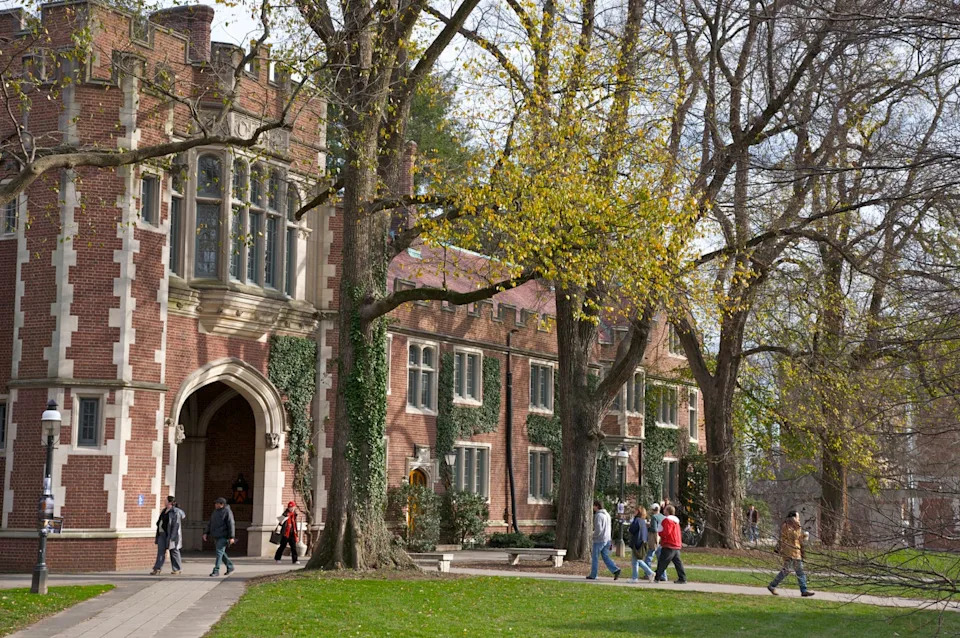
Students on Princeton campus.Barry Winiker - Getty Images
Top Results, Movers, and New Entrants
Princeton University held the No. 1 spot for 2026, credited with strong performance across all five pillars — including surprising strength in engineering and computer science subrankings. Duke University and Harvard follow near the top, while Yale posted the biggest jump, moving from No. 19 in 2025 to No. 9 in 2026, largely due to gains in entrepreneurship and startup outcomes.
Seven colleges made their Top 50 debut this year: Middlebury College (No. 37), Claremont McKenna College (No. 40), Washington University in St. Louis (No. 42), University of North Carolina at Chapel Hill (No. 45), Davidson College (No. 47), Williams College (No. 48) and Bowdoin College (No. 49). The Ivy League saw internal shifts: Harvard, Dartmouth and Yale rose, while Penn, Cornell and Columbia slipped — illustrating that rankings are relative and may change as other institutions improve across the measured pillars.
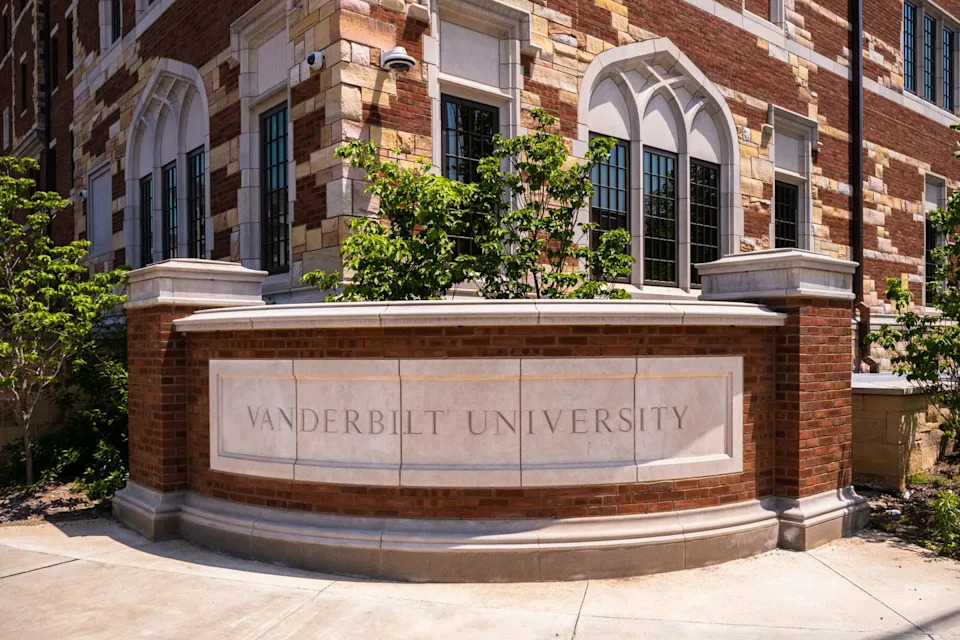
Vanderbilt University, in Nashville.RAUL RODRIGUEZ - Getty Images
Why Alumni Networks Matter
LinkedIn emphasizes that alumni networks play a key role in long-term career trajectories, helping with internships, mentorships and job opportunities. To reflect this, LinkedIn introduced a dedicated "Best Schools for Networking" ranking. The results show that strong professional networks are not limited to the most famous brands—schools such as Washington and Lee, Babson, Colgate and Vanderbilt rank highly for network strength.
Liberal Arts And Diverse Paths To Success
Liberal arts colleges continue to perform well in career outcomes: ten liberal arts institutions appear in this year’s Top 50 (up from seven last year). LinkedIn stresses there is no single "best" college for everyone; students should focus on schools that align with their individual goals, whether those are in AI, entrepreneurship, engineering, business or networking.
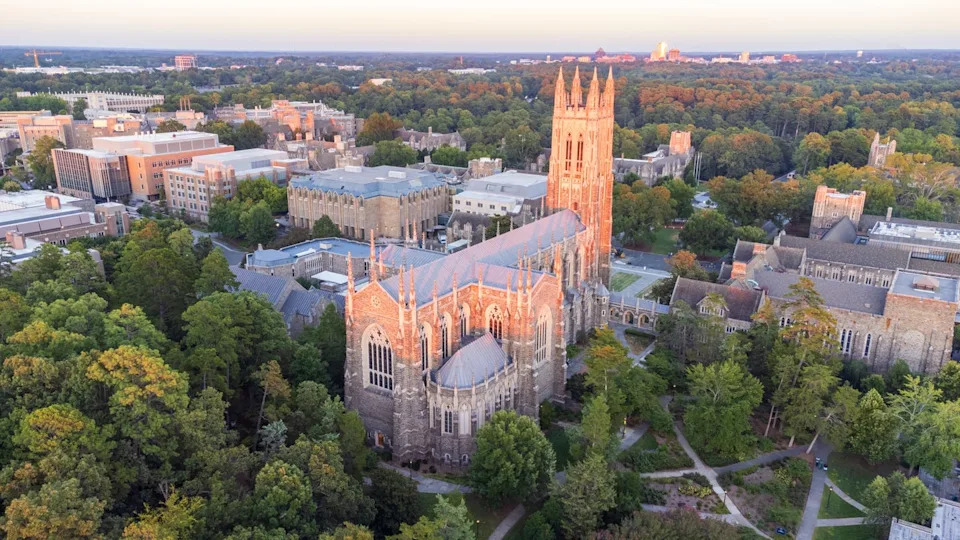
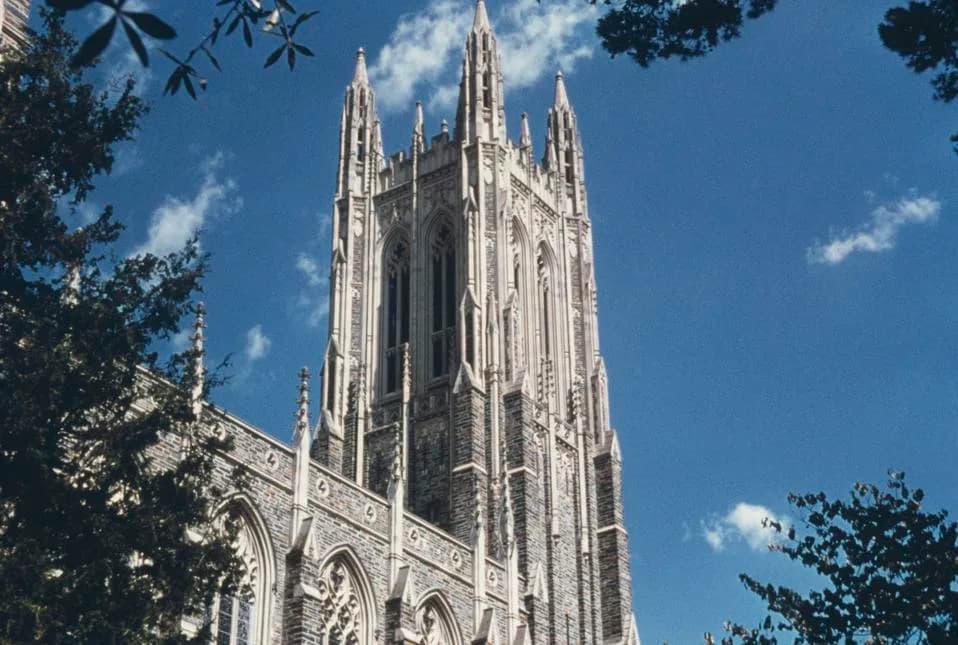
Duke University, the no. 2 school on LinkedIn's list.CRobertson - Getty Images
Specialized Rankings Coming
Alongside the overall Top 50, LinkedIn will publish specialized rankings for:
- Engineering and Computer Science
- Business
- Entrepreneurship
- AI Talent
- Networking
- Top HBCUs and Liberal Arts Colleges
Excerpt: Notable Schools In This Release
Highlighted schools mentioned in the release include: Princeton University, Duke University, Harvard University, Massachusetts Institute of Technology (MIT), Dartmouth College, University of Pennsylvania, University of Notre Dame, Cornell University, Yale University, Stanford University, Vanderbilt University, Brown University, Babson College, Northwestern University, University of Virginia, Bucknell University, Wake Forest University, Tufts University, Washington and Lee University, and Carnegie Mellon University.
Takeaway: LinkedIn’s 2026 rankings offer a data-driven, career-oriented view of college value. Prospective students should use these results together with other factors—academic fit, campus culture, cost, and personal goals—to choose the best school for their future.
Help us improve.