Study: A summer 2022 field experiment emailed over 80,000 U.S. K–12 principals asking which parent to call about enrollment. Result: When availability wasn’t specified, mothers were about 1.4 times more likely than fathers to receive the first callback (roughly 60% vs. 40%). Implication: School routines can unintentionally add to the "mental load" mothers bear; explicitly recording family contact preferences and adjusting staff practices can help rebalance communications.
Better Call Mom? How Schools Still Default To Contacting Mothers — And What To Do About It

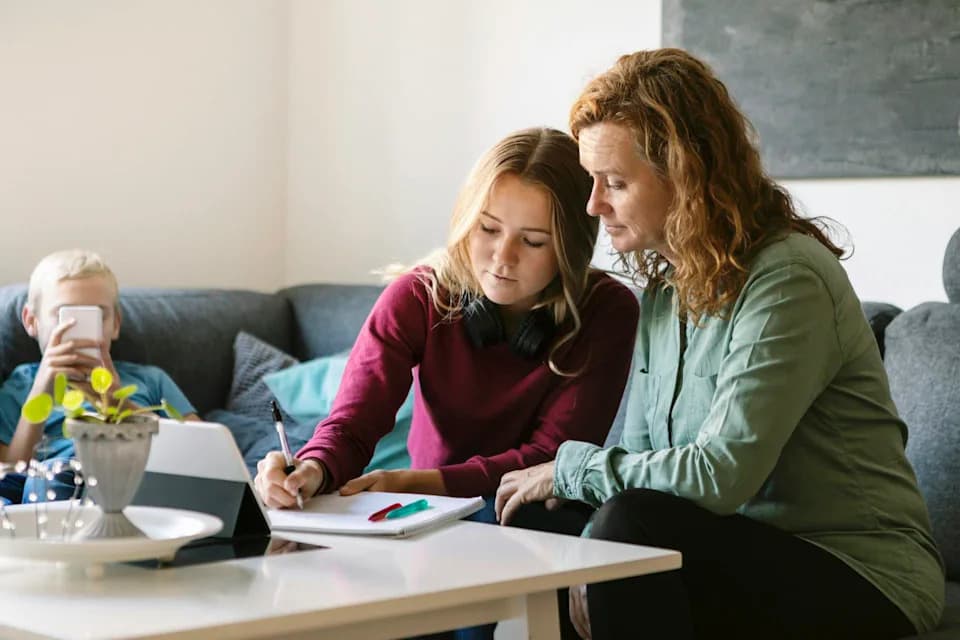
A new school year brings added responsibilities for many parents, especially mothers.Joan Slatkin/UCG/Universal Images Group via Getty Images
The start of the school year brings the familiar list of tasks for families: buying supplies, completing forms, arranging rides and answering a steady stream of messages from teachers and administrators. Although many households try to share these chores, research repeatedly shows mothers take on a larger share of school-related work — including the less visible planning and coordination often called the "mental load."
As economists who study gender and family dynamics, we asked whether schools themselves might contribute to that imbalance by defaulting to contact mothers more often than fathers. Our nationwide field experiment and companion surveys suggest they do.
What We Did
In summer 2022 we emailed more than 80,000 K–12 school principals across the United States from a fictional two-parent household interested in enrolling a child. Each message listed a mother and a father with separate phone numbers and asked the principal to call one of them. Because we randomly varied names and the wording of the requests, we could isolate whether a parent's gender influenced who received the callback.
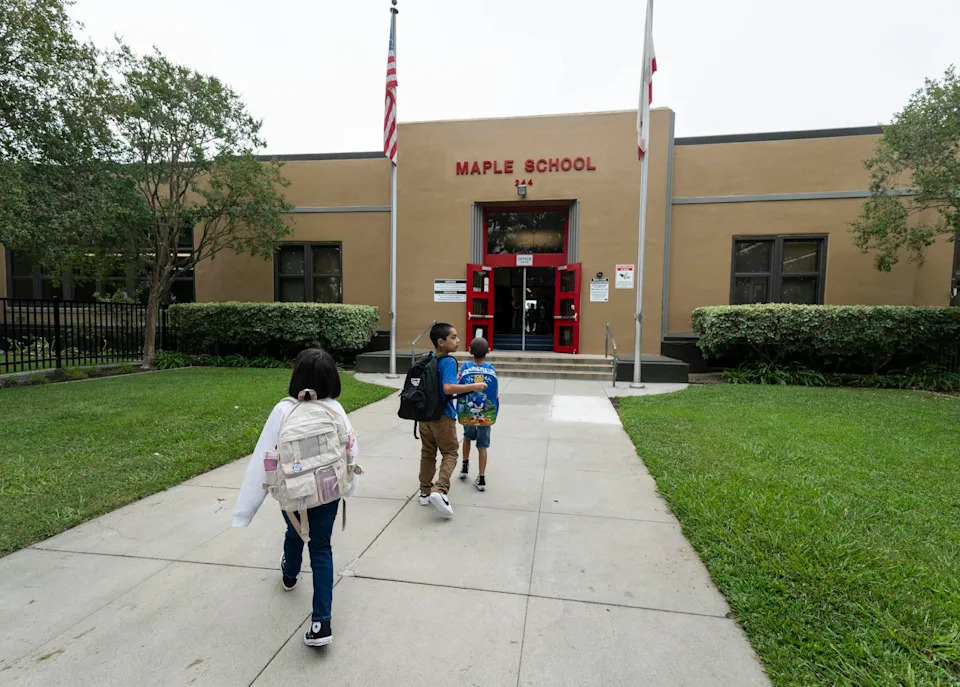
When given a choice between two parents, approximately 60% of school principals contact mothers, not fathers, to discuss matters related to their children.Paul Bersebach/MediaNews Group/Orange County Register via Getty Images
Key Findings
When neither parent appeared more available, mothers were about 1.4 times more likely than fathers to receive the first phone call. Among principals who called someone back, roughly 60% contacted the mother first and 40% contacted the father.
Providing additional cues changed behavior but did not eliminate the pattern: when the email explicitly stated the father had more availability, principals were substantially more likely to call him — but many schools still called mothers first. If the father sent the email and copied the mother, principals became more likely to call him, yet mothers continued to receive a substantial share of calls.
Why This Matters
These patterns suggest many school staff treat mothers as the default contact for child-related matters, even when given information indicating fathers are equally or more available. This is unlikely to reflect deliberate bias in many cases: administrators often make quick decisions with limited information and may rely on prior experience. Still, when such choices are repeated thousands of times across districts and organizations, they can cumulatively reinforce unequal caregiving responsibilities.
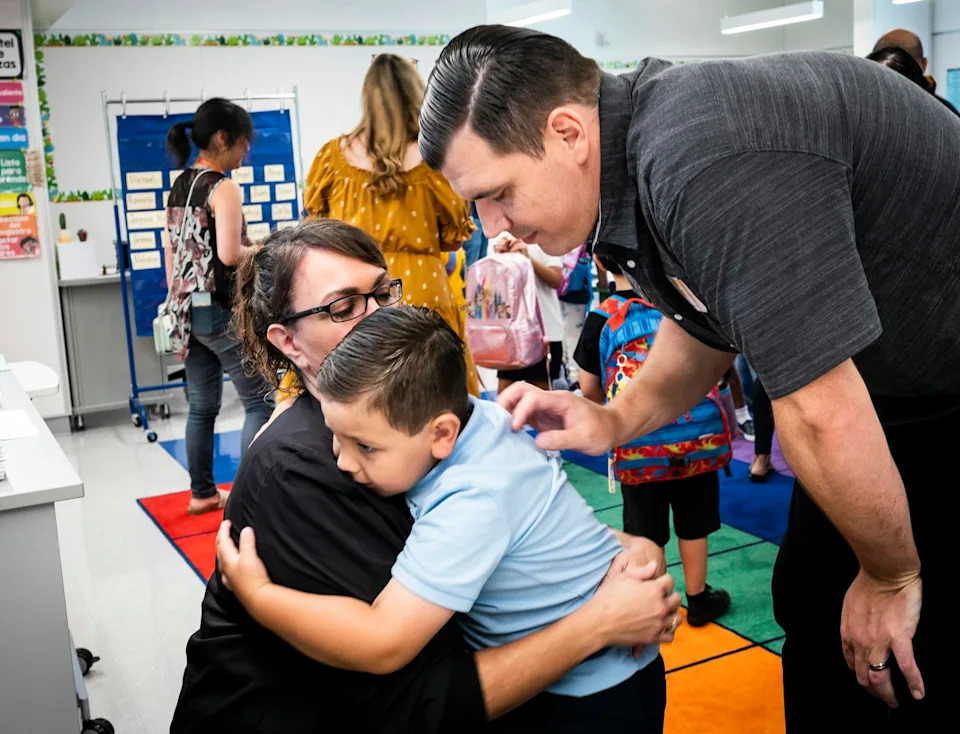
The start of a new school year comes with transitions for both children and their parents.Paul Bersebach/MediaNews Group/Orange County Register via Getty Images
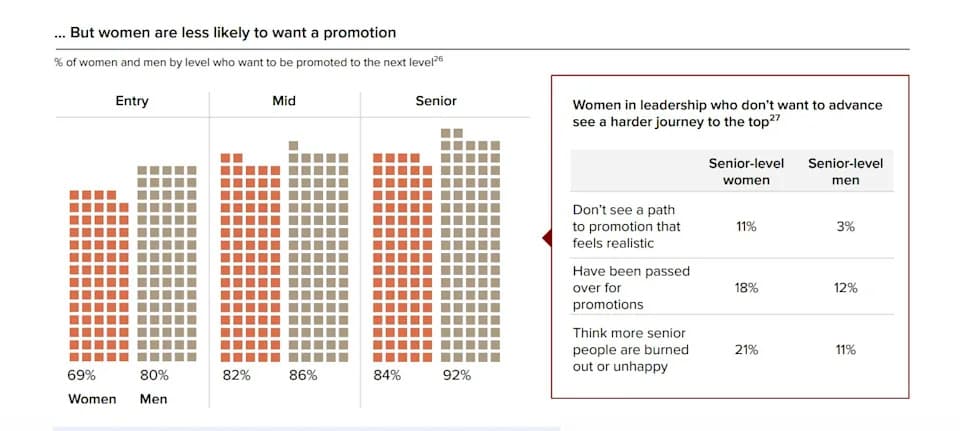
The unequal distribution of contact requests contributes to the "mental load" that disproportionately falls on mothers. That load affects more than free time: it can increase stress and burnout, shape perceptions of fairness within relationships and influence parents' careers by affecting work hours, promotion opportunities and earnings.
Broader Evidence
In surveys conducted alongside the experiment, childcare providers, coaches, medical professionals and others who regularly interact with families also reported contacting mothers more often than fathers. One phone call may seem trivial, but across a school year — and across doctors' offices, teams and camps — those interruptions accumulate into a meaningful burden.
Practical Steps Schools And Families Can Take
- Make Contact Preferences Explicit: Allow families to specify a preferred first contact and different contacts for different situations when they register or at the start of the school year.
- Adjust Default Systems: Design school databases and automated systems so they do not automatically prefer one parent based on name or historical patterns.
- Train Staff: Encourage administrators to check the family’s stated contact preferences before calling and to rotate outreach when preferences are not specified.
- Monitor Patterns: Periodically audit who receives calls and messages to identify and correct persistent imbalances.
Methods Note
The field experiment used randomized emails to isolate causal effects of parent gender and message cues on callbacks. Because principals were randomly assigned to different message versions, differences in callback rates can be attributed to those variations rather than to underlying differences across schools.
Authors And Funding
This article summarizes work by Laura K. Gee (Tufts University), Kristy Buzard (Syracuse University) and Olga Stoddard (Brigham Young University). The authors report receiving funding from the Russell Sage Foundation and related institutional sources.
Bottom line: Small organizational routines — like who gets called first — have cumulative effects on caregiving. Making contact preferences explicit and training staff to check them can reduce an invisible source of unequal parenting burdens.
Help us improve.