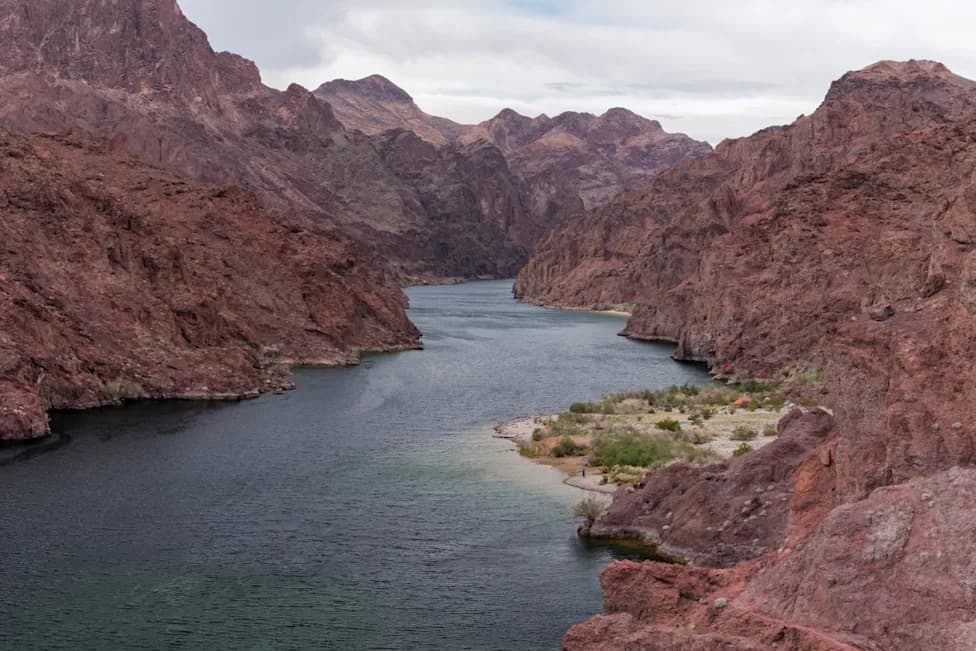
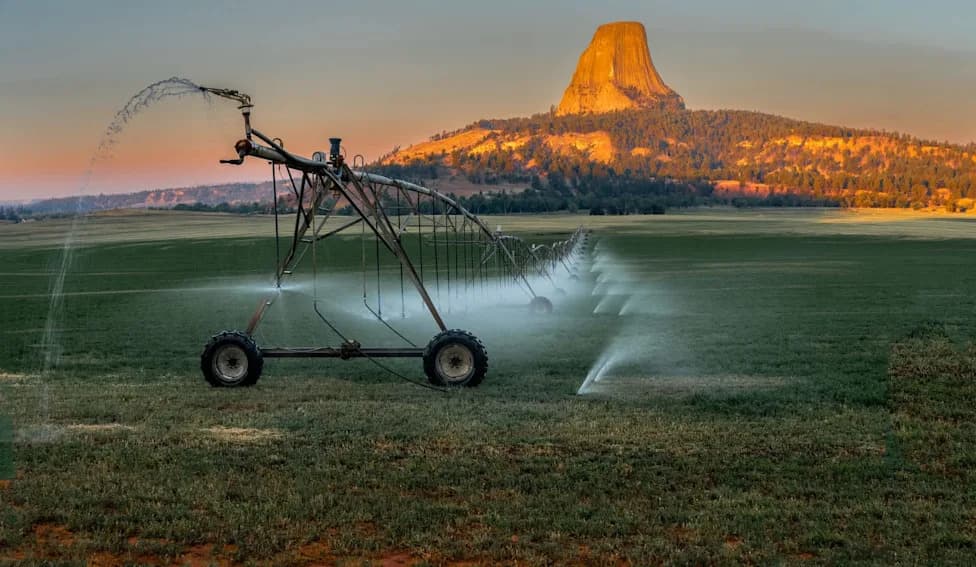
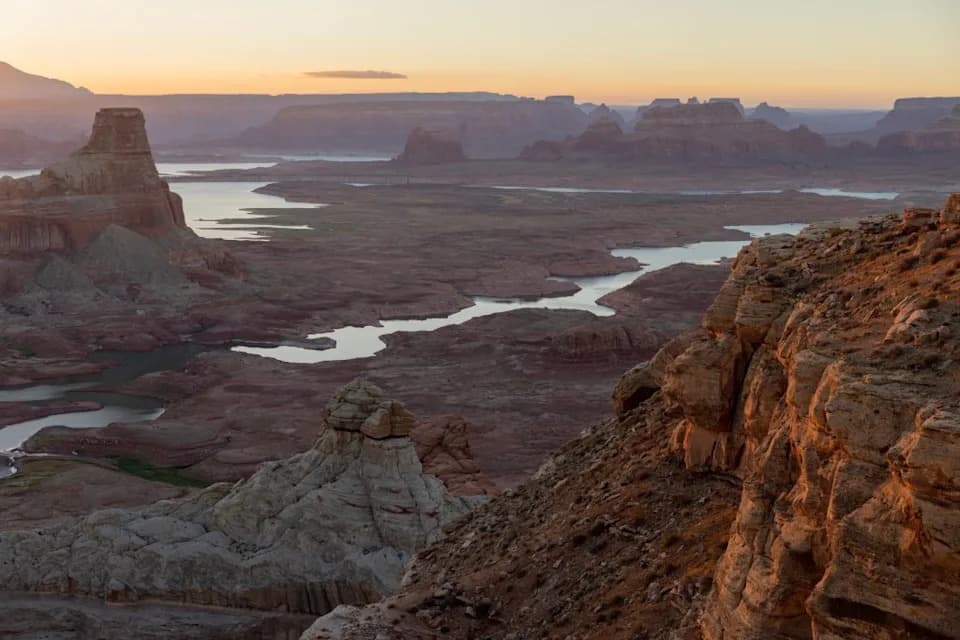
Colorado officials have proposed a contribution program offering millions to residents, farmers and other water users in Colorado, Utah, Wyoming and New Mexico to voluntarily reduce Colorado River diversions. Details on eligibility, how funds will be divided and which conservation measures will be paid for are still undecided. Officials say the program could save the equivalent of a year’s water for hundreds of thousands of households, but a federal plan could require up to 3 million acre-feet of cuts in the Lower Basin. Applications are expected to open in the coming months and the program aims to start in 2027.
Get Paid To Use Less Water? Colorado Proposes Millions In Incentives To Cut Colorado River Withdrawals
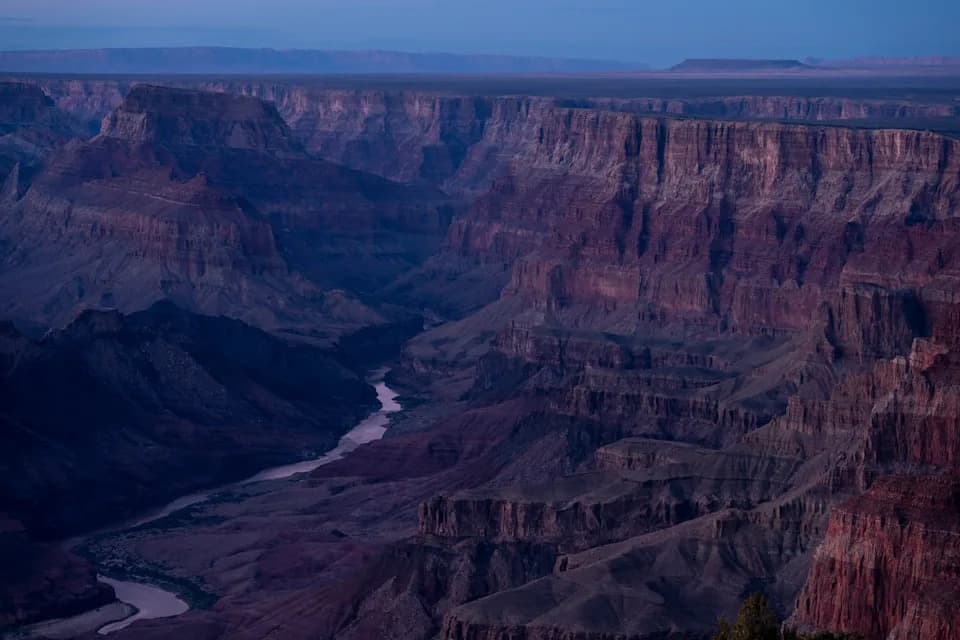
The Colorado River and Grand Canyon, seen here from Desert View in the Grand Canyon National Park on Oct. 25, 2022.
Colorado officials have announced a proposed contribution program that would use millions of dollars to pay some residents, farmers and other water users in Colorado, Utah, Wyoming and New Mexico to voluntarily reduce diversions from the Colorado River.
The initiative is part of wider efforts across the West to slow declining reservoir levels and manage an escalating water crisis. Key details — including how funds will be divided among the states, which water users will be eligible and the specific conservation measures to be paid for — remain undecided. Amy Ostdiek, chief of the Colorado River Water Conservation Board, said officials hope to encourage participation across sectors and regions of the state.
Potential Savings and Federal Context
Officials estimate the program could save the equivalent of a year’s water use for hundreds of thousands of households, though much larger cuts will be needed to stabilize the river system. A federal plan released July 31 could require the Lower Basin states — Arizona, California and Nevada — to reduce as much as 3 million acre-feet of water annually. One acre-foot equals roughly 326,000 gallons, about enough for two typical households for a year.
Past Incentive Programs
Upper Basin states previously ran a pilot program from 2015 to 2018 that paid farmers and ranchers to test and implement on-the-ground conservation measures to manage drought conditions. During that pilot, participants received about $180 per acre-foot conserved; some shifted to more water-efficient crops while others left portions of fields unirrigated, according to the Colorado Sun.
In 2023, the federal government enacted a related program that targeted Lower Basin users — including Native American tribes, water districts and farmers — paying them to voluntarily reduce water use by roughly 2.3 million acre-feet compared with their previous entitlements.
"We really want to do our part," Ostdiek said. "We really want to do what we can with setting up this contribution program. But the reality is, we're already living on the front lines of climate change every single year and taking really significant reductions as a result of that."
The Colorado contribution program is described as a "parallel program" — separate from but coordinated with ongoing interstate negotiations about the future allocation framework for the Colorado River. Officials say they will begin accepting applications for conservation projects in the coming months, with the program expected to officially start in 2027 after the 104-year-old compact that governs river allocations is set to expire.
The U.S. Bureau of Reclamation was contacted for comment about the new program. Contributing reporting: Brandon Loomis, Arizona Republic. This article originally appeared on USA TODAY.
Help us improve.