Extreme heat this summer drove millions to seek relief and highlighted a growing risk: heat is no longer just a seasonal hazard for many—it is increasingly a driver of permanent displacement. A PNAS study warns that by 2070 up to one-third of people could live outside the "human climate niche" if emissions continue. Heat amplifies inequality, eroding livelihoods, health and education, but proven solutions—urban cooling, worker protections and targeted finance—exist; the main barrier is resources and political will.
The Cost of Extreme Heat: How Rising Temperatures Are Forcing People From Their Homes
—zpagistock—Getty Images
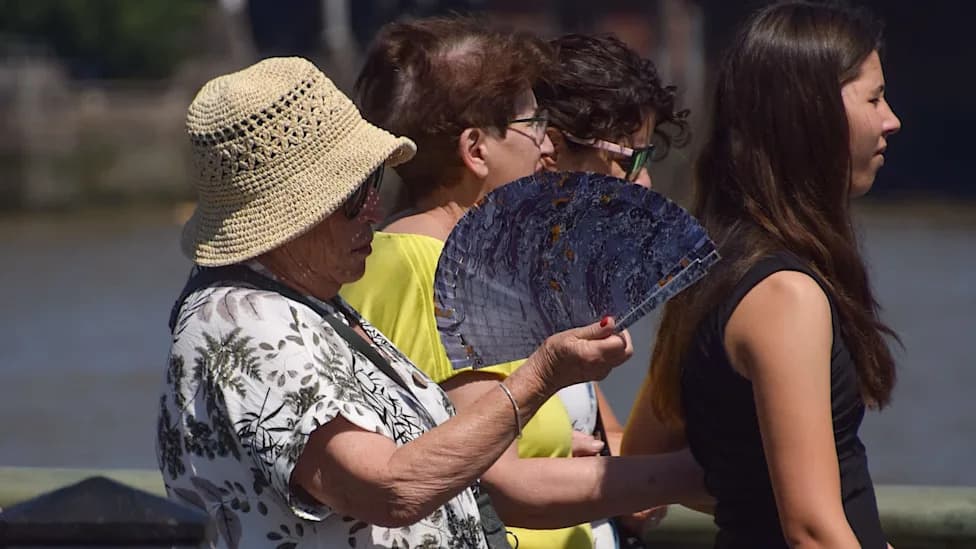
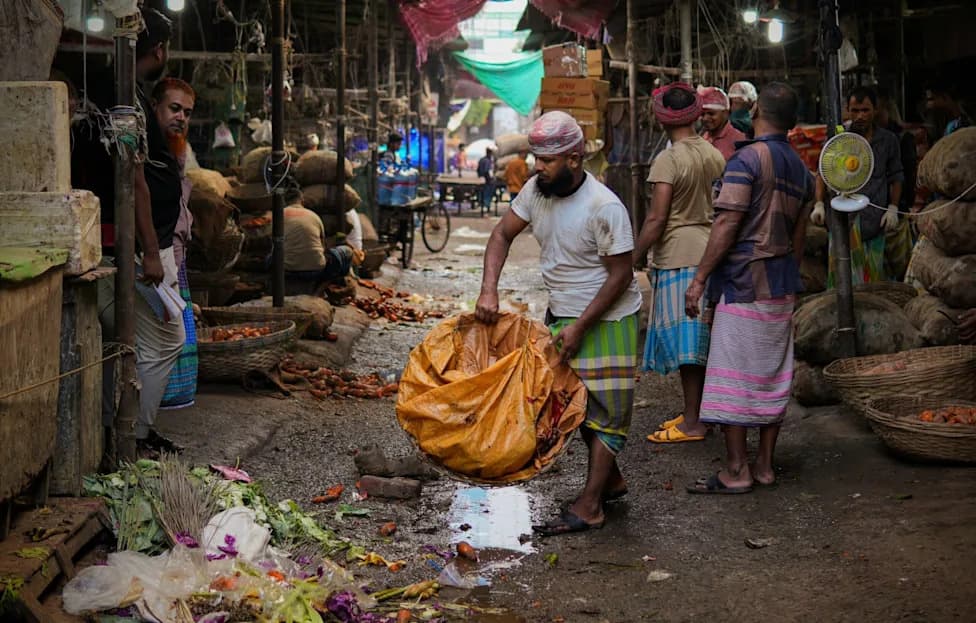
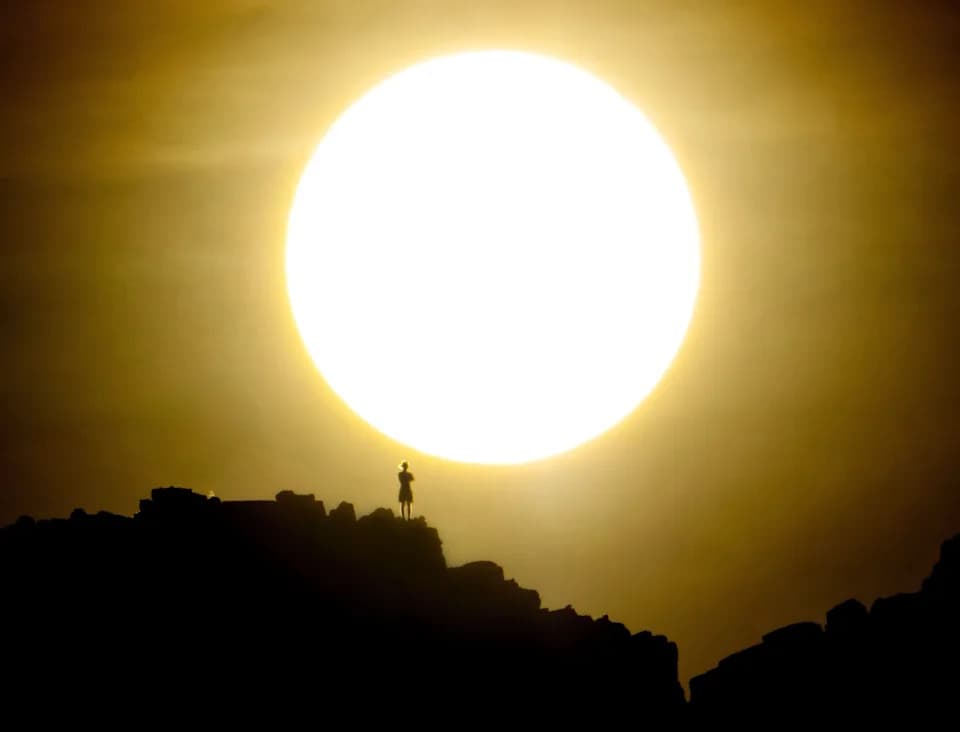
This summer's record-breaking heat across Europe and the United States has driven millions to seek cooling: public pools and libraries have become refuge, air conditioners run nonstop where available, and traditional escapes to mountains or coasts are increasingly under heat advisories.
Heat as a New Driver of Displacement
For many, the immediate dangers of extreme heat are seasonal—the early analyses of Europe’s June heatwave, for example, estimate at least 20,000 deaths. But for millions more, heat has moved beyond a temporary hazard and become a long-term driver of migration and displacement.
Researchers describe a “human climate niche”: the band of rainfall, humidity and temperature in which human societies have prospered for millennia. Climate change is contracting that niche. A study in Proceedings of the National Academy of Sciences warns that, by 2070, as much as one-third of humanity could live outside these habitability conditions if greenhouse gas emissions remain unchecked. Central to this shift is extreme heat.
When Heat Becomes Unlivable
Scientists have long warned that sustained wet-bulb temperatures of around 35°C (95°F)—when heat and humidity prevent the human body from cooling itself—are essentially unsurvivable. Several locations have already breached this threshold, and emerging evidence suggests the human tolerance threshold may be lower than previously thought. Even before areas become physiologically uninhabitable, they can become economically and socially untenable.
Heat Amplifies Inequality
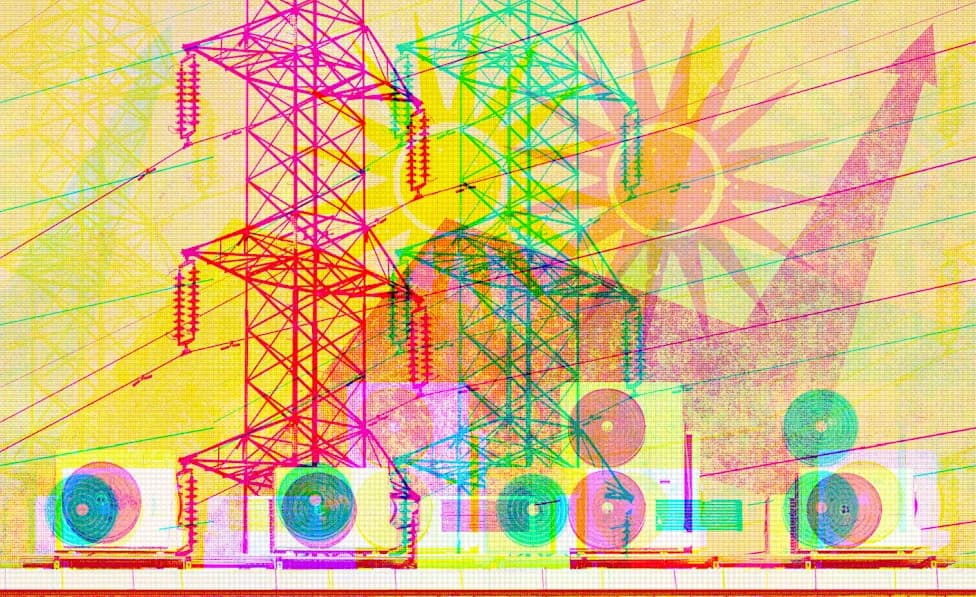
People rarely move because of heat alone; they move because heat makes staying too costly. Whether a household can remain often depends on whether it can afford to adapt. Wealthier families can run air conditioning, absorb higher utility bills, or relocate temporarily. Wealthier cities can invest in cooling infrastructure. For billions without these options, each hotter year compounds losses—destroyed crops, livestock deaths, lost wages for outdoor workers, higher household spending on water and medicine, and greater health risks for pregnant people, children, and older adults.
Migration is usually the end of a long process—the cumulative result of repeated losses that erode income, health and hope over years.
Human Stories
Santuben Kantibhai, a farmer in Gujarat, India, has endured two years of cascading climate and economic shocks. A severe heat wave decimated standing crops and household income. Simultaneously, Santuben’s father developed cataracts that reduced his ability to work. When another heat wave hit in 2025, yields fell again just as the family needed surgery. In Santuben’s case, parametric insurance cushioned income losses and covered medical costs, preserving the family’s ability to remain on their land rather than being forced to leave.
Sebastian Perez, an undocumented farmworker from Guatemala, died in 2021 after working outside during Oregon’s record heat when temperatures soared and asphalt softened under workers’ feet. His death illustrates how heat hazards can follow people across borders and into the livelihoods they pursue.
Solutions Exist—But Resources Do Not
There are proven, practical measures to reduce heat risks: urban trees and shaded streets, cool roofs and passive building design, early-warning systems, worker protections and financial tools such as parametric insurance. These interventions can lower local temperatures, protect livelihoods, and give families choices about whether to stay.
The core challenge is not a lack of solutions but a lack of resources and political will. Communities most exposed to extreme heat are often least able to finance adaptation—making increased domestic investment and international climate finance essential. These measures cannot replace urgent emissions cuts, but they can buy time and preserve people’s ability to remain where they live.
Unequal Impacts Require Inclusive Policies
Heat does not affect everyone equally. Economic status, gender, race, disability and legal status intersect to increase exposure and reduce access to help. Women are estimated to make up about 80% of those displaced by climate impacts and are more likely to die in climate-related hazards in some contexts. Caregiving burdens, water collection and cooking responsibilities—tasks that continue even during dangerous heat—heighten exposure. Adaptation strategies must be designed to reach the most vulnerable or they risk leaving them behind.
The Scale Of The Risk—and The Choice
The World Bank estimates that under a high-emissions scenario up to 216 million people could be internally displaced by climate impacts over the next 25 years. Importantly, the bank finds that ambitious adaptation and emissions reductions could cut that number by as much as 80%. When people leave because impacts force them out, migration is evidence that adaptation arrived too late.
If political will can match technical knowledge, cities can be redesigned, workers protected, livelihoods strengthened, and emissions slashed. If action lags, the choice for many will not be where to go to escape the heat—but whether any place remains beyond its reach.
Help us improve.