Volunteers warn that an H5 bird flu outbreak could kill 20–40% of the roughly 1,400 little penguins nesting at St Kilda if the virus reaches the colony. Australia has recorded 78 H5 cases in wild seabirds this year, and the first mass wildlife mortality was detected at Baudin Rocks where about 50 birds were found dead and 30 sick. No poultry cases have been detected yet, human infections remain rare, and authorities urge people not to touch sick or dead birds and to report sightings to the emergency animal disease hotline.
St Kilda Little Penguins Could Lose Up to 40% of Colony If H5 Bird Flu Reaches Shore
Australia’s little penguin colony could lose up to 40% of population to bird flu
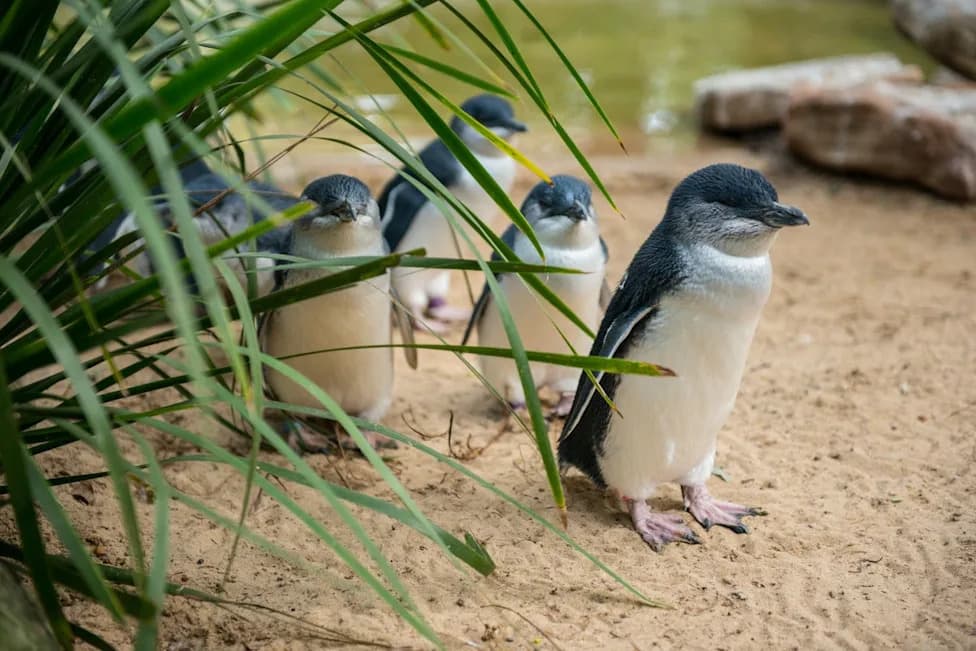
Volunteers who monitor the popular St Kilda breakwater in Melbourne warn that an outbreak of H5 bird flu could kill 20–40% of the roughly 1,400 little penguins that nest there if the virus reaches the colony.
Local Impact and Estimates
About 1,400 little penguins nest among the rocks of the St Kilda breakwater, where tourists and locals gather at dusk to watch the birds return from the sea. Little penguins are the world's smallest penguin species, standing around 30 cm tall, and most of Australia’s population resides in Victoria, which also hosts the larger Phillip Island colony.
"The estimates we're looking at is between 20 to 40 per cent of the population," Lana Austin, president of volunteer group Earthcare St Kilda, told 774 ABC Radio Melbourne. It remains unclear exactly how this H5 strain will affect penguins, so those figures are preliminary projections from wildlife carers and volunteers.
Recent Wild Bird Cases And Mass Mortality Events
Australia’s federal agriculture department reports 78 confirmed H5 cases in wild seabirds since the virus arrived earlier this year, seven of them in Victoria among crested terns found at Portland and Nelson on the state’s south-west coast.
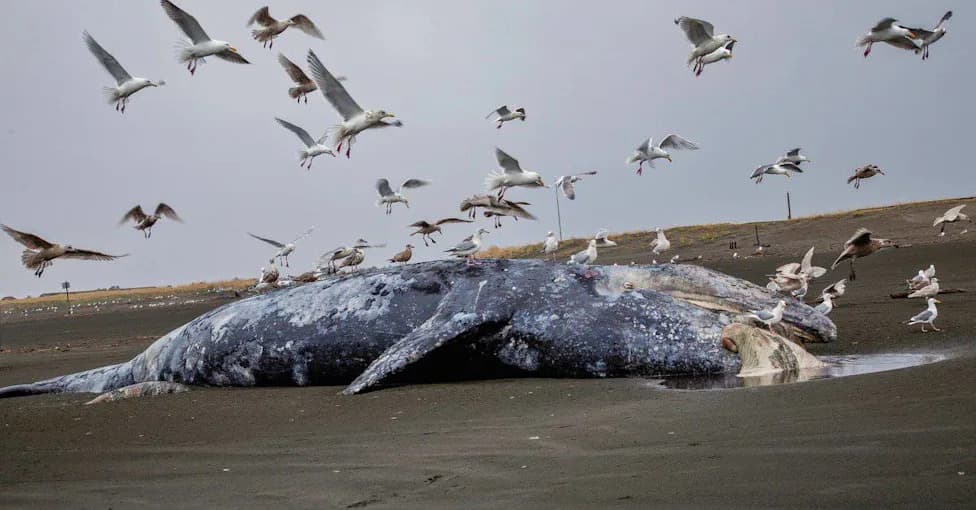
The country’s first confirmed mass wildlife mortality event was detected at Baudin Rocks, a small island off South Australia, where aerial surveillance located roughly 50 dead birds and about 30 sick ones. Samples from five greater crested terns and a silver gull tested positive at the CSIRO’s Centre for Disease Preparedness.
Victorian authorities later reported clusters of dead and sick crested terns in the Glenelg River estuary near Nelson and across Lawrence Rocks. The affected region supports breeding colonies of Australasian gannets, nearby seal colonies and an internationally important wetland.
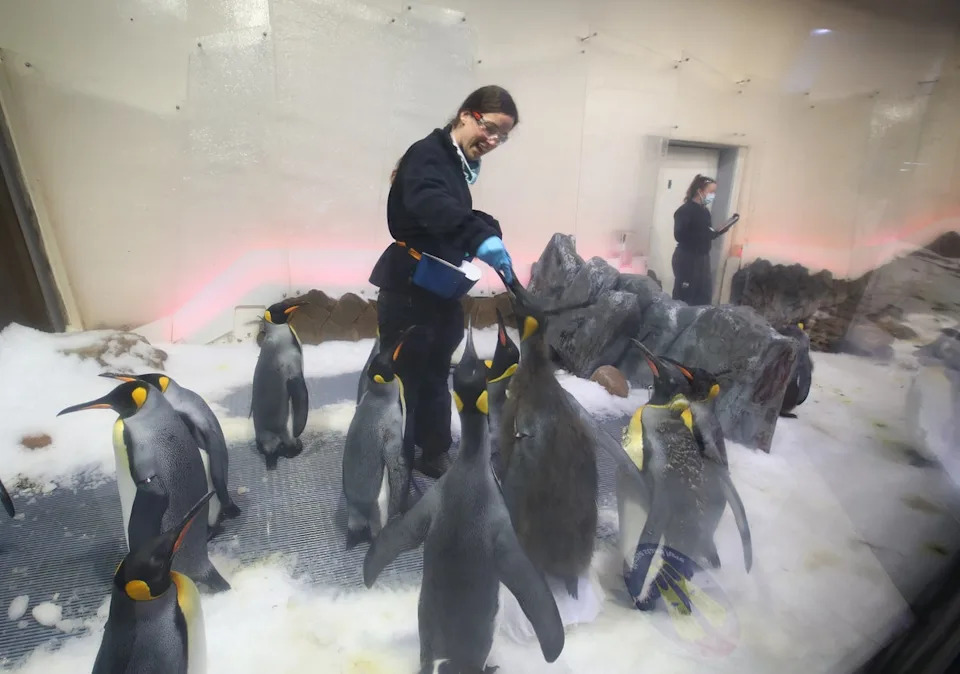
Penguin keepers feed the penguins in Melbourne (Getty)
"Last week we talked about individual detections, the first cases of the H5 bird flu in Victoria. We are now seeing a change as the disease spreads out and has further impacts," Victoria’s chief veterinary officer Graeme Cooke told reporters.
National And Global Context
The current H5 strain reached Australia after moving through Europe, the Americas, Africa, Asia and Antarctica since 2021. Earlier outbreaks in Britain in 2021–22 severely affected seabird colonies such as great skua and gannets, with thousands of dead birds washing ashore.
No H5 cases have been detected in Australian poultry so far, though some farmers have moved flocks indoors as a precaution. Globally, the virus is estimated to have killed about 140 million farmed birds.
Human Risk And Public Advice
Human infections remain uncommon and typically follow close contact with infected birds or their droppings. Lara Herrero, an associate professor in virology at Griffith University, told the Australian Associated Press that poultry workers and wildlife carers face the greatest exposure and that transmission is similar to human influenza — via respiratory droplets and contaminated fluids.
Environment Minister Murray Watt warned that further die-offs are likely and described the situation as "the beginning of what is likely to be a long, difficult journey" for wildlife.
Victorian authorities urge the public not to touch sick or dead birds and to report sightings to the state’s emergency animal disease hotline; community reports are assisting surveillance teams in mapping where the virus has reached.
Monitoring And Conservation Response
Volunteer groups, wildlife carers and government teams are increasing surveillance and preparedness around important breeding sites. Efforts focus on monitoring, testing, and strengthening the resilience of native populations rather than attempting to prevent all wild animal movement.
Help us improve.