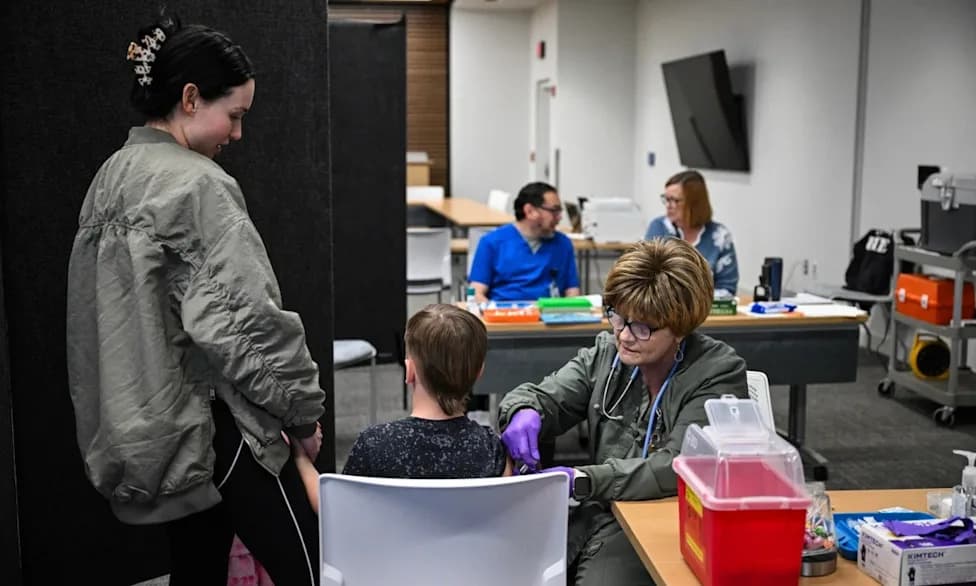
This opinion piece argues that continued partisan debate over COVID-19’s origins obscures an urgent public-health lesson: after vaccines became available, registered Republicans experienced higher excess death rates than Democrats. A July 24, 2023 JAMA Internal Medicine study of 538,159 adults in Florida and Ohio found a 25.8% excess death rate for Republicans versus 18.1% for Democrats — a 7.7-point gap linked to lower vaccination coverage. Ohio’s policy decisions and public messaging are presented as a case study of how leaders' choices affected outcomes. The author urges voters to weigh candidates’ public-health records and encourages vaccination to prevent further avoidable loss.
Stop Rehashing COVID's Origins — Learn From Its Death Toll and Political Costs
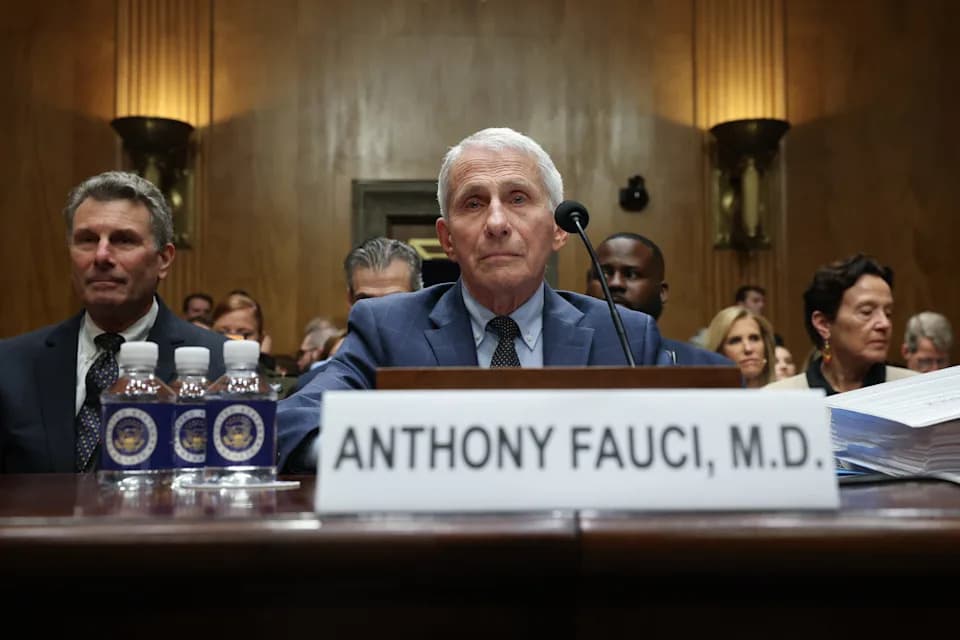
Former NIH Director Anthony Fauci testifies before the Senate Homeland Security and Governmental Affairs Committee hearing on July 29, 2026 in Washington, DC. Fauci was expected to be questioned about his diary entries during his handling of the Covid-19 pandemic.
Senator Rand Paul's effort to draw Dr. Anthony Fauci into a public debate about the virus's origins distracts from a more urgent lesson: after vaccines became available, excess deaths were higher among registered Republicans than Democrats in the Florida and Ohio data set, a disparity linked to lower vaccination coverage and political messaging.
Key Findings
A July 24, 2023 study in JAMA Internal Medicine analyzed death records for 538,159 adults aged 25 and older, matched with voter registrations and county vaccination rates. The researchers established a pre-pandemic baseline and compared excess deaths by party. Before vaccines were available, differences were small and not statistically significant. After vaccines arrived, Republicans had a 25.8% excess death rate versus 18.1% for Democrats — a 7.7-percentage-point gap.
What Likely Drove The Gap
The study found a correlation between lower county vaccination rates and higher excess death rates. The authors suggest that sustained anti-vaccine messaging from some political figures, media outlets and public personalities likely increased certain communities' vulnerability to severe COVID-19, contributing to preventable deaths.
Ohio As An Example
Ohio’s experience illustrates how policy and rhetoric can affect outcomes. Early in the pandemic, Dr. Amy Acton provided clear, evidence-based public-health guidance — wash your hands, wear a mask, avoid crowds. Later, the state legislature's decision to limit public-health orders to 14 days reduced officials' ability to respond to a prolonged emergency; Acton resigned in June 2020, saying the restriction conflicted with her duty to do no harm.

Linda Baas
At the same time, prominent public figures who downplayed vaccines or publicly expressed skepticism reinforced hesitancy. Those statements, combined with policy choices that weakened sustained public-health responses, likely contributed to preventable illness and loss in Ohio and beyond.
Policy Choices Matter
Health policy decisions — from Medicaid eligibility to vaccine outreach — have direct consequences for families. The piece contrasts candidates' approaches to public health and access to care, arguing voters should weigh those records when choosing leaders.
Conclusion
How COVID-19 began matters, but how communities and leaders responded mattered more for the lives lost after vaccines became available. The human cost of misinformation is measured not only in statistics but in birthdays missed and families changed forever. If this account persuades even one reader to accept vaccination, it could spare another family the grief of an empty chair.
Linda Baas lives in Harrison, Ohio, and is a retired nurse educator, researcher and practitioner who spent her career in Cincinnati. This column originally appeared in the Cincinnati Enquirer.
Help us improve.