Families and tribal advocates in Arizona are seeking accountability after alleged fraud and abuse at sober‑living homes that reportedly targeted Native Americans. Survivors and relatives describe white vans transporting people to locked facilities where they say residents were drugged, sexually assaulted and billed to Medicaid. Attorneys represent roughly 7,000 clients and estimate potential fraud around $3 billion, while state officials say they helped uncover the scheme. Investigations and calls for criminal charges and reform are ongoing.
‘White Van’ Allegations: Families Demand Justice After Sober‑Living Fraud Targeting Native Americans in Arizona
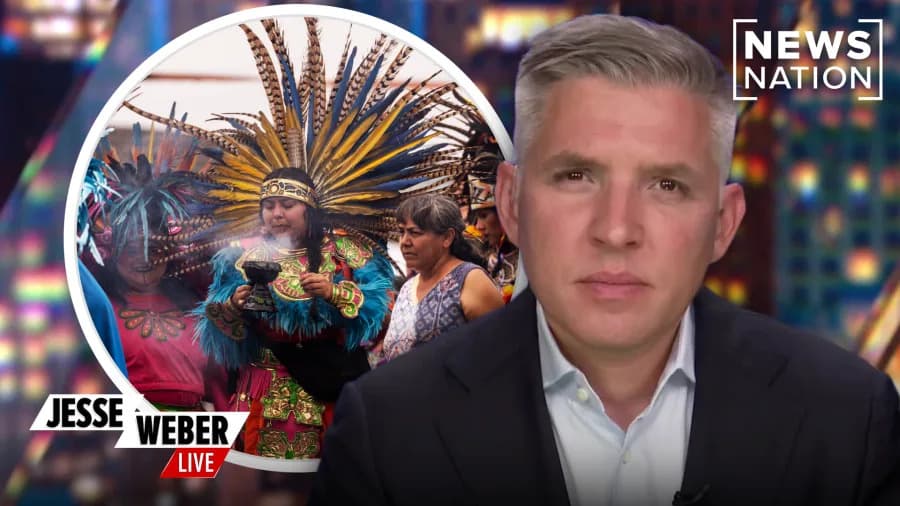
Families call for accountability in Arizona sober living fraud
Editor's note: This story contains descriptions of sexual assault and other traumatic events and may be disturbing. If you or someone you know has been sexually assaulted, help and discreet resources are available from the National Sexual Assault Hotline at 1-800-656-4673.
Families, tribal advocates and attorneys are calling for accountability as investigations continue into alleged fraudulent sober‑living operations in Arizona that reportedly targeted Native American people. Relatives and survivors describe white vans picking up people from reservations, locked facilities, forced drug use, sexual assault and suspicious deaths — while providers continued to bill Medicaid.
What Advocates Allege
Navajo advocate Reva Stewart began investigating after a cousin disappeared and she observed repeated activity by white vans collecting Native Americans around Phoenix and on reservations. Stewart and other witnesses say the vans often operated near the Phoenix Indian Medical Center and delivered people to sober homes that promised treatment but, they allege, provided abusive conditions instead.
"To keep you there. Keep you in the house. They want you to stay addicted because then you will think I get to stay for free and you get to just be there," Stewart told NewsNation.
Family members describe homes with locked doors and, in some cases, barbed wire. They allege operators gave residents drugs or alcohol to maintain dependence and prolong stays so the facilities could keep billing Medicaid through a state program sometimes referred to as "Access." Stewart has said many of the operators she identified were immigrants from countries including Nigeria, Somalia and Rwanda; those claims are part of ongoing investigations and have not been adjudicated in court.
Personal Stories
Relatives provided multiple accounts of harm. Angel Cruz said her daughter MacKenzie — taken from the Hopi reservation to a Phoenix sober house for help — told friends she was being given drugs and assaulted. Cruz says MacKenzie later died under circumstances family members say remain unclear.
Shayla Honyumptewa recounted that her sister Randy overdosed inside a sober home and now lives in a vegetative state after prolonged hospitalization. Raquel Moody said she cycled through 11 sober homes and believes operators profited from her stays while providing no legitimate care.
Stewart says her investigation has brought threats: tires slashed and a late‑night incident she believes was an attempted abduction. She says she now carries firearms for protection.
Scope, Legal Claims And Alleged Profits
Attorneys John Brewer and Dane Wood said they represent roughly 7,000 clients in related cases and estimate the alleged fraud could total about $3 billion. Family members and counsel contend facilities targeted Native American patients because Medicaid reimbursements can be lucrative — family accounts cite figures as high as $8,000 per person per day in some billing scenarios.
Wood told NewsNation that, according to survivors' accounts, providers sometimes "fed them alcohol and drugs to keep them under control" and that state officials had been aware of concerns dating back to 2019. Prosecutors and federal investigators have been probing aspects of the scheme; however, family members say criminal charges for rapes, kidnappings and deaths are still limited.
State Response And Ongoing Investigations
The Arizona Health Care Cost Containment System (AHCCCS) issued a statement saying it recognizes the harm caused by behavioral health fraud and that employees played a role in uncovering and addressing the scheme. Investigations into criminal and civil liability involve multiple agencies and remain ongoing.
Relatives point to a county cemetery outside Phoenix where many graves are marked only by PVC pipes or bricks. Stewart said people removed from homes without identification sometimes die anonymously and are buried as John or Jane Does — an outcome she described as especially painful for Native families.
Calls For Accountability
Families, tribal leaders and attorneys are demanding criminal charges where appropriate, fuller state and federal investigations, and systemic reforms to prevent vulnerable people from being exploited by purported treatment providers. Survivors and relatives continue to press for answers, records and justice for kidnappings, assaults, overdoses and deaths they tie to the accused operations.
Note: Allegations reported here reflect accounts from survivors, relatives and advocates and are the subject of ongoing investigations. Some claims — including nationality of accused operators and precise billing practices — remain under review by law enforcement and have not been proven in court.
Help us improve.