Professor David Olusoga says he was advised by "privileged white middle-class people" to refuse his 2019 OBE because he is Black, but he decided to accept it, calling refusal "a snub." He told Radio Times that as an immigrant who was naturalised later in life, declining the honour would have felt disrespectful to a country that supported his education and development. Olusoga, author of Black and British: A Forgotten History, has presented the BBC series Empire, appeared in the Sussexes' Netflix documentary, and is a BAFTA-winning filmmaker and professor of public history.
David Olusoga: Rejecting My OBE Would Have Been 'A Snub' — Why He Accepted the Honour
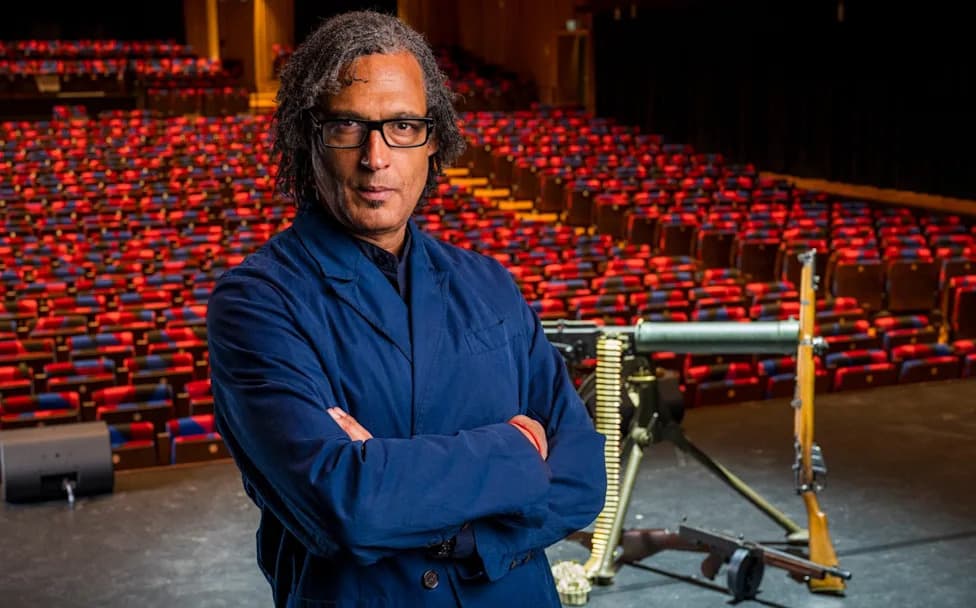
David Olusoga paid tribute to Britain for 'investing in me' after his arrival from Nigeria as a child - Andrew Crowley
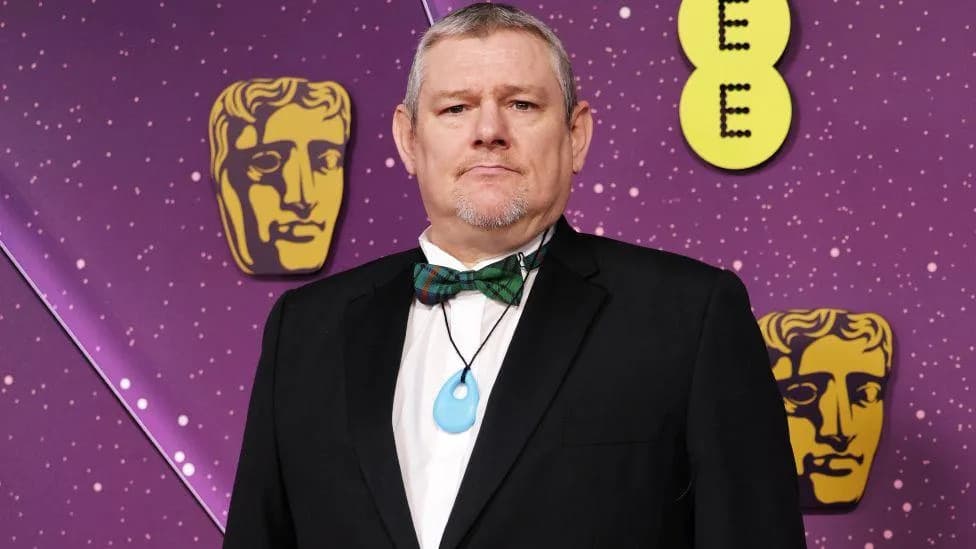
Professor David Olusoga, 56, says he was advised by what he described as "privileged white middle-class people" to refuse his Officer of the Order of the British Empire (OBE) because he is Black — but he rejected that advice, calling refusal "a snub." The historian and broadcaster, known for his work on the history and legacies of empire, explained his decision in an interview with Radio Times.
Why He Accepted
Olusoga, who was named an OBE on the late Queen Elizabeth II's 2019 New Year Honours list and formally presented with the award by King Charles in 2023, said turning the honour down would have sent the wrong message about his relationship with the country. "Turning an honour down would be a snub. And I don't want to snub a country that I became a citizen of, and which is my nation," he told Radio Times.
“I'm often told by privileged white middle-class people that it's a terrible thing for a black person to accept an OBE, and I think they underestimate what it means.”
He added that the implications of declining a national honour differ depending on whether a person is an immigrant or was born in the country. Olusoga said his own background — arriving from Nigeria as a child, later becoming a naturalised British citizen, and benefiting from public services — shaped his decision to accept the award.
Personal Journey
Olusoga recalled how support from family and public institutions helped his career: "My mother was British, but nationality is patrilineal. When I was first in this country, I was Nigerian. I was naturalised British later in life. We had social housing. I went to Liverpool University. The local education authority, for all its faults, gave me help when it diagnosed my dyslexia."
He described arriving in Britain "as a little boy from Nigeria" and said the country, together with his mother's support, invested in him — a reason he did not wish to rebuff his adopted nation by declining an honour.
Professional Work and Public Profile
Olusoga is the author of Black and British: A Forgotten History and has presented the three-part BBC series Empire, which examined the history and legacy of the British Empire. He also appeared in episodes two and three of the Duke and Duchess of Sussex's Netflix documentary, speaking about the optimism some Britons of colour felt around Meghan Markle's arrival in the Royal Family.
The award-winning historian fronts the BBC's A House Through Time, is a BAFTA-winning filmmaker and serves as Professor of Public History at the University of Manchester. Reflecting on his media career, he said his lack of familiarity with television helped him try to break into an often elitist industry: "If I had known how elitist television was, I don't think I would have attempted to break into it. It was my lack of worldliness that made me think that I had a chance."
Olusoga's comments contribute to an ongoing public debate about the meaning of state honours, the legacy of empire, and how individuals from diverse backgrounds negotiate recognition and national identity.
Help us improve.