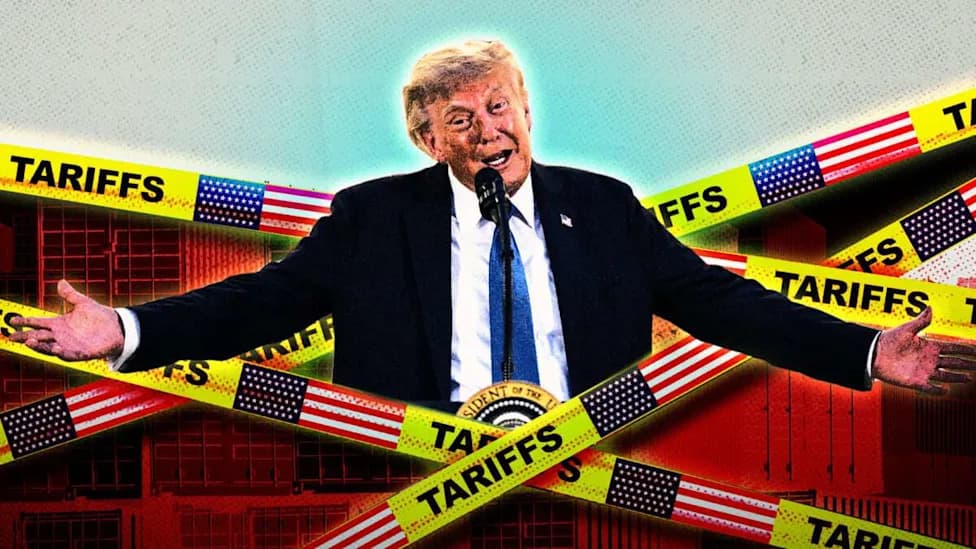
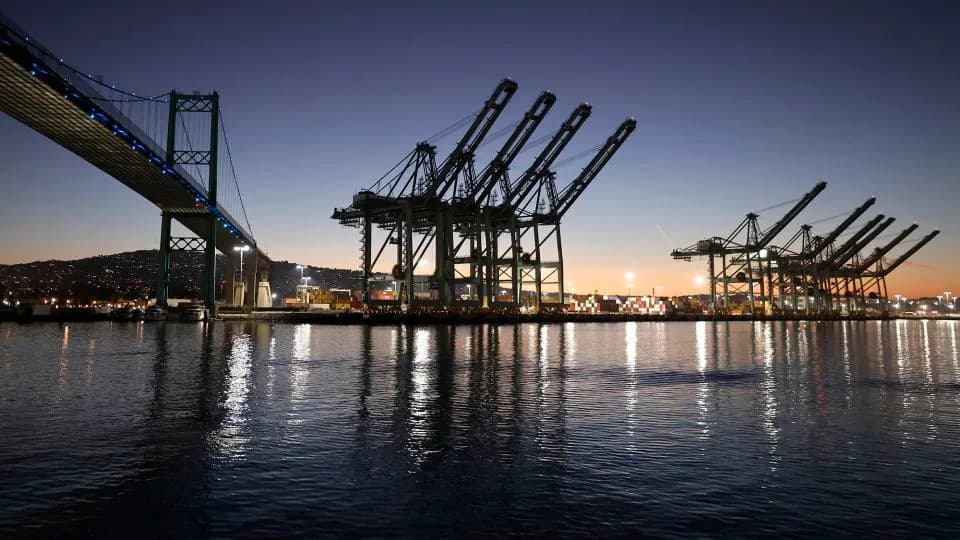
Twenty-five mostly Democratic-led states sued the Trump administration in the U.S. Court of International Trade, challenging Section 301 tariffs that impose 10–12.5% duties on imports from about 60 countries accused of using forced labor. The plaintiffs say the duties, effective July 24, exceed the executive's authority and are 'capricious and contrary to law.' They seek a judicial stay, a declaratory ruling that the tariffs are unlawful, and refunds for duties already collected. The filing follows recent court victories that struck down other Trump-era tariff measures and prompted massive refunds.
25 States Sue Trump Over Section 301 Tariffs, Calling Duties 'Unlawful' and Costly
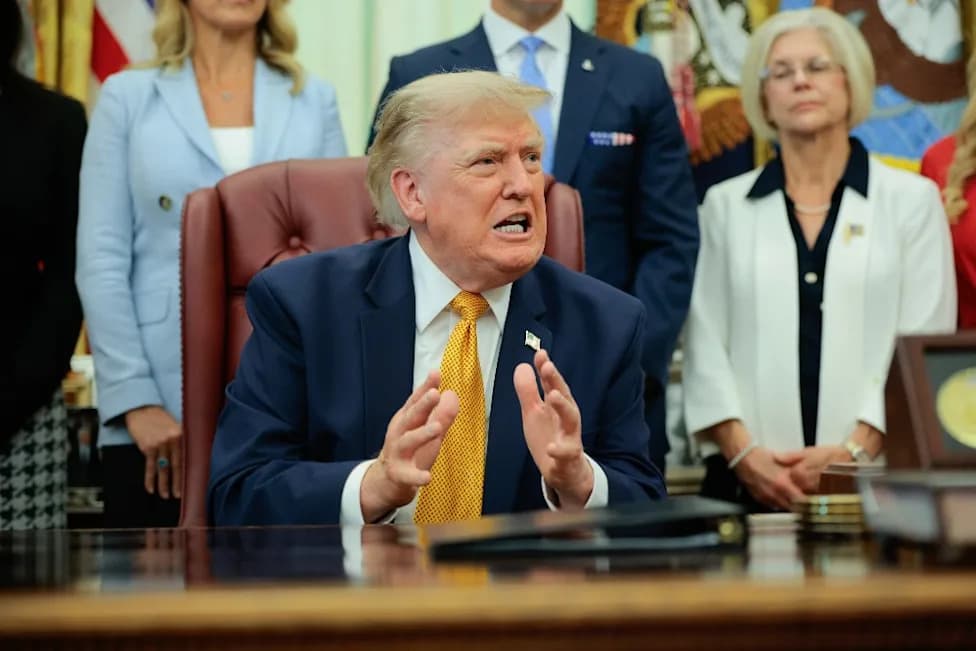
25 States Sue Trump Over Section 301 Duties
Twenty-five largely Democratic-led states have filed suit in the U.S. Court of International Trade challenging the Trump administration's recent use of Section 301 of the Trade Act of 1974 to impose broad tariffs on dozens of trading partners.
What the Lawsuit Says
The coalition — including Oregon, Arizona, California, Colorado, Connecticut, Delaware, Hawaii, Illinois, Maine, Massachusetts, Maryland, Michigan, Minnesota, Nevada, New Jersey, New Mexico, New York, North Carolina, Rhode Island, Kentucky, Pennsylvania, Vermont, Virginia, Washington and Wisconsin — named President Donald Trump, United States Trade Representative Ambassador Jamieson Greer, and U.S. Customs and Border Protection Commissioner Rodney S. Scott as defendants.
In their complaint, the state attorneys general and two governors argue that the President has 'unilaterally imposed tariffs without legal authority to do so' for more than a year and a half. They contend the Section 301 action — imposing 10–12.5% duties on imports from roughly 60 countries alleged to be tied to forced labor — is 'capricious and contrary to law' and that allegations of forced labor are being used as a pretext to continue an unlawful tariff scheme.
Timing, Context and Legal History
The states emphasize that the Section 301 duties took effect on July 24 — the same day a separate set of 10% tariffs enacted under Section 122 of the same 1974 statute expired — a timing they say highlights the administration's intent to maintain punitive trade measures under any legal cover.
The lawsuit follows a string of legal defeats for prior tariff efforts. In February, the Supreme Court struck down the administration's so-called reciprocal duties enacted under the International Emergency Economic Powers Act (IEEPA), prompting a federally supervised process to refund about $166 billion in collected duties. In May, the Court of International Trade ruled Section 122 duties unlawful, though the administration obtained a stay permitting continued collection while it appeals.
What the States Ask the Court To Do
- Declare the Section 301 duties unlawful;
- Issue a stay preventing the duties from taking effect while judicial review proceeds;
- Order refunds to the plaintiff states and affected parties for tariffs already collected.
'This is President Trump's third attempt to illegally impose tariffs that would make life more expensive for American families and small businesses,' said California Attorney General Rob Bonta, who previously sued over IEEPA duties. 'Tariffs are taxes, and the American people cannot and should not shoulder the extra costs that come from the President's failed and illegal economic policy.'
'Arizonans have paid the price,' said Arizona Attorney General Kris Mayes, noting higher grocery bills, increased costs for small businesses, and broad disruption across the economy.
Implications
The case is the latest front in a broader legal and political fight over the scope of executive trade powers. If the states prevail, the ruling could limit the administration's ability to impose tariffs under Section 301 and could lead to refunds for affected importers and state entities. Even if the government prevails on appeal or retains stays, the litigation highlights significant legal and economic risks tied to sweeping, unilateral tariff actions.
Help us improve.