The Trump administration is allocating millions in U.S. taxpayer funds to right-leaning groups in Europe. The State Department has an open grant program offering $1 million–$3 million awards from a $4.9 million pool and is reportedly considering targeted grants including $7 million to 878, $5 million to Free Speech Union International, and $3 million to the Jobs Foundation. Critics say the spending conflicts with Mr. Trump’s stated goal of ending wasteful foreign aid and raises questions about U.S. soft-power priorities.
Why Is the U.S. Funding MAGA-Aligned Groups in Europe?
CNP / AdMedia/SIPA/Newscom
President Donald Trump has repeatedly accused foreign actors—especially China—of trying to influence American politics. At the same time, his administration is directing millions in U.S. taxpayer dollars to organizations in Europe that align with MAGA views, raising new questions about the scope and purpose of U.S. public diplomacy.
Open Grants: The State Department is inviting applications from MAGA-aligned groups in Europe for two or three open grants, each worth between $1 million and $3 million, drawn from a total pool of roughly $4.9 million. The grants are described as supporting research, conferences, cultural programs, and civil-society efforts focused on topics such as "mass migration," national sovereignty, and "lawfare," framed as part of defending "our common Western civilizational heritage." The agency is also seeking projects to "identify, analyze and respond to instances of lawfare and judicial activism that undermine democracy and national sovereignty."
Targeted Awards Under Consideration: In addition to the open competition, documents reviewed by The Guardian indicate the State Department is considering three specific awards to British organizations. Reportedly proposed allocations include:
- $7 million to 878, a newly formed group founded by former government special adviser Radomir Tylecote and former Conservative minister Jacob Rees-Mogg, which says it aims to "renew our Judeo-Christian culture and civilisational mission" and to work with "scholars in Israel and other closely allied nations."
- $5 million to Free Speech Union International, an offshoot of Britain’s Free Speech Union, to "promote free speech and oppose digital overregulation across Britain, Europe, and Australia." The Free Speech Union has stated it "takes no government money."
- $3 million to the Jobs Foundation for a project titled "Countering Overregulation to Advance American Investment." The Jobs Foundation, co-founded by former Vote Leave CEO Matthew Elliott, describes itself as a charity that aims to "champion the role of business as a force for good."
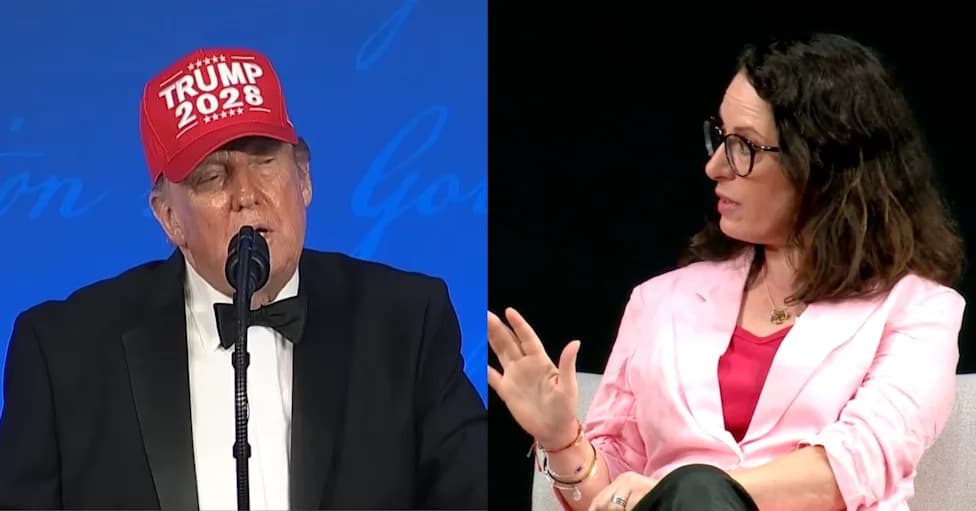
"FSU International expressed interest, but hasn't yet formally applied," Toby Young, founder and director of the Free Speech Union and a member of the House of Lords, told Reason. "If the US government wants to spend money to project America's soft power overseas, these are the kinds of groups—promoting free speech and free markets—it should be funding."
Political and Fiscal Tensions: These initiatives sit uneasily alongside President Trump’s frequent condemnations of foreign aid. On his first day back in office he criticized the foreign-aid bureaucracy as "not aligned with American interests" and issued orders that assistance be provided only when it is "fully aligned" with U.S. foreign policy. The administration has touted cuts to what it called "woke, weaponized, and wasteful" overseas spending—but the newly proposed funding for ideologically sympathetic foreign organizations appears to run counter to that message.
Broader Funding Context: Since June 5, more than 800 federal funding opportunities for international and domestic projects have been posted on grants.gov, totaling over $25.34 billion. Examples include $500 million for a U.S.-Africa Strategic Investment Program, $250,000 for a conference in Korea, and smaller-scale programs such as a 21-month initiative in Jordan to screen classic American sports films monthly for young people aimed at promoting "American excellence."
Why It Matters: Supporters argue these organizations strengthen institutions that defend free speech, sovereignty, and economic liberty in allied democracies. Critics counter that U.S. taxpayers should not bankroll politically aligned groups overseas—especially when the White House frames itself as curbing wasteful foreign spending and opposing foreign interference. The debate raises broader questions about how the U.S. defines "soft power," who decides which foreign organizations merit support, and whether ideological alignment should determine grant priorities.
Originally published on Reason.com.
Help us improve.