The Aliveness Project's outreach van "Thrivey" delivers supplies and free HIV testing across the Twin Cities, but its five-year federal grant was abruptly rerouted to state health departments. A temporary three-month extension of about $110,000 will sustain operations through September, after which many community programs risk cuts or closure. Public-health experts warn that losing community-based testing and prevention could increase HIV infections and undermine efforts to reach high-risk, hard-to-reach populations.
Running on Empty: Will Minnesota’s 'Thrivey' HIV Outreach Van Survive Federal Funding Cuts?
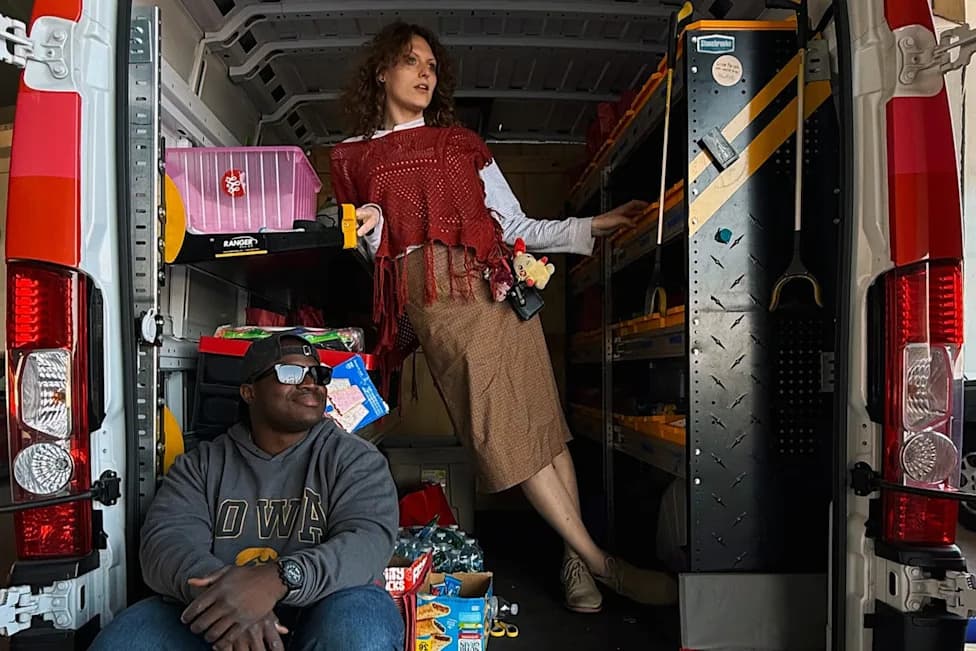
Workers and volunteers pose with the Aliveness Project's community outreach van, which serves the Twin Cities in Minnesota.(Saint Reign/Courtesy of The Aliveness Project)
The red outreach van known as "Thrivey" distributes food, water, clothing, first-aid supplies and free HIV tests across the Twin Cities. The vehicle visits St. Paul on Mondays, runs through south Minneapolis on Wednesdays and Thursdays, and serves north Minneapolis on Fridays; Tuesdays are reserved for restocking.
All of Thrivey's services have been financed by a five-year federal grant that was abruptly redirected to state health departments this summer. The Aliveness Project, the Minneapolis nonprofit that operates the van, is one of dozens of community-based HIV prevention groups nationwide now facing a sudden funding cliff.
Funding Shift and Uncertainty
The Office of Management and Budget reportedly instructed the Centers for Disease Control and Prevention (CDC) to stop renewing many community grants and to channel funds through state health agencies instead. Many affected groups say they have received little or no official notice from the CDC about how the change will be implemented.
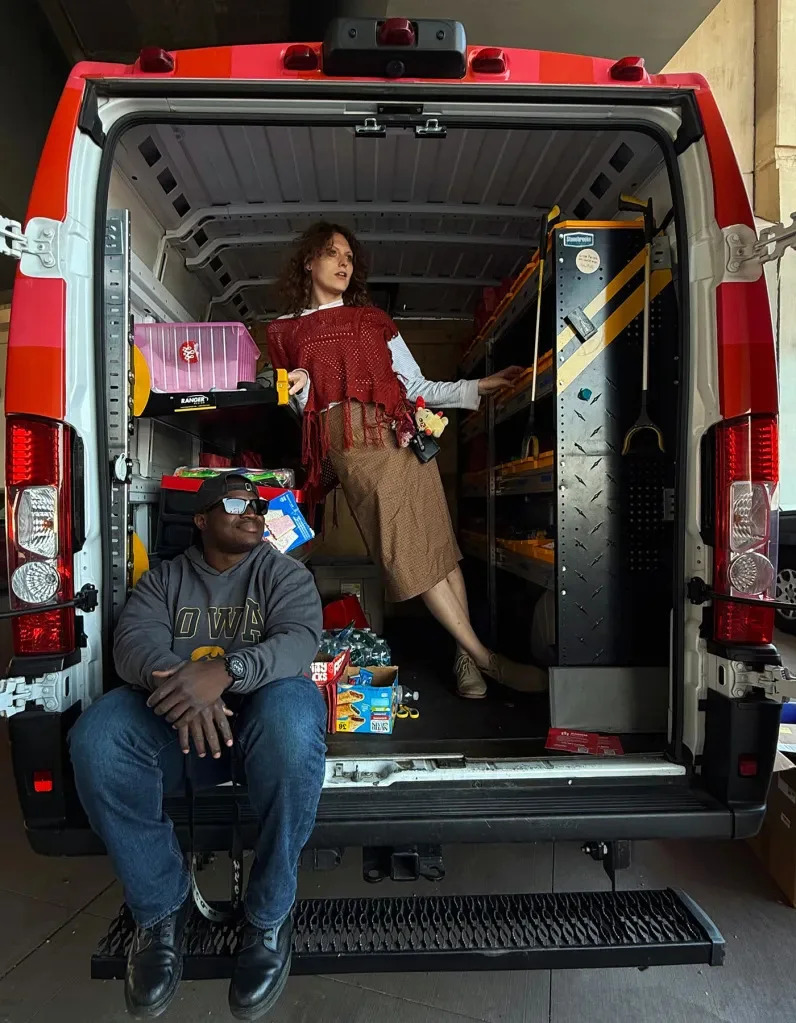
Workers and volunteers pose with the Aliveness Project's community outreach van, which serves the Twin Cities in Minnesota.
"They are going to fall through the cracks. That is the reality," said Joe Franco, associate director of prevention and clinic operations at the Aliveness Project. "There's actually been no official communication from the CDC."
The Aliveness Project received a temporary three-month extension worth just over $110,000 to maintain operations through the end of September. Absent a policy reversal, no further federal community grants will be issued after that date.
Why Community Outreach Matters
Public-health experts say community groups diagnose more HIV infections per test than typical health-care providers because they reach people who rarely access formal medical care. Without those outreach tests and connections to prevention tools such as PrEP, experts warn diagnoses and transmissions will likely rise.
"So if you pull out those tests, you're pulling out the most efficient tests, the tests that are going to diagnose the most people with HIV," said Dr. Todd Fojo, associate professor of medicine at Johns Hopkins. Modeling from his team suggests reducing CDC-funded testing by 25 to 75 percent could lead to a 2–7 percent increase in infections.
Scale Of The Cuts
Advocates estimate roughly 96 community organizations could lose CDC funding, and reporting has identified about $46 million in grants being redirected. Independent analysis by The 19th found 89 community organizations that received the same three-month extension as the Aliveness Project; 64 of those were mapped to avoid duplicating large-city listings.
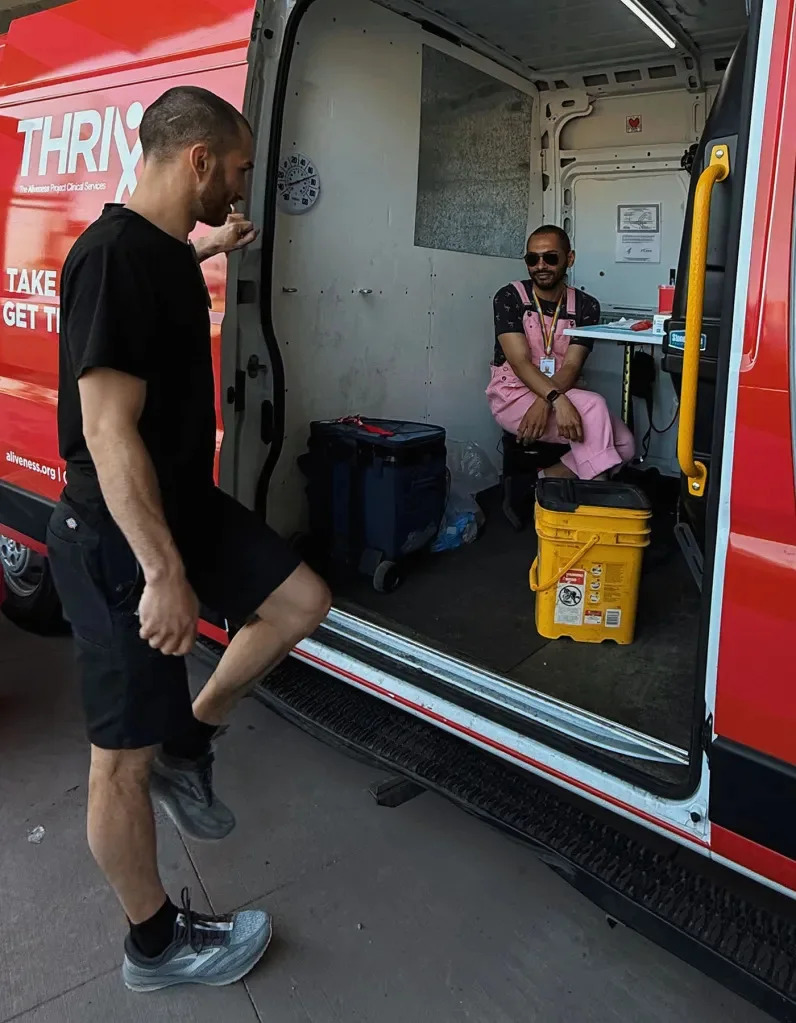
Workers and volunteers pose with the Aliveness Project's community outreach van, which serves the Twin Cities in Minnesota.
The CDC has said that streamlining funding through state health departments will preserve local decision-making and allow local data to guide strategies, and state agencies could subcontract community groups. But CDC employees told Government Executive that the change will create more overhead for states and reduce direct federal oversight.
Local Impact And What Comes Next
In Minnesota, the Aliveness Project plans to scale back services if funding ends: fewer support groups, fewer weekly events, and ultimately the loss of the outreach van that has provided thousands of tests and prevention connections over decades. Over the past five years, federal funds helped the organization administer more than 6,000 HIV tests and link thousands of HIV-negative Minnesotans to PrEP.
More than 100 members of Congress have asked the OMB for details about which organizations and locations will be affected. Advocacy groups are urging Congress to specify community funding in next year's appropriations—proposals include directing $60 million specifically to community-based prevention work.
For now, the Aliveness Project says it will continue current services until the September deadline. "It is going to impact us, but it is not going to stop our work," Franco said. The broader national debate over how best to allocate federal HIV-prevention dollars is likely to play out in the coming weeks and months.
Help us improve.