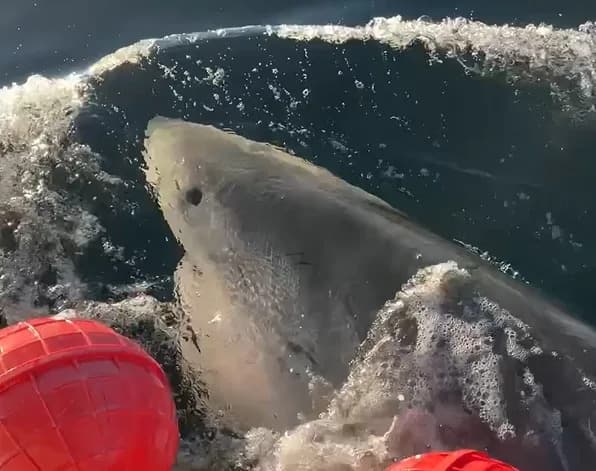
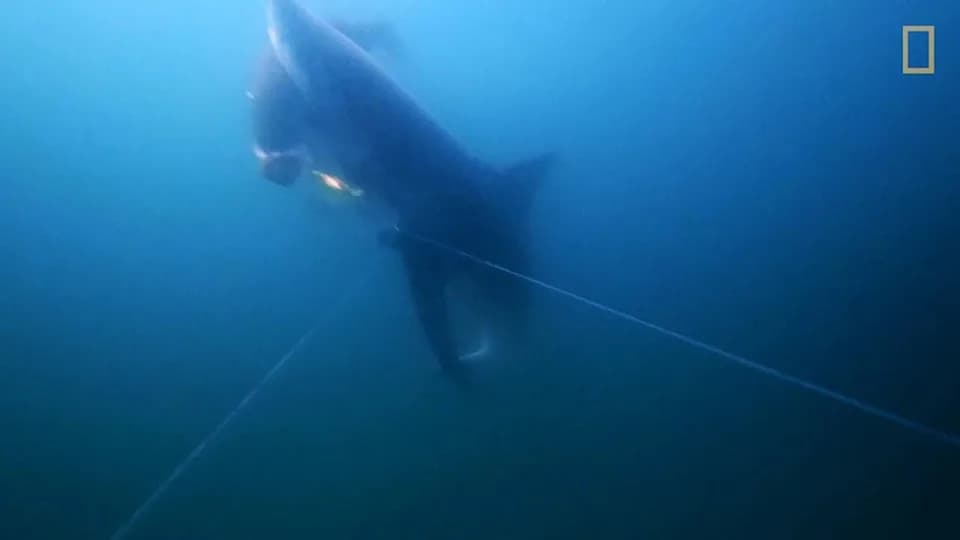
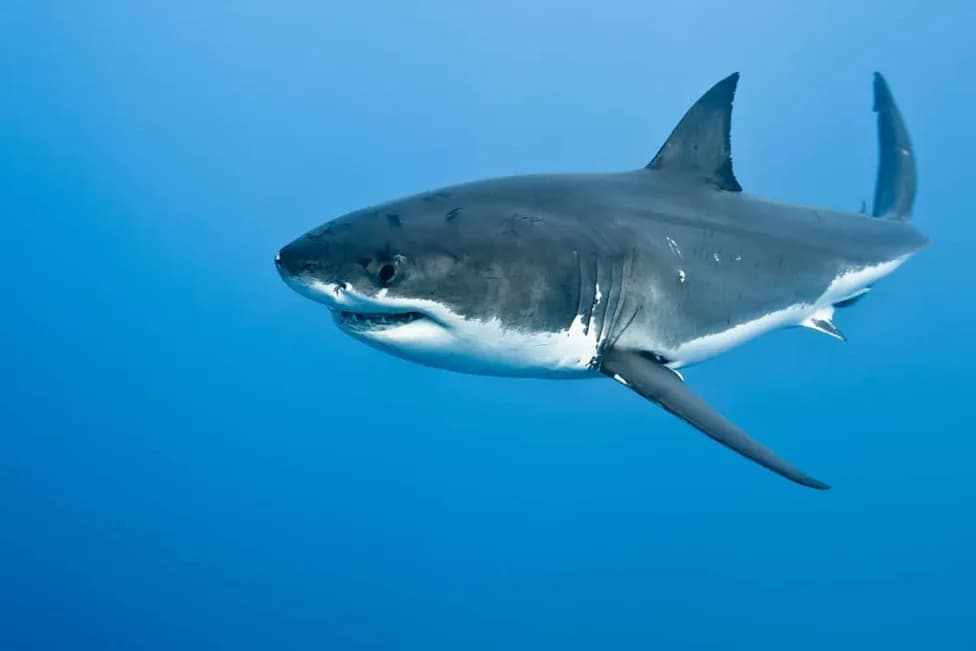
Scientists report that great white sharks from the Western North Atlantic are moving farther north into Atlantic Canadian waters, with tracking data showing at least two tagged sharks approaching northern Newfoundland. Researchers estimate roughly 2,000 sharks visit the region each summer for plentiful prey, including seals and schooling fish. Quint, a 9 ft male fitted with a satellite tag, and other tracked individuals suggest either a range expansion or improved detection due to better monitoring and population recovery.
Great White Sharks Are Pushing Further North Into Atlantic Canada as Populations Recover
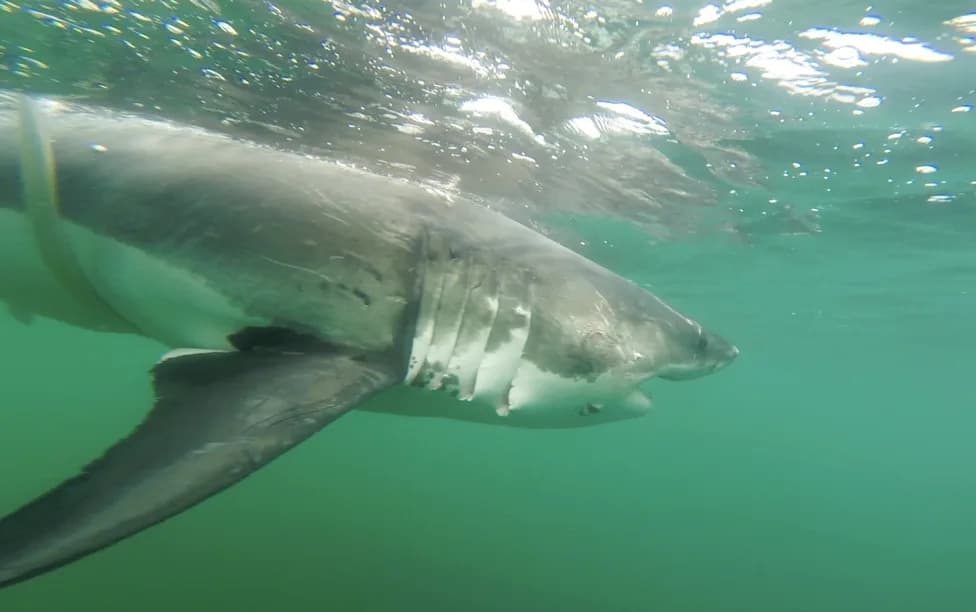
(OCEARCH via SWNS)
Scientists monitoring great white sharks say the animals are moving farther north than previously recorded, with tracking data showing at least two tagged individuals approaching the northern tip of Newfoundland. Researchers estimate roughly 2,000 great white sharks from the Western North Atlantic population migrate north each summer to forage in Atlantic Canadian waters.
OCEARCH data scientist John Tyminki highlighted unusual movements from a 9 ft male named Quint, who is fitted with a satellite tracker that transmits a location "ping" when his dorsal fin breaks the surface. Quint and another tagged shark, Cross, have been detected unusually far north in the northwest corner of Newfoundland, a location few tagged sharks have previously visited.
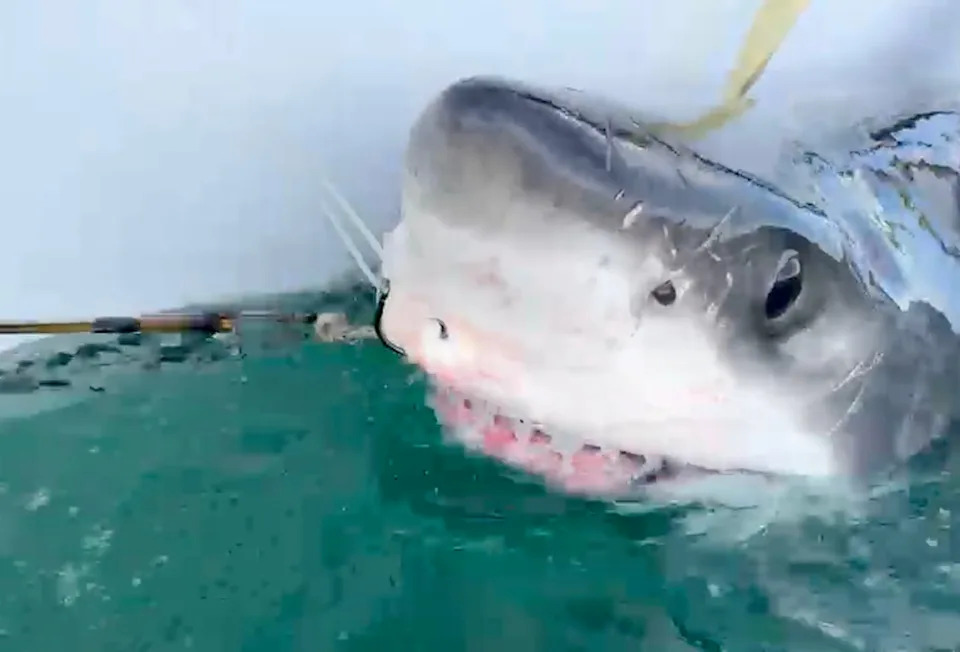
(OCEARCH via SWNS)
"One of the questions that we have is, are shark ranges expanding? Are they moving further north into Atlantic Canada than they have been before?" Tyminki said. "Is this a range expansion or is this normal and we are only starting to see it now?"
Tyminki noted that white shark numbers were greatly depleted from the 1970s through the 1990s and that recent protection efforts appear to have helped the population rebound. "We are seeing a positive return to abundance in great white shark numbers; we think their numbers are increasing and we are seeing more sharks near Canada this year," he said.
In the past week OCEARCH located sharks Webster, Nori, Bella, Quint and Ernst near shorelines off eastern Canada. Trackers attached to these animals transmit a ping whenever their dorsal fins are exposed above the water, which helps researchers follow seasonal movements. The season's first documented shark, Bella, measured about 10 ft and 729 lb and was recorded on June 29.
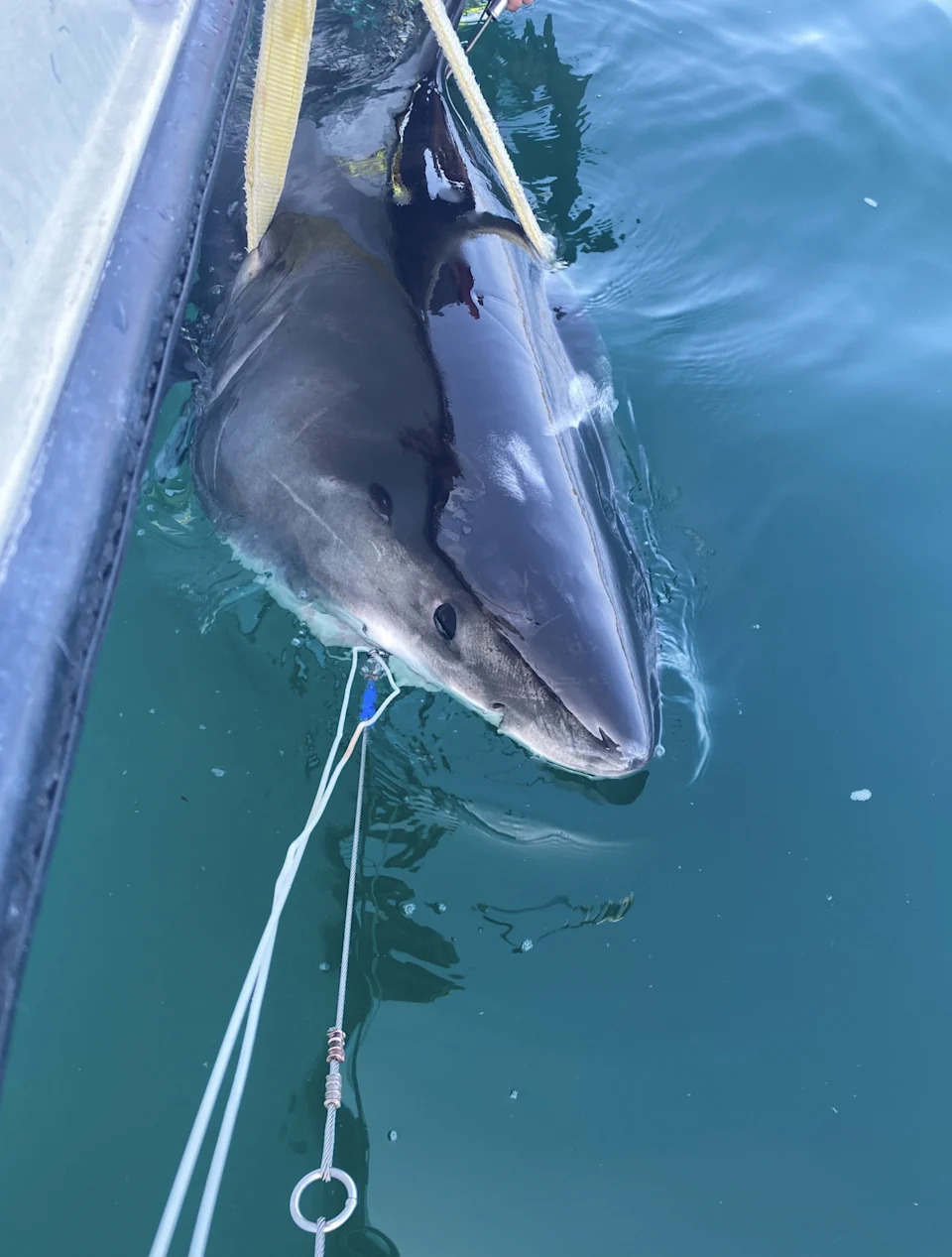
(OCEARCH via SWNS)
OCEARCH reported that Quint, a sub-adult male, has been moving north in the Strait of Belle Isle since July 26, sometimes as close as about 18 miles from the Great Northern Peninsula and Quebec. Quint was tagged last year at a reported weight of 587 lb and represents the 100th shark OCEARCH has tagged and released.
Why Sharks Are Heading North
Researchers attribute the northward presence to abundant prey—particularly seal colonies and schooling fish—combined with improved protections and sustainable habitats in Atlantic Canadian waters. Tyminki said the team is working to understand how males, females and juveniles use the region and its food resources during the summer foraging season.
Nearly all of the sharks pinging from Atlantic Canada were tagged last year by TIMFS in collaboration with OCEARCH. While scientists estimate that roughly 2,000 white sharks from the Western North Atlantic population use Atlantic Canadian waters each summer, Tyminki emphasized that no formal peer-reviewed abundance estimate currently exists for the region.
Researchers are balancing two possibilities: either this activity represents a genuine range expansion as populations recover, or improved tagging and tracking efforts are simply revealing seasonal movements that were previously under-detected. Continued monitoring and broader surveys will be needed to answer that question and to inform local conservation and public-safety planning.
Help us improve.