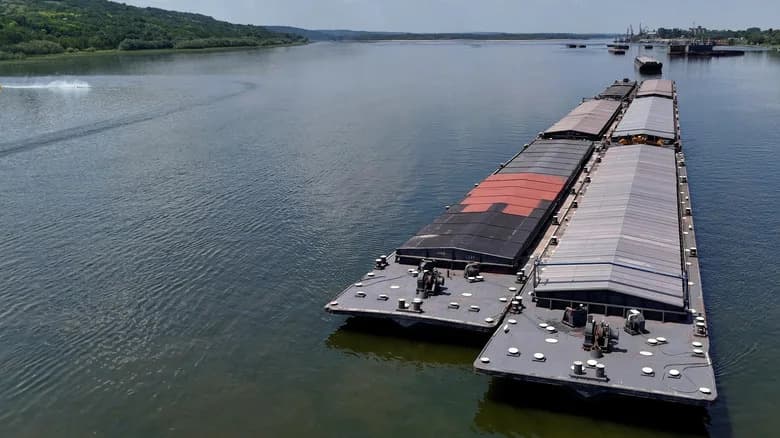
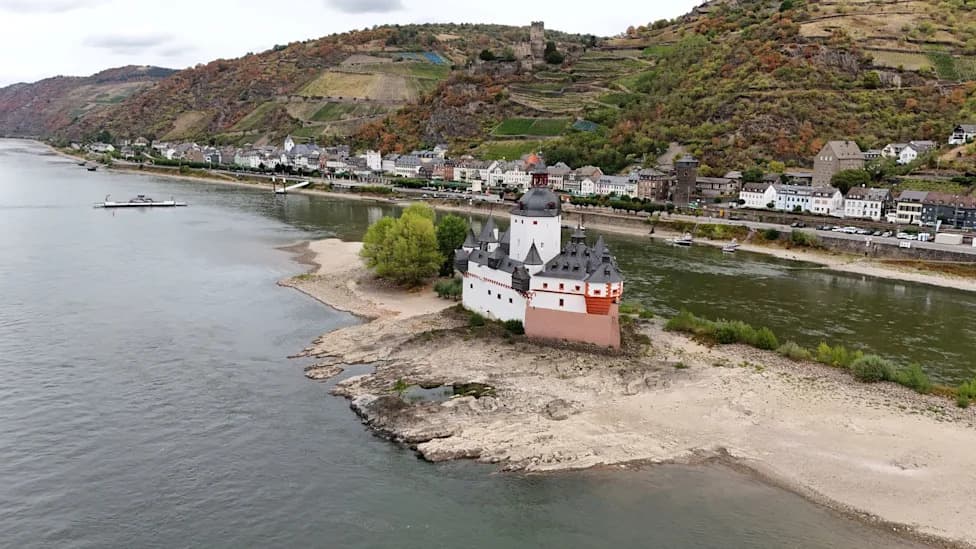
Europe's heat wave has driven the Danube to record lows, pushing Hungary’s Paks nuclear plant toward a potential shutdown that could affect nearly half the country’s electricity supply. Authorities in Romania have used controlled explosions to divert water to reactors, and other nations face heat-driven emergencies. Experts warn drought and extreme heat are increasingly jeopardizing water-dependent energy infrastructure across the continent.
Heat Wave Pushes Hungary’s Paks Nuclear Plant to the Brink as Danube Hits Record Lows — Europe Faces Energy Strain
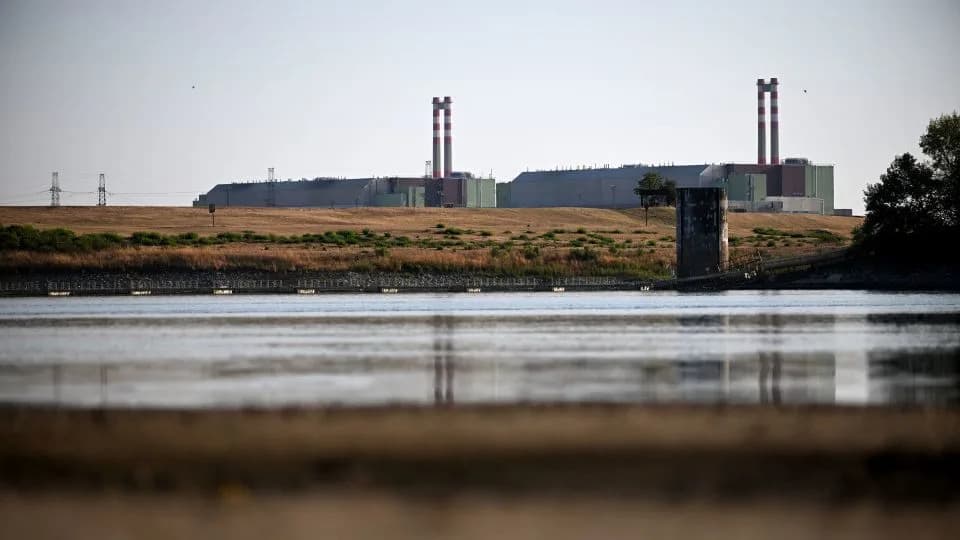
A general view of the Paks nuclear power plant in Paks, Hungary. - Balint Szentgallay/NurPhoto/Getty Images
Europe’s relentless summer heat wave — producing record temperatures, deadly wildfires and widespread drought — is now threatening the continent’s energy infrastructure. Hungary’s only nuclear power station, the Paks plant, has been pushed to the edge of a potential shutdown after sections of the Danube River fell to unprecedented low levels.
The Paks facility relies on Danube water to cool its reactor core and other critical systems that prevent overheating and accidents. The plant supplies nearly half of Hungary’s electricity, and even if operators shut it down, large volumes of water would still be required for post-shutdown cooling and safety systems.
“We are in uncharted territory,” Prime Minister Viktor Orbán said in a video address, warning that "the hardest five days are ahead of us" as river levels continued to fall. He later said short-term water-management forecasts had become "slightly" more optimistic, but stressed the coming days would be decisive.
Regional Impact And Emergency Measures
The crisis in Hungary mirrors strain elsewhere along the Danube. Romania has already taken emergency measures: two reactors at the Cernavodă plant were taken offline last month because of low river levels, and authorities carried out controlled detonations on the Bala canal to redirect flows toward the facility. The Romanian government declared a national state of emergency amid a drop in electricity production.

Hungarian Prime Minister Péter Magyar speaks during a press conference at the Paks nuclear power plant on July 31. - Bernadett Szabo/Reuters
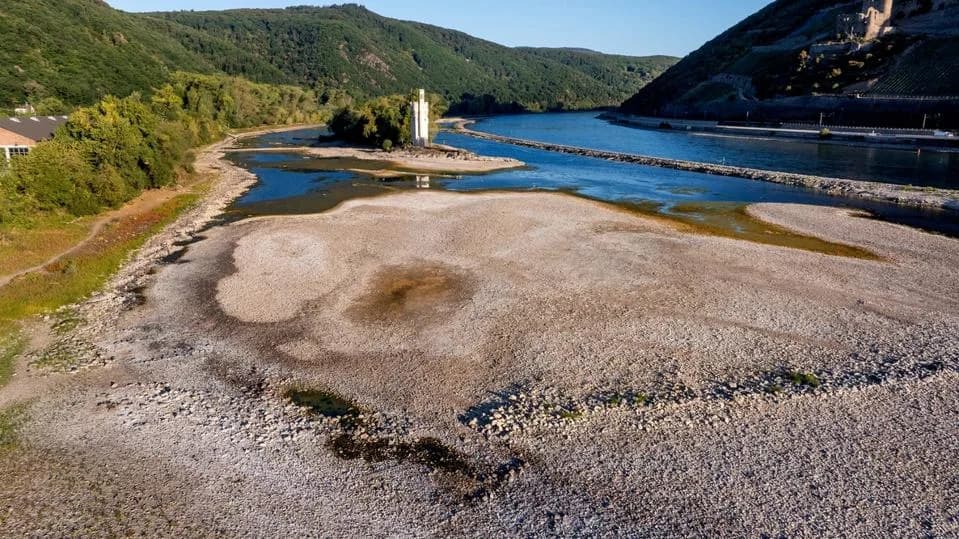
Parts of the Danube — which flows through ten countries — have shrunk to record lows. Meteorologists warn temperatures are likely to rise further over the coming days, with little meaningful rain expected to replenish river levels soon.
Wider Consequences Across Europe
Experts say this episode underscores how heat-driven drought can quickly threaten energy systems that depend on water. "Across Central and Eastern Europe, severe drought and heatwaves are demonstrating that water is as critical an energy commodity as gas or uranium," wrote Francesco Sassi, an energy-security specialist at the University of Oslo.
Beyond the Danube basin, the heat wave has prompted red alerts in parts of Italy, deadly firefighting accidents in Greece, and severe drought in the UK: more than half of England and the entirety of Wales are officially in drought, and early Met Office data indicated July was the driest month in 190 years for those nations. Rivers and lakes across Europe — from the Doubs and Lake Brenets on the Swiss‑French border to other basin systems — are at historically low levels.
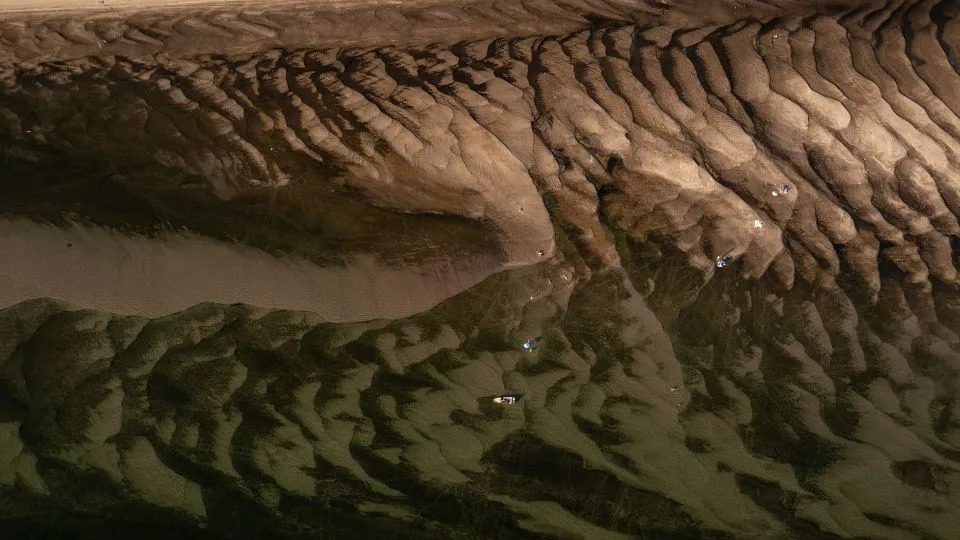
An aerial drone photo taken on Sunday shows the exposed riverbed of the Danube River in Hungary. - David Balogh/Xinhua/Getty Ima
What Comes Next
Hungary’s government has appealed for reduced energy use by households and businesses; officials say conservation so far has helped maintain supply. But the situation remains fragile: a shutdown of Paks would strain the national grid and could have ripple effects for regional electricity balancing.
International agencies, including the International Atomic Energy Agency (IAEA), were contacted for comment as authorities monitor water levels and adjust operations at affected plants.
Reporting contributions acknowledged from CNN correspondents. For updates, consult national authorities and international energy and nuclear safety organizations.
Help us improve.