Princess Isabella of Denmark reported for military service at Antvorskov Barracks on August 3, arriving alone and smiling. She is part of the first full cohort under Denmark's reformed conscription — roughly 1,600 recruits across 14 bases — as basic training expands from four to eleven months. Isabella has waived the conscription pay and subsistence (about $29,400), meaning her training costs will be covered by the royal budget. Observers note her choice of the Guard Hussar Regiment signals an intention to complete mandatory service rather than pursue a military career.
Princess Isabella Begins 11-Month Military Service — Arrives Alone and Waives Conscription Pay
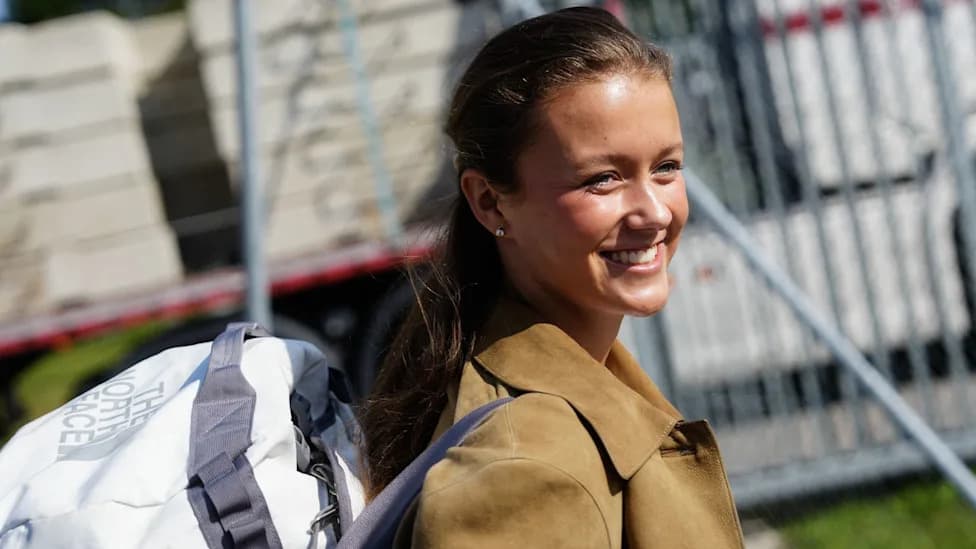
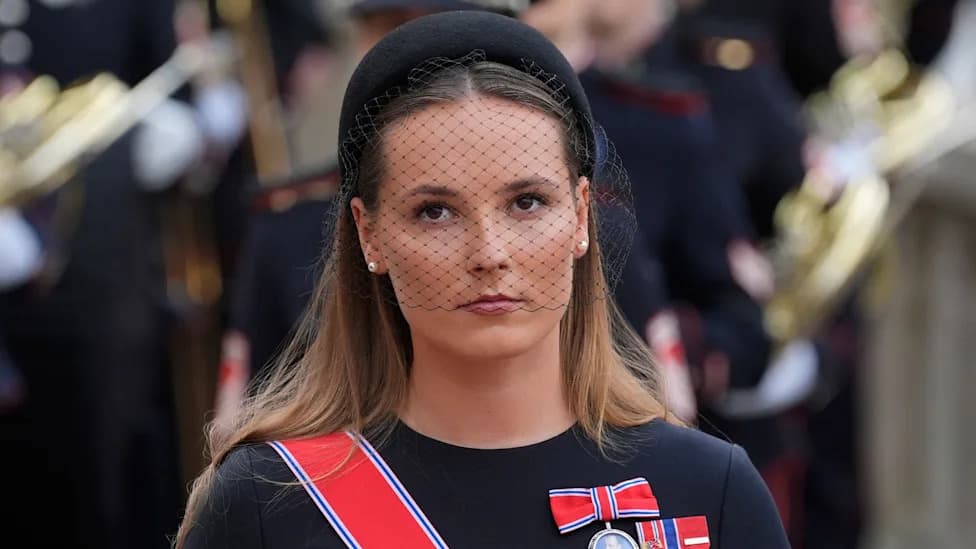
The Princess arrived on her own vehicle, ready to fulfill her role (Ritzau Scanpix/AFP via Getty Ima)
There was no ceremonial motorcade outside Antvorskov Barracks in Slagelse on the morning of August 3. Instead, Princess Isabella of Denmark arrived alone in a black Audi Q4, dressed casually and smiling before changing into uniform. The 19-year-old daughter of King Frederik and Queen Mary is among the first women to begin service under Denmark's reformed conscription.
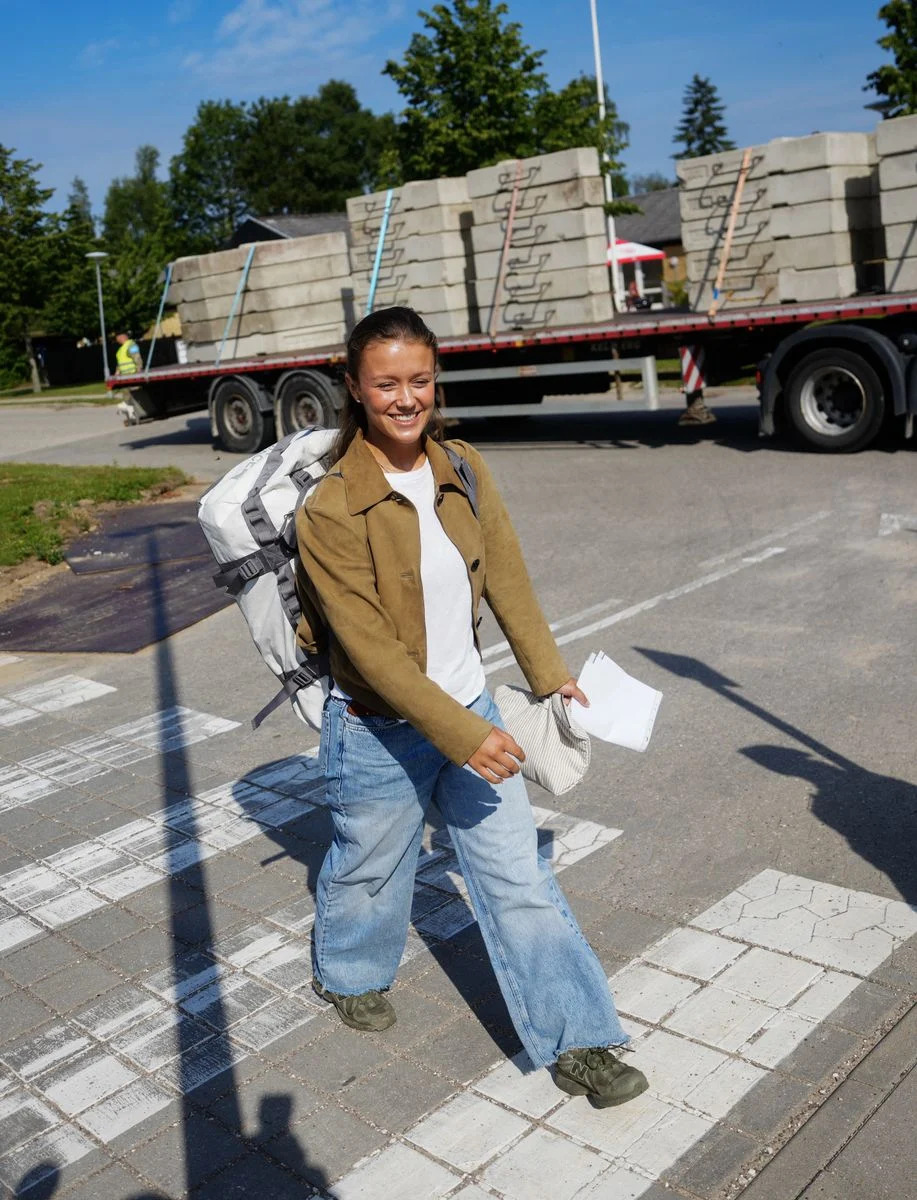
Princess Isabella of Denmark arrives for her first day at the Guard Hussar Regiment at Antvorskov Barracks in Slagelse, Denmark (Ritzau Scanpix/AFP via Getty Ima)
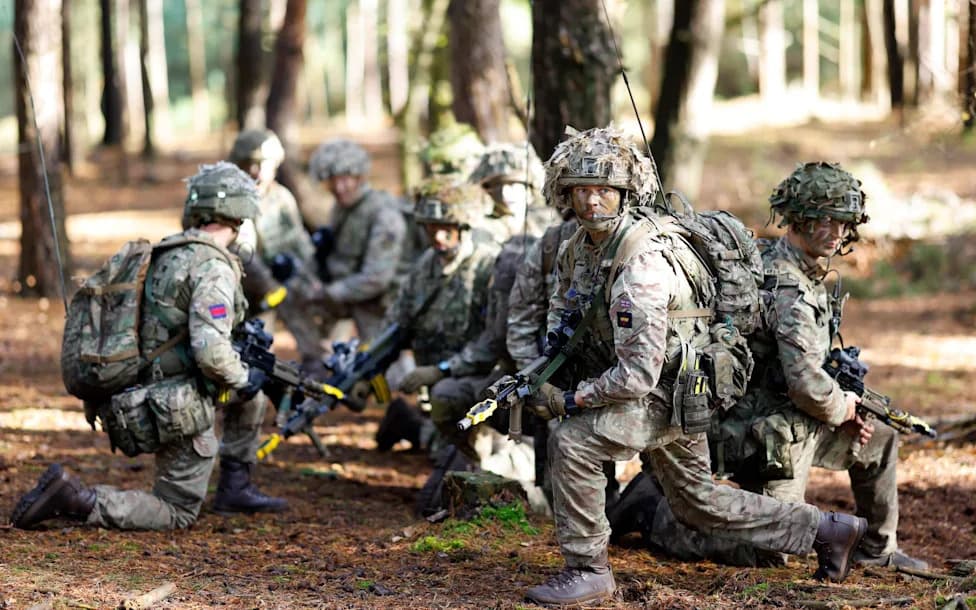
That same morning roughly 1,600 young Danes reported to 14 bases nationwide — the first full cohort after a reform that lengthens basic training from four months to eleven. A 2025 law now requires all women over 18 to register for military evaluation, and about one in five recruits this year is female.
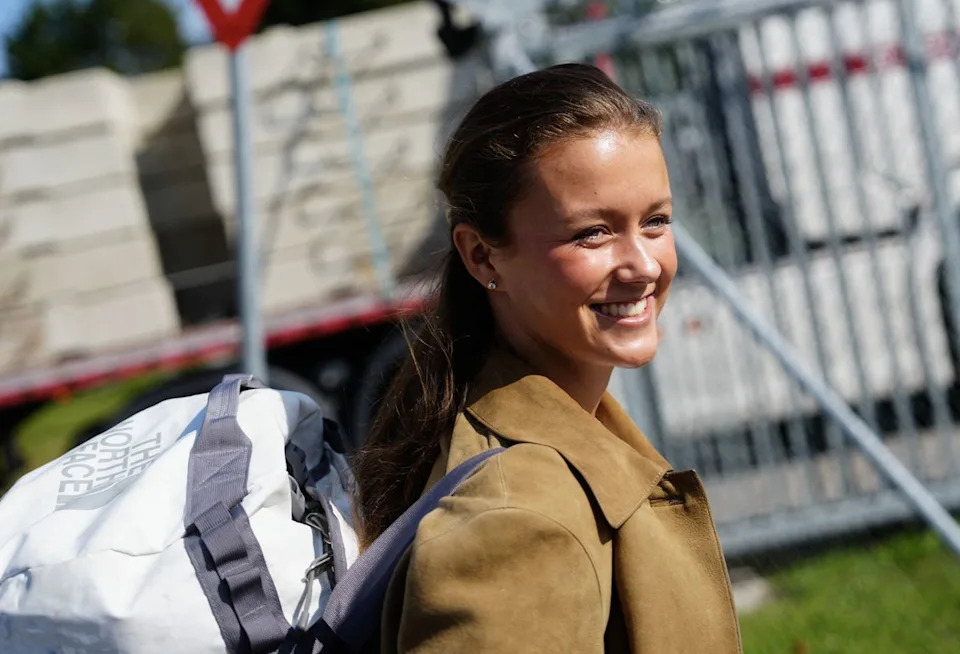
The Princess arrived on her own vehicle, ready to fulfill her role (Ritzau Scanpix/AFP via Getty Ima)
One detail set Isabella apart from her fellow recruits: the royal court confirmed she will forgo the pay and subsistence allowance linked to conscription — about $29,400 across the full eleven months. Her older brother, Crown Prince Christian, made the same choice when he served in the Guard Hussar Regiment.
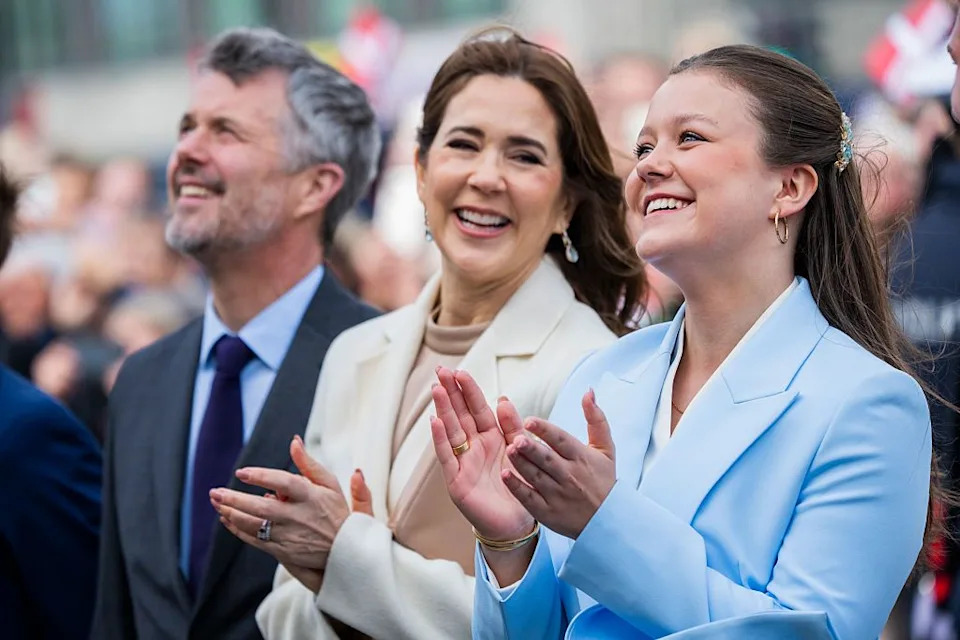
Princess Isabella of Denmark will complete her military service, with her costs covered by her parents (Getty Images)
Practical And Symbolic Consequences
Declining the conscription stipend has practical consequences: unlike her brother, Isabella has no independent institutional allowance and will therefore remain financially dependent on her parents while serving. The costs of her training will be covered within the monarchs' annual budget.
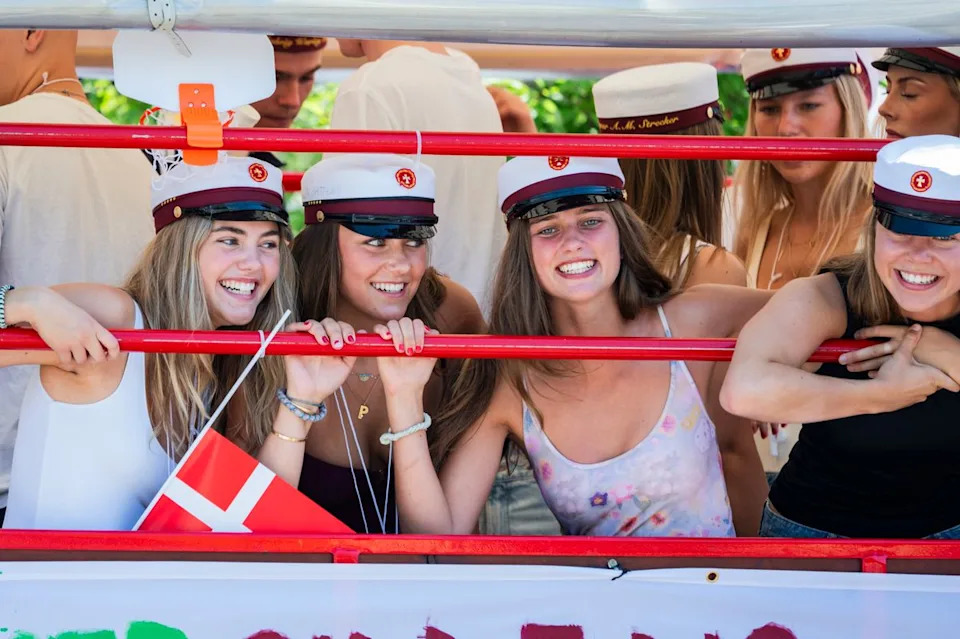
Princess Isabella recently graduated from high school (Martin Sylvest Andersen)
Her selection of the Guard Hussar Regiment also carries a symbolic message. By joining the same unit where her brother trained, Isabella appears to be signalling that military life is a chapter rather than a long-term career.
‘If Isabella had planned a military career, or aspired to become an officer, she would have chosen a different branch,’ says Sebastian Olden-Jørgensen, a historian and specialist on the Danish royal house.
The royal court has emphasised that Isabella will train under the same operational conditions as any other recruit; the only difference is that she will not receive conscription pay. In 2025 she visited Antvorskov to see Crown Prince Christian during his training — a quiet symmetry to her arrival this August.
What Comes Next
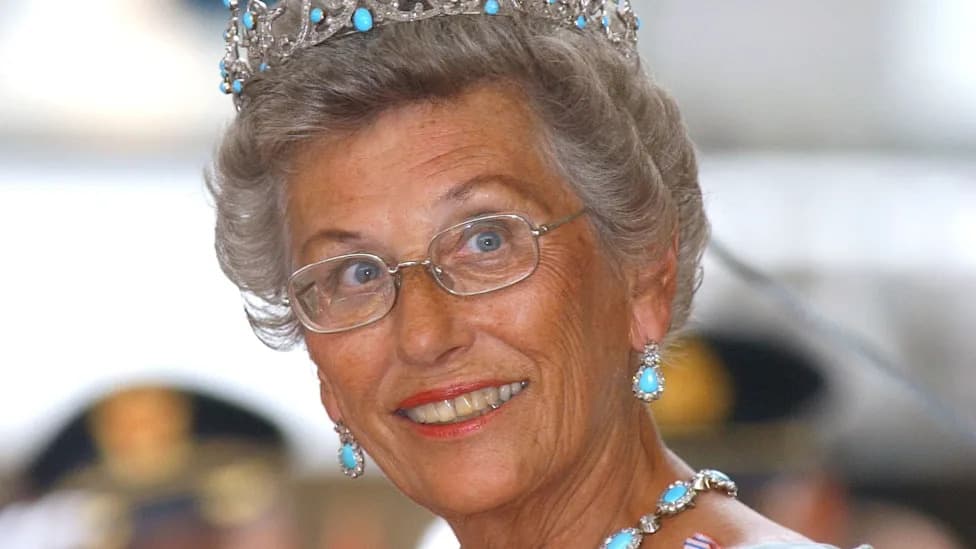
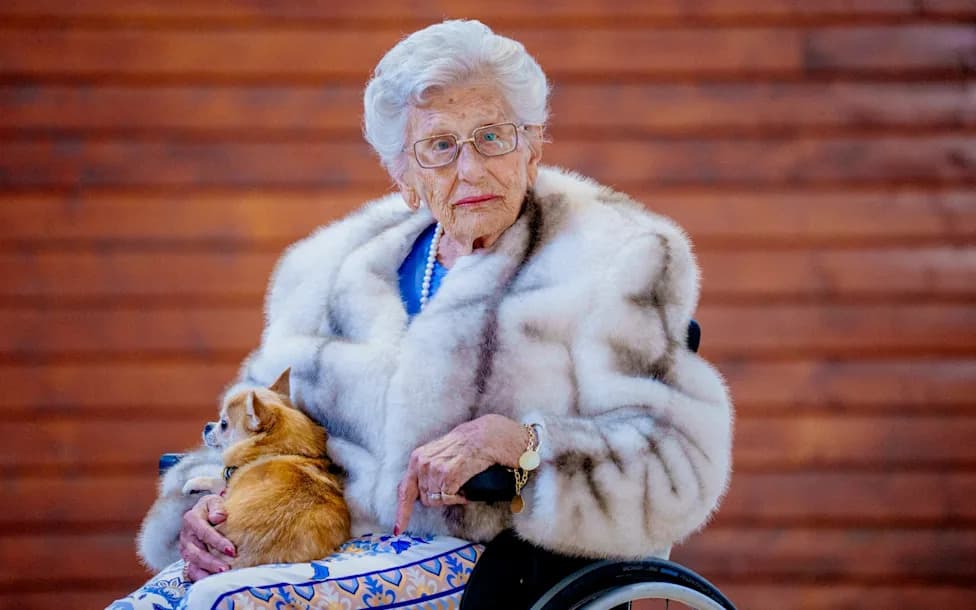
For now, Isabella's service functions as an intense but time-limited bridge before university and a more defined public role within the monarchy. As second in line to the throne, she is expected to assume active duties during her father's reign while Crown Prince Christian helps shape the future core of the royal family. Royal women in Denmark have historically carried significant responsibilities — Princess Benedikte, still active at 82, is a notable example.
Isabella completed her studies at Øregård Secondary School weeks earlier and marked the occasion with the traditional dunking in the waters off Hellerup. Reports say she had planned a gap year before the conscription reform changed those plans.
On August 3, the 19-year-old reported to the Guard Hussar Regiment at Antvorskov Barracks in Slagelse and began the eleven-month basic training programme, arriving on her own and smiling as she embarked on the course.
Help us improve.