On July 21, 2026, the Trump administration announced it would withhold $867 million from California and $200 million from Minnesota in federal Medicaid payments, citing insufficient documentation for disputed claims. The move, part of the new CRUSH anti‑fraud initiative, departs from the usual federal‑state audit process by using payment suspensions as an enforcement tool. While provider fraud is a genuine problem, critics warn that aggressive withholding risks disrupting care for low‑income children, nursing‑home residents and people with disabilities and may reflect a broader effort to shrink Medicaid.
Trump Administration Withholds More Than $1 Billion in Medicaid Funds From California and Minnesota
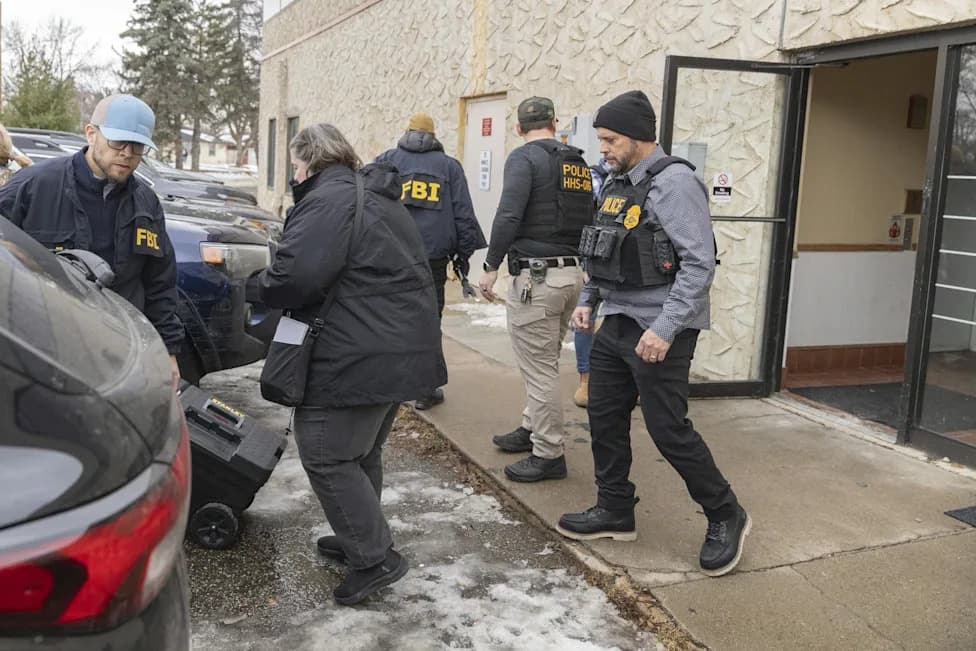
Federal agents execute a search in December 2025 tied to potential Medicaid fraud in Bloomington, Minn.Christopher Juhn/Anadolu via Getty Images
On July 21, 2026, the Trump administration announced it would withhold US$867 million in federal Medicaid payments to California and US$200 million to Minnesota — a combined total exceeding $1 billion — citing insufficient documentation for a set of disputed medical claims, including bills for in‑home care and other services covered by each state's Medicaid program.
Federal officials say the funds can be restored if the states provide the requested paperwork. State Medicaid administrators contend the action is highly unusual: when regulators suspect fraud, the standard practice has typically been to work with states to conduct a careful, multi‑year audit rather than immediately suspending large payments.
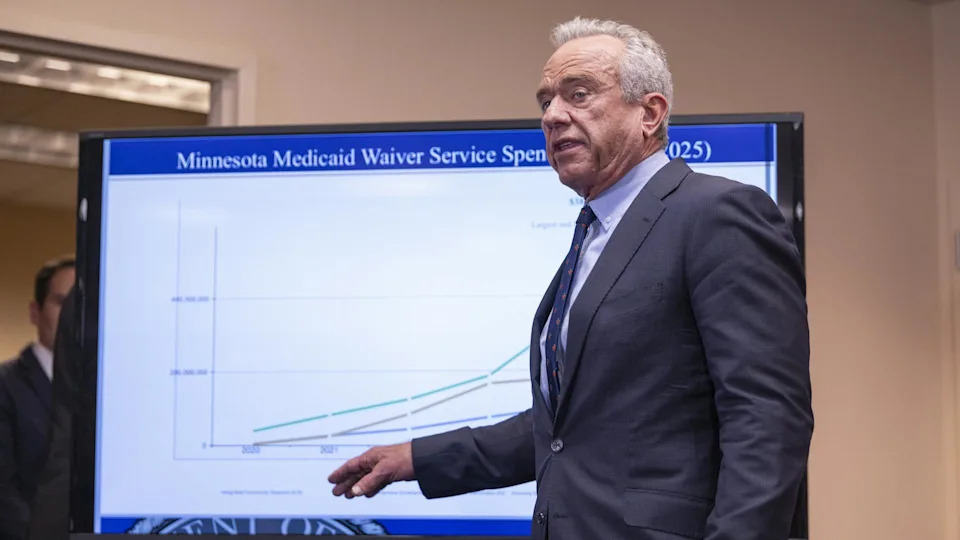
Secretary of Health and Human Services Robert F. Kennedy Jr. speaks about alleged Medicaid fraud and charges in Minneapolis in May 2026.Christopher Juhn/Anadolu via Getty Images
What Federal Officials Say
CMS and other federal officials maintain that the withheld payments respond to inadequate documentation for specific claims. In February 2026, federal leaders unveiled a new anti‑fraud initiative, Comprehensive Regulations to Uncover Suspicious Healthcare (CRUSH), which explicitly authorizes more aggressive measures — including pausing or withholding payments — when fraud is suspected. CMS administrator Dr. Mehmet Oz framed the effort bluntly: "CMS is done trying to catch fraudsters with their hands in the cookie jar. Instead, we're padlocking the jar and letting them starve."
Why This Is Unusual
Experts and state officials say using payment suspension as a first response departs from historical practice. Fraud investigations have more commonly relied on federal‑state cooperation, audits, and targeted enforcement actions. Sudden, large payment freezes risk disrupting care for beneficiaries while legal and administrative disputes proceed.

People line up at the Baltimore City Welfare Office in 1975, years before concerns about social spending led to big cuts to safety net programs.O'Halloran/Library of Congress via Getty Images
Policy Context: Broader Cuts and New Rules
The withholdings come amid a broader federal effort to tighten eligibility and reduce spending on Medicaid. A sweeping tax‑and‑spending bill signed in July 2025 introduced work requirements for some adults and is projected to reduce federal Medicaid spending by nearly US$1 trillion over the next decade. Researchers estimate that nearly 12 million additional people could become uninsured by 2034 because of those policy changes, on top of the roughly 28 million who were uninsured in 2025. By mid‑2026, analysts reported that more than 3 million people had already lost coverage after Republican changes to the Affordable Care Act.
Historical Perspective
Medicaid, established in 1965 alongside Medicare, has long been a focus of enforcement and political debate. Its size and complexity—joint federal‑state financing, varied eligibility rules and millions of enrollees—create real opportunities for provider misconduct. High‑profile scandals in the 1970s and subsequent federal reforms, including the Medicare‑Medicaid Anti‑Fraud and Abuse Amendments (1977) and the Deficit Reduction Act (2005), strengthened oversight. But political rhetoric has often blurred the difference between provider fraud and the comparatively rare instances of beneficiary fraud, sometimes using allegations of abuse to justify cuts or ideological opposition to public benefits.
Who Pays When Medicaid Is Cut?
When federal funds are withheld, the practical consequences are immediate: children’s care, nursing home services, disability supports and insurance coverage for low‑income residents can be jeopardized. Legal disputes over large withheld sums can take months or years to resolve while beneficiaries and providers face cash‑flow disruptions.
What To Watch Next
Key questions include whether California and Minnesota can quickly provide the documentation CMS requests, whether other states will face similar actions under CRUSH, and how courts or Congress may respond to what governors and Democrats call politically motivated enforcement. The broader policy debate will hinge on distinguishing genuine fraud control from measures that functionally reduce access to care.
Author: Ben Zdencanovic, University of Cambridge. This article is republished from The Conversation, a nonprofit, independent news organization.
Help us improve.