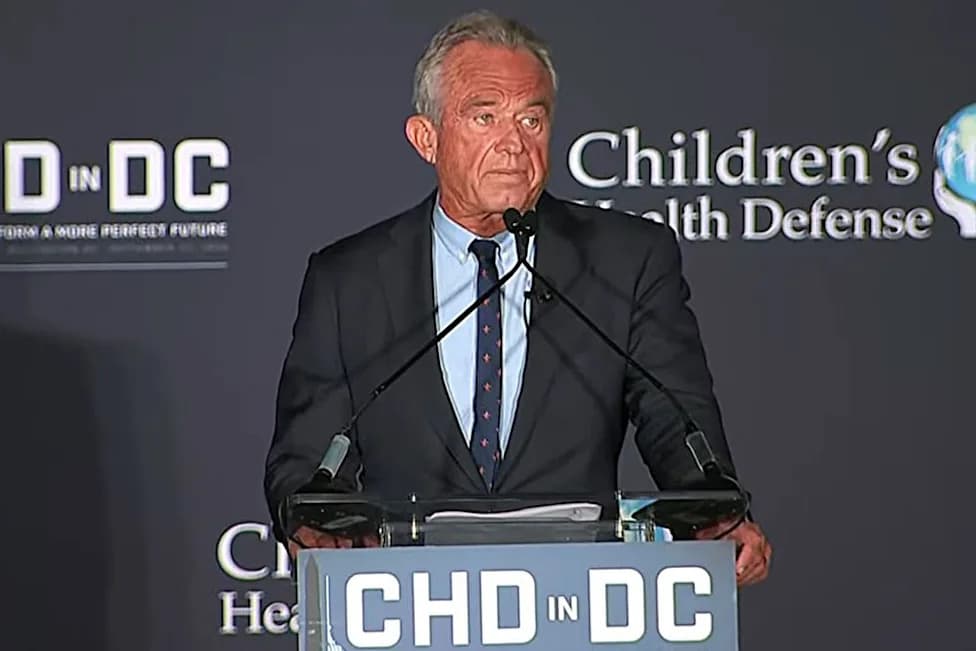
Robert F. Kennedy Jr.'s combative CNN interview with Dana Bash included attacks on Dr. Anthony Fauci and repeated claims about Covid-19 vaccines and shutdowns that contradict established facts. The exchange came amid a broader Republican effort — including a Senate hearing and public comments by former President Trump — to recast the narrative of 2020 and Jan. 6. Observers warn that reshaping recent history could become a central element of GOP messaging ahead of the midterms. These developments unfolded in a concentrated five-day span.
RFK Jr. Joins GOP Push To Recast Recent History Ahead Of Midterms
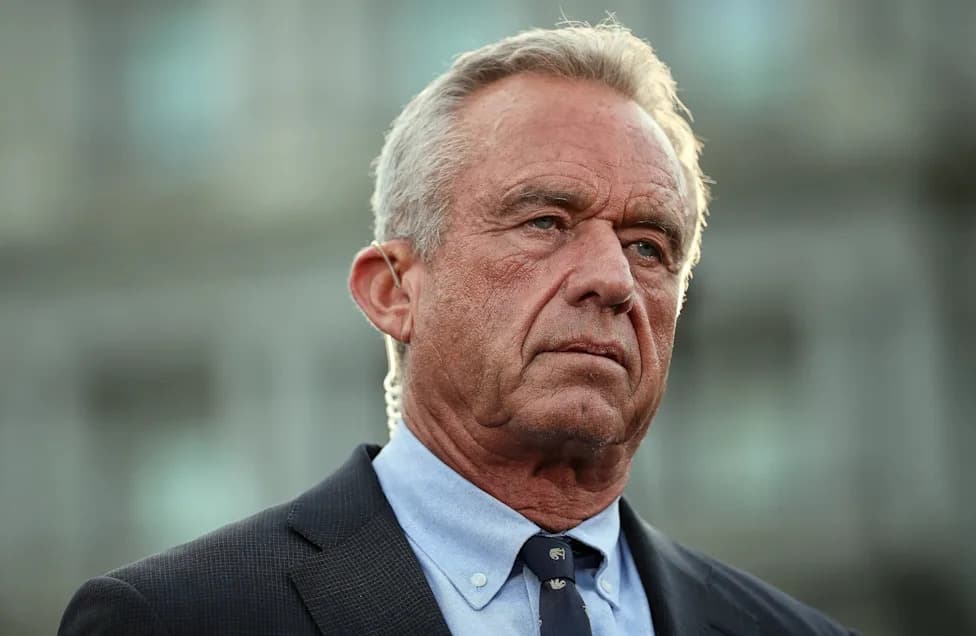
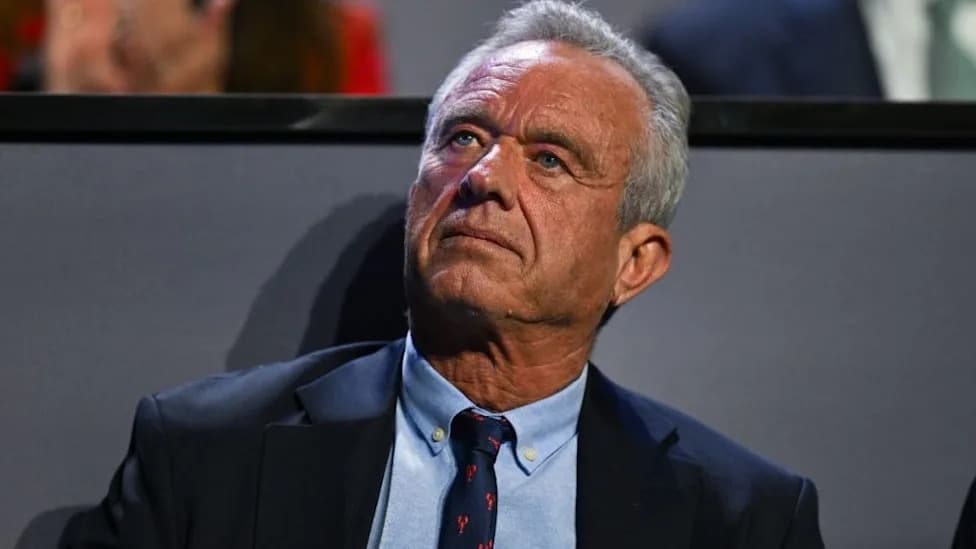
Secretary Robert F. Kennedy Jr. outside the White House West Wing on Sept. 9, 2025.
Robert F. Kennedy Jr., a prominent vaccine critic and political figure, drew headlines after a combative appearance on CNN's State of the Union with Dana Bash. The interview, described by the host as "contentious," featured sharp attacks on Dr. Anthony Fauci, broadly worded accusations against CNN, and repeated claims about Covid-19 vaccines and pandemic responses that conflict with established facts.
Rewriting The Pandemic Record
During the segment, Kennedy blamed Dr. Fauci for the scale of illness during the pandemic, suggested federal officials were responsible for widespread business and government shutdowns, and claimed the United States experienced the world's highest Covid death rate. When Bash pushed back with corrections — noting the roles of state and local authorities in imposing shutdowns and the broader epidemiological record — Kennedy continued to insist his version was accurate.
He also advanced misleading or unverified assertions about vaccine effectiveness that contradict the scientific consensus showing Covid-19 vaccines substantially reduced severe illness and death for many people. The exchange underscored how contentious debates about pandemic policy and responsibility continue to shape public discourse.
A Broader Political Campaign
The interview followed a Senate hearing in which several Republican senators sought to recast the decisions and actors of 2020 and portray Fauci as a central villain in the government's pandemic response. Observers described that hearing as echoing the same revisionist themes Kennedy aired on television.
Trump's Remarks And The Broader Context
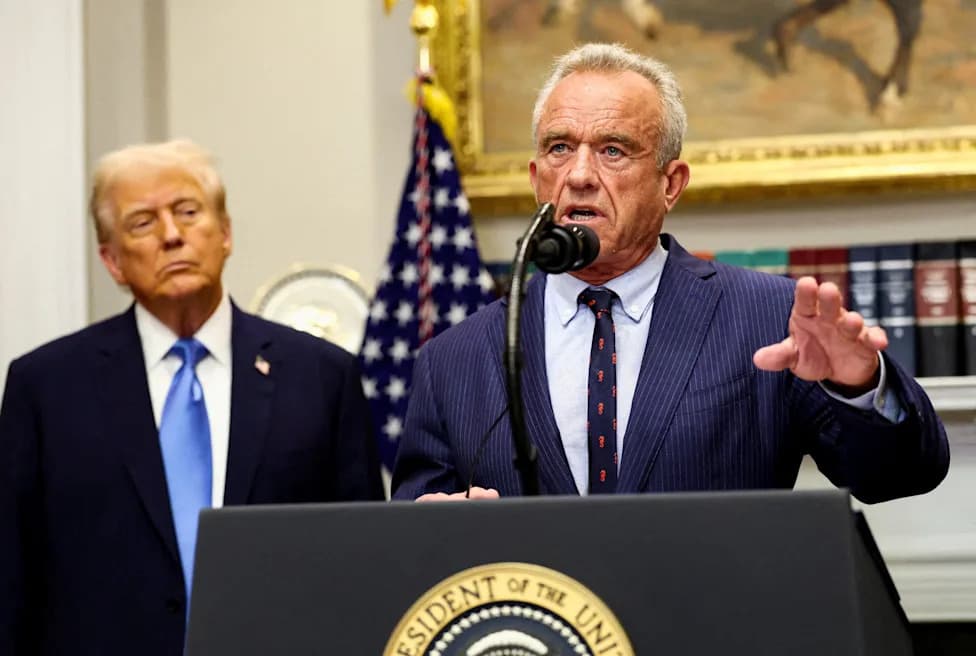
In the days after the hearing, former President Donald Trump used a White House Cabinet meeting to defend participants in the Jan. 6 attack on the U.S. Capitol, calling their journey to the building "an innocent journey" and saying they had been treated unfairly:
"There's never been … a group of people treated so badly as these people."
At the same meeting, Trump characterized an FBI search of Mar-a-Lago — conducted under a court-approved warrant in an investigation concerning classified materials — as an "attack" on his residence. Those comments ignored that Mar-a-Lago also operates as a private club and business, and that Trump was not the sitting president when the search took place.
Why This Matters
All of these public statements and hearings occurred within roughly five days, highlighting a concentrated effort by some political figures to reshape how recent events are remembered. Commentators such as Scott Horton have warned that GOP messaging ahead of the 2024–2026 campaign cycle may depend in part on reframing or disputing recent history — a strategy that could affect voter perceptions heading into the midterms.
Whether labeled revisionism or political spin, the rapid succession of high-profile claims and hearings shows how contested narratives about the pandemic and Jan. 6 remain central to contemporary American politics.
Help us improve.