The article recounts a large-scale ICE operation at Glass House Farms in Camarillo that detained 14 minors and 361 adults and left one worker, Jaime Alanis, dead after a fall. Three men—an undocumented worker known as Santiago, security guard and veteran George Retes, and professor-activist John Caravello—describe prolonged detentions, legal fights and lasting trauma. Caravello was later acquitted; Retes has filed a civil suit exploring new legal avenues to hold federal officers accountable; Santiago spent nearly six months in detention and remains under supervision. The raids prompted widespread community fear, deportations and ongoing litigation challenging federal enforcement tactics.
ICE Raid On Glass House Farms Upended Lives: Veteran, Farmworker And Professor Still Rebuilding
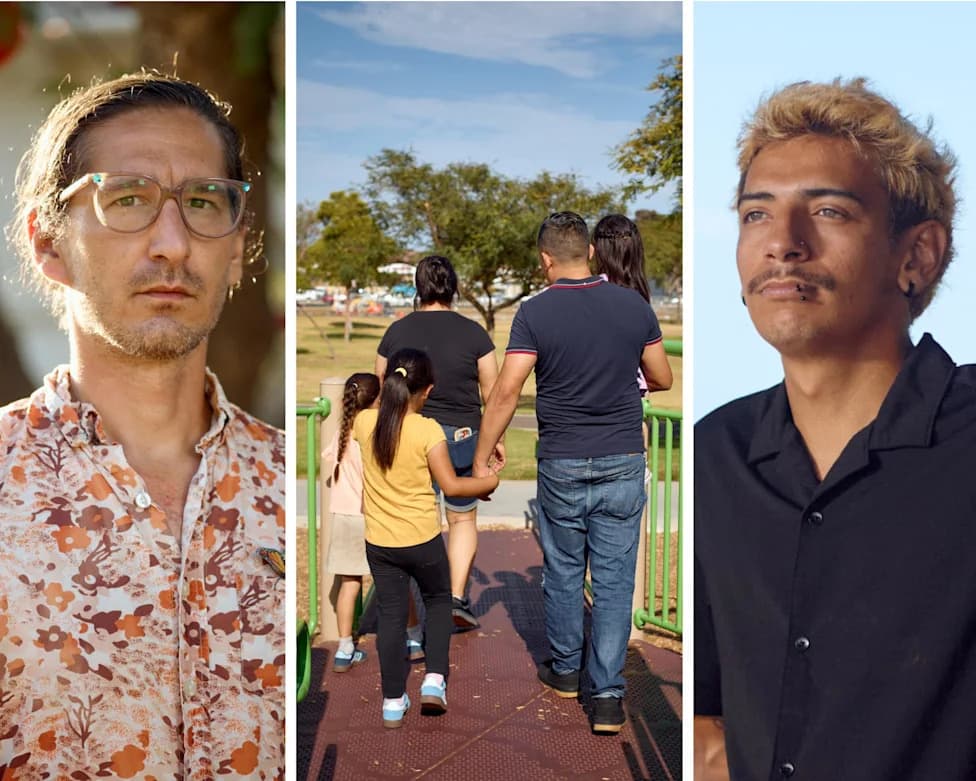
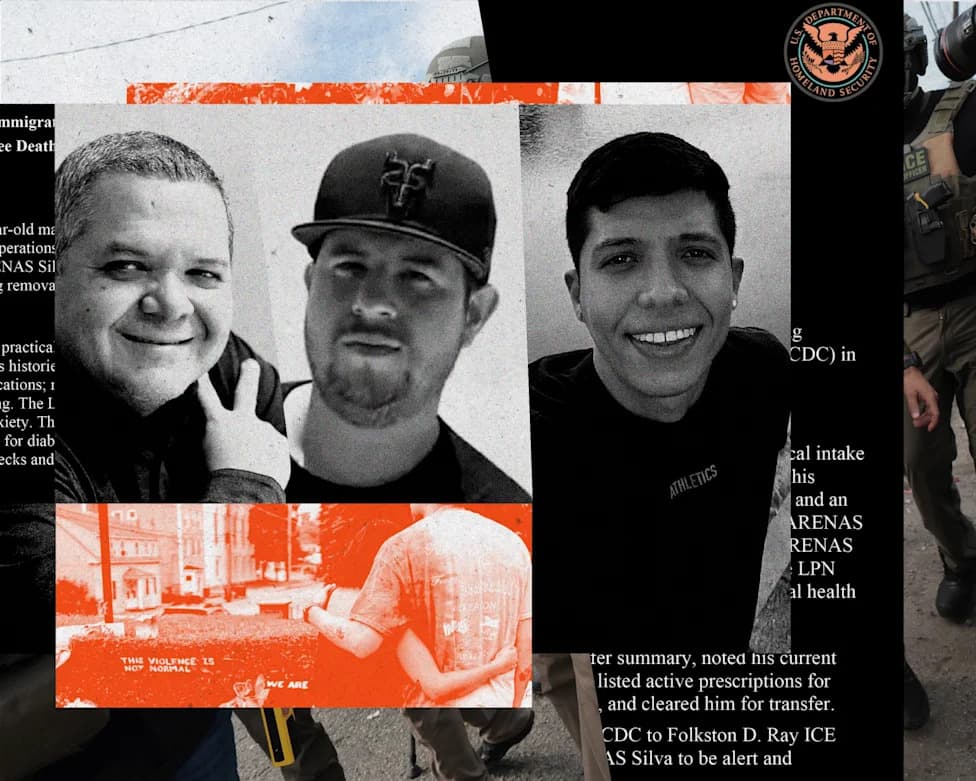
John Caravello, a university professor; Santiago, a farmworker from Mexico; and George Retes, a US army veteran and security guard.Photograph: Damon Casarez/The Guardian
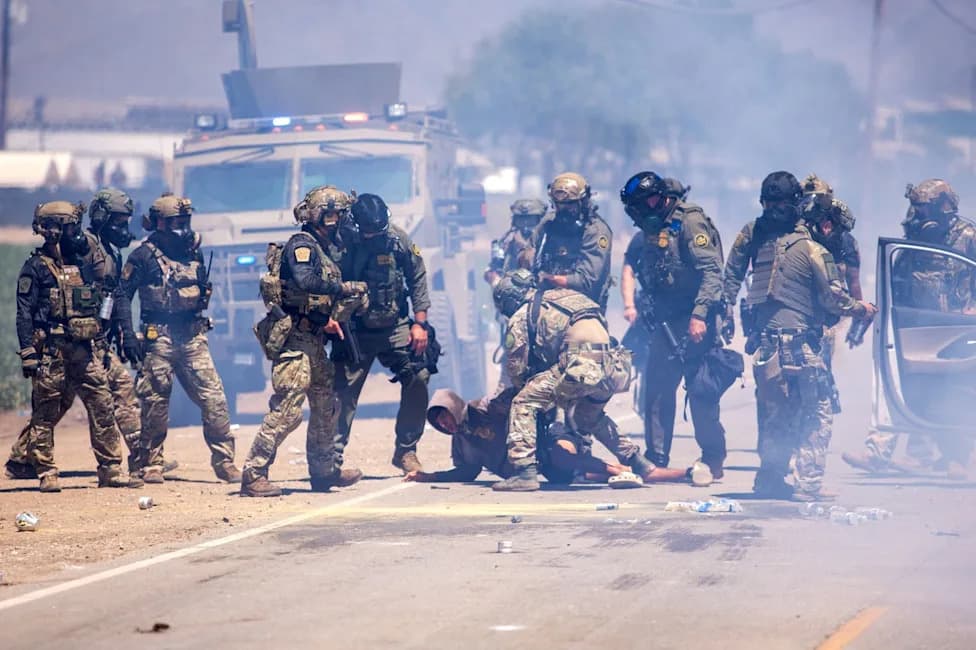
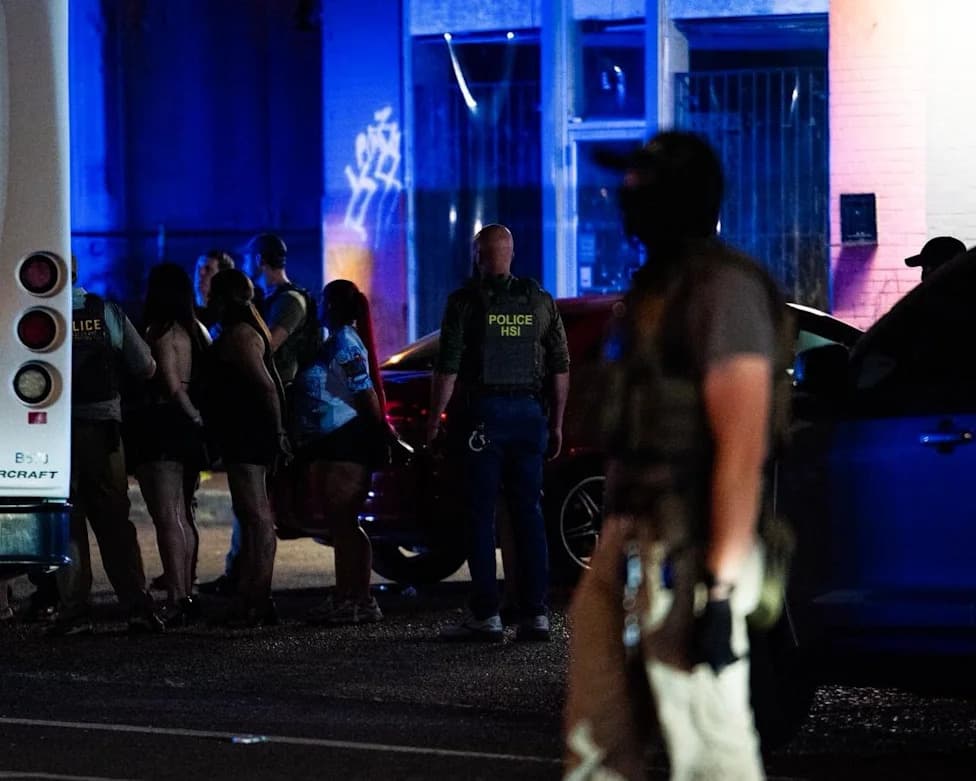
On a clear morning last July, hundreds of immigration agents in camouflage descended on a Glass House Farms greenhouse complex in Camarillo, about an hour north of Los Angeles. Arriving in tactical vehicles with face coverings, firearms and chemical munitions, officers sealed a road flanked by fields of produce. The operation—later described by community organizers as a test of federal enforcement tactics—set off a chain of events that continues to reverberate across southern California.
Chaos At The Greenhouses
Shortly after 10am, Santiago*, an undocumented worker from Mexico who had been on the job for only three weeks, saw agents flood the site. With firearms trained on scattering workers, he initially believed soldiers had arrived and felt overwhelming fear. "Fear of what could happen to me, and fear of leaving my daughters behind," he said.
As news spread, protesters gathered outside. Around 12:50pm, John Caravello, a local philosophy lecturer and activist, grabbed a smoking tear-gas canister that a Border Patrol agent had tossed and threw it back over the agents—an act that later became central to criminal charges against him. By about 2:30pm officers had deployed multiple rounds of chemical munitions while National Guard members stood nearby.
Detentions, A Death And A Staging Area
The Department of Homeland Security reported that the 10 July raids at Glass House Farms facilities in Camarillo and Carpinteria led to the detention of 14 minors and 361 adults. One worker, 56-year-old Jaime Alanis, died after falling roughly 30 feet from a greenhouse roof. Internal Navy correspondence obtained via records requests shows agents used a Ventura County naval base as a temporary "staging area" and held about 275 workers there during the operation.
Three Men, Long Aftermath
The raid profoundly affected three men whose lives were transformed that day.
- Santiago was held in cold basement cells in downtown Los Angeles, then transferred to the Adelanto detention center where he spent nearly six months. He was released in January after a $10,000 bond, but remains under an ankle monitor and periodic check-ins while his work-permit application is pending.
- George Retes, a security guard and Iraq veteran, says officers smashed his car window, pepper-sprayed him and pinned him to the ground. A U.S. citizen, Retes was released after three days and has since testified before Congress twice and filed a civil lawsuit alleging excessive force and other violations.
- John Caravello was charged with felony assault for throwing the tear-gas canister. His trial turned on whether he aimed the canister at officers or threw it over their heads in self-defense; a jury acquitted him after two hours of deliberation.
Community Impact And Legal Battles
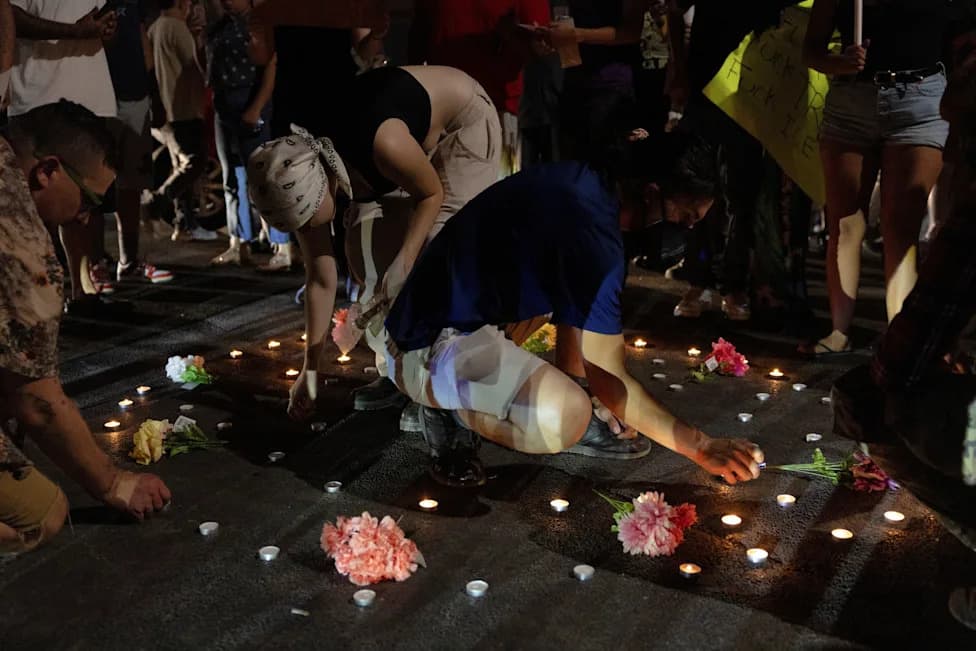
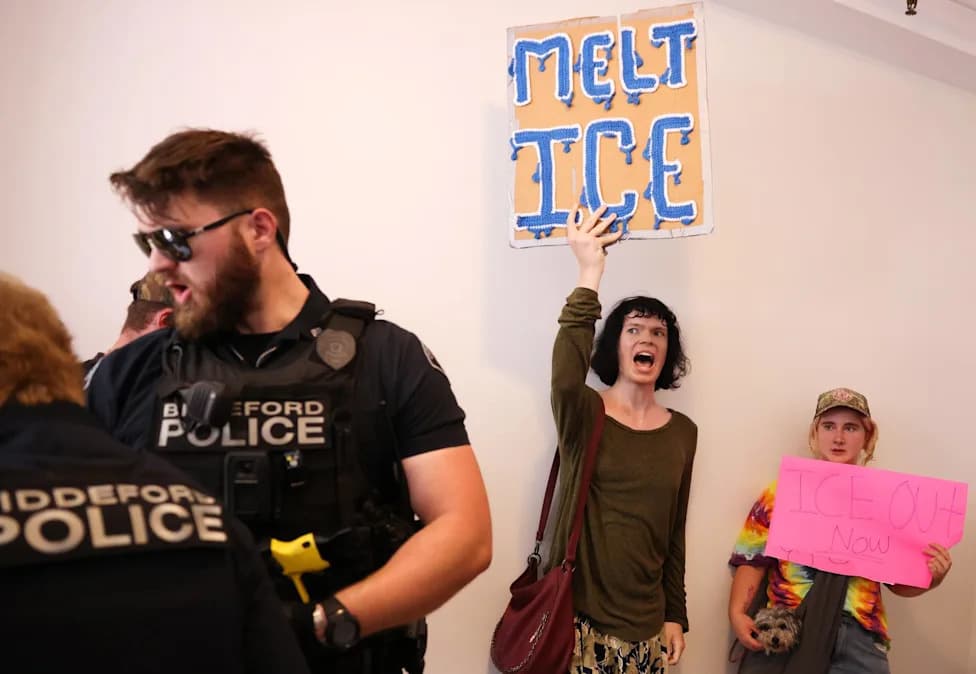
Advocates say the raids marked an escalation of aggressive enforcement in Los Angeles and contributed to widespread fear in immigrant communities. More than 200 workers were reportedly deported in the days after the raids, and local nonprofits document families left homeless, babies separated from mothers and returnees struggling to reintegrate into rural hometowns.
Several legal actions have emerged: Retes' lawyers at the Institute for Justice are pursuing an untested California-law theory to sue federal officers for interfering with constitutional rights; the family of Jaime Alanis has sued the government and Glass House Farms, alleging excessive force and failure to provide medical care. DHS has denied pursuing Alanis at the time of his fall and has not publicly commented on the ongoing lawsuits. Glass House Farms did not respond to requests for comment.
Voices From The Aftermath
Caravello says his acquittal renewed his commitment to organizing: he is helping build a cross-union legal network, writing a book about the experience and joining class-action litigation tied to federal enforcement policy. Retes, who had lived a quiet life after military service, now travels to speak with lawmakers and advocates, describing how difficult it is to win accountability from federal agencies.
Meanwhile, Santiago is rebuilding slowly: reunited with his daughters, he recently received work authorization and has begun applying for jobs, but the economic and emotional toll endures. "Now when I see a car with dark windows, I worry," he said. "Everything has changed."
"They pushed the line further and further." — Genevieve Flores-Haro, Mixteco/Indígena Community Organizing Project
*The Guardian is using a pseudonym for Santiago to protect his immigration case.
This reporting was supported in part by a grant honoring the life and legacy of David Burnham, co-founder of the Transactional Records Access Clearinghouse (TRAC) in 1989. Sophia Paliza-Carre contributed to this reporting.
Help us improve.