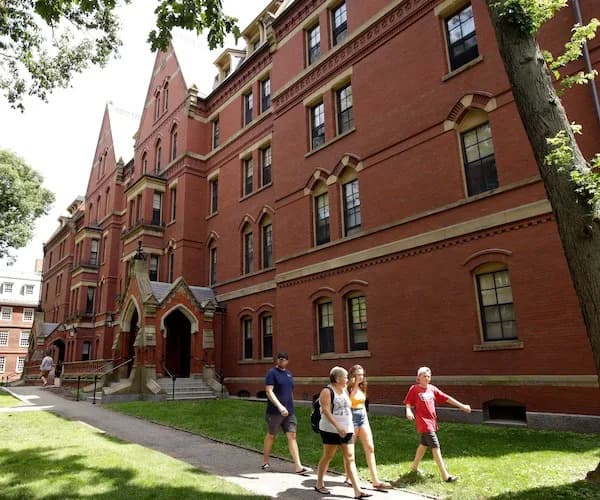
The first wave of the "Proof of Promise" survey finds alumni from 40 four-year HBCUs reporting higher rates of life satisfaction, workplace engagement and campus belonging than national peers. Seventy percent of recent HBCU graduates say they are "thriving," while large majorities report inspirational faculty, a sense of belonging and willingness to recommend their schools. The study, by the Dr. N. Joyce Payne Research Center and Gallup, will expand in two additional waves through 2028 to deepen the evidence on HBCU outcomes.
Landmark Survey: HBCU Alumni Report Higher Rates Of Thriving, Belonging And Career Engagement
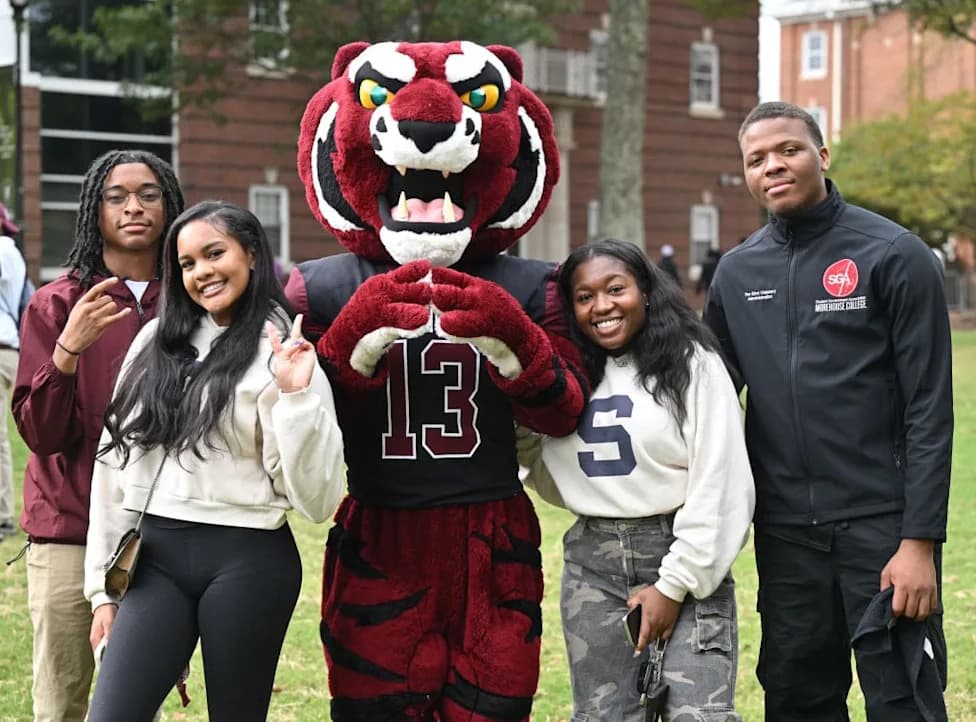
HBCU Alumni Are Thriving At Higher Rates Than Peers, Landmark New Survey Finds
A major new study finds that alumni of Historically Black Colleges and Universities (HBCUs) report stronger personal and professional outcomes than many of their peers. The initial results of the research project, presented at an invitation-only event on Martha's Vineyard, highlight high rates of life satisfaction, workplace engagement and meaningful campus experiences among recent HBCU graduates.
Proof of Promise: The Lasting Value and Impact of an HBCU Education polled alumni from the classes of 2010 through 2025 at 40 four-year HBCUs. The first wave of results shows striking differences when compared with national benchmarks: 70% of recent HBCU graduates say they are personally "thriving," versus 48% of all Black adults in the U.S. Workplace engagement among these alumni is 46%, compared with 31% of all American workers.
Campus experiences were also notably positive: 83% of respondents reported a sense of belonging at their institutions (versus 65% of all college graduates), and 94% said they had a professor who inspired them to learn (compared with 81% of all graduates). Most alumni rate their education as worthwhile: 79% said their HBCU education was worth the cost, and 72% said they were highly likely to recommend their alma mater—far above the national recommendation rate of 44% for all college graduates.
Survey Leadership and Reactions
The study is led by the Dr. N. Joyce Payne Research Center, the research arm of the Thurgood Marshall College Fund (TMCF), in partnership with Gallup. Gallup Chairman Jim Clifton framed the collaboration as a shared effort to understand what helps students succeed nationally. TMCF President and CEO Dr. Harry L. Williams praised HBCUs for producing strong outcomes despite chronic under-resourcing, and Dr. N. Joyce Payne urged broader support for both public and private HBCUs to ensure they can continue to thrive.
“This research offers valuable insights not only for HBCUs but for colleges and universities across the country,” Jim Clifton said. Dr. Williams added that HBCUs "have done more with less throughout history and continue to produce outcomes like this report validates."
Context, Funding And Challenges
The release comes amid both opportunity and challenge for HBCUs. Many institutions have seen recent enrollment gains that buck the national decline in college attendance. Philanthropic support from major donors and high-profile gifts (including from MacKenzie Scott and Michael Bloomberg) has increased, and federal aid noted in the report includes roughly $17 billion in support during the Biden-Harris administration and references to allocations or commitments near $2 billion in 2025 and beyond. The report's authors caution, however, that voluntary philanthropy and politically contingent initiatives can complicate long-term planning.
The survey release also coincides with a period of heightened attention to specific campus controversies: Howard University reinstated more than 200 students following public outcry over the removal of more than 500 incoming freshmen, and Tuskegee University drew debate after introducing a new campus dress code.
Next Phases And Importance
Friday's results represent the first of three planned waves. Part Two, due summer 2027, will broaden the timeline and include alumni from a total of 64 HBCUs. Part Three, set for summer 2028, will add qualitative interviews and deeper alumni insights. Together, the three phases aim to offer a fuller, evidence-based picture of student experiences and long-term outcomes at HBCUs—information that can guide policy, philanthropy and institutional strategy as demand for HBCU seats rises and financial and reputational pressures persist.
Help us improve.