HHS recently shifted to shared clinical decision-making for childhood flu vaccination, citing limited randomized evidence. A new study used a birth‑month natural experiment—comparing two‑ to five‑year‑olds with fall versus summer birthdays—to estimate seasonal vaccine effectiveness across five seasons. Results showed 9–14 fewer diagnosed influenza cases per 100 children vaccinated due to birthday timing, and no difference in non‑influenza infections, supporting a causal vaccine effect.
Birth‑Month 'Natural Experiment' Shows Flu Shots Reduce Influenza Cases in Young Children

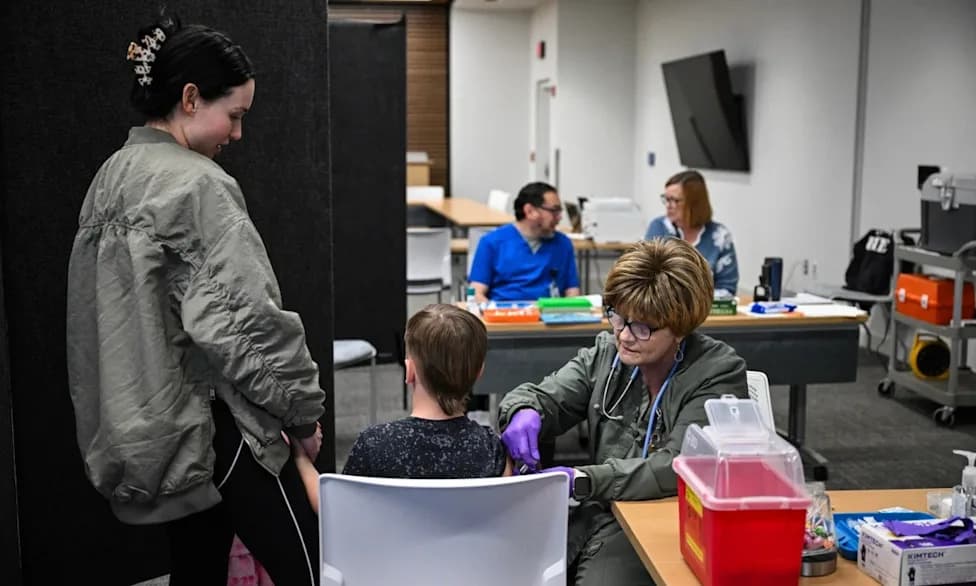
—Hector Roqueta Rivero—Getty Images
Earlier this year, the U.S. Department of Health and Human Services (HHS) shifted from recommending universal annual influenza vaccination for all children to advising shared clinical decision-making—a discussion between parents and clinicians—citing, in part, what it described as limited randomized evidence of seasonal flu vaccine effectiveness in young children. A lawsuit temporarily blocked that policy change, and the issue remains under review.
Randomized controlled trials are rightly considered the gold standard because they prevent systematic differences between groups. But randomized data can sometimes arise naturally. In a new study published this summer, researchers exploited an accidental source of randomization: the timing of routine pediatric well-child visits around a child’s birthday. Because many clinics begin offering seasonal influenza vaccine in the fall, children with fall birthdays are more likely to receive the vaccine at their routine visit, while children with summer birthdays often must schedule a separate appointment and are vaccinated less often. Birth month is effectively random with respect to influenza exposure, creating a useful natural experiment.
What the Study Did
The researchers compared vaccination rates and medically diagnosed influenza among two- to five-year-old children with fall versus summer birthdays across five recent flu seasons. The premise: if fall-born children were more likely to be vaccinated and also had lower influenza rates, that seasonal difference would indicate vaccine effectiveness; if vaccination increased but influenza rates did not fall, the vaccine likely provided little protection that season.
Key Findings
Across every season examined, vaccination tied to birthday timing reduced influenza diagnoses. For every 100 children vaccinated because of the timing of their routine visit, there were between 9 and 14 fewer diagnosed cases of influenza, depending on the season. To guard against confounding from differences in health-care use or parental vigilance, the investigators compared rates of non-influenza infections (like stomach viruses and common colds) and found no meaningful differences between fall- and summer-born children, supporting the interpretation that the observed benefit reflected true vaccine protection.
Why This Matters
Natural experiments like birth-month scheduling can provide timely, reliable evidence without conducting new randomized trials. Randomized trials remain the most rigorous method, but they are expensive, slow, and sometimes ethically or logistically impractical for every question that arises each season. Using routinely collected health-care data with careful study design and robust statistical methods lets researchers estimate vaccine effectiveness year-by-year at far lower cost and with faster turnaround.
Bottom line: When randomized trials are impractical, well-designed analyses of existing health data—such as birth‑month natural experiments—can yield high-quality, actionable evidence that seasonal flu vaccines reduce influenza cases in young children.
Help us improve.