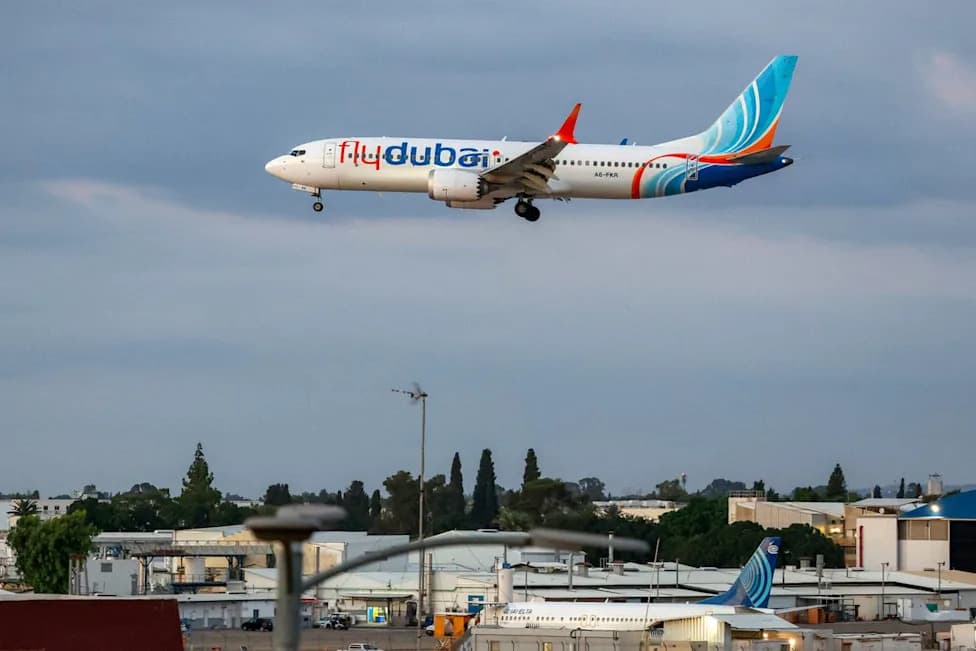
The UK Airprox Board investigated two April incidents in which objects passed close to commercial Airbuses near London. An A319 on final approach to Gatwick reported a disc-like object passing about 100–300 ft from its wing, while a separate A321 incident near Heathrow involved a drone seen close enough to view propellers. Witness accounts differed, and investigators concluded safety was reduced in at least one case. Both events underscore the danger of unidentified objects near passenger flights and the need for stronger mitigation and enforcement.
Near-Miss Over Gatwick: Airbus Pilot Reports Disc-Like Object Passed 100–300 ft From Wing
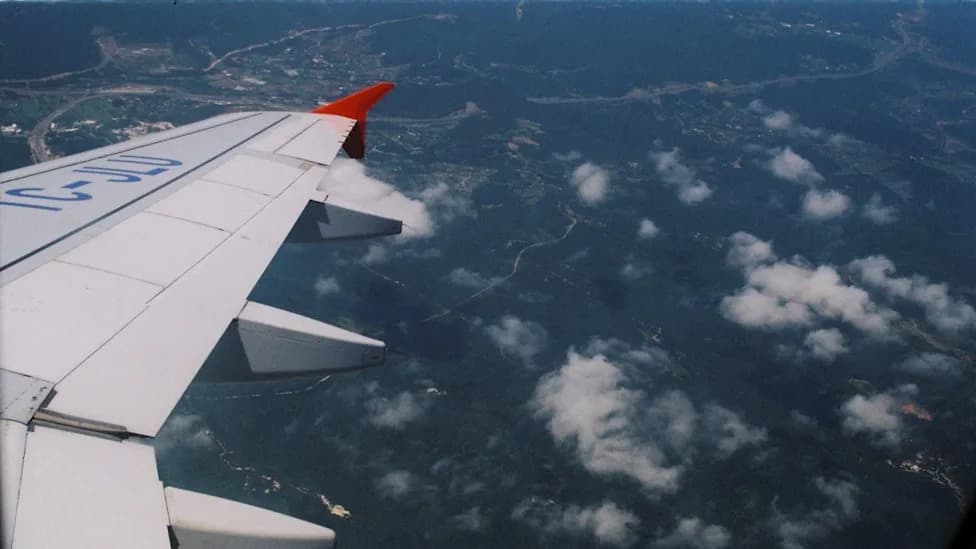
Image Credit: beyzahzah via Pexels
An Airbus A319 on final approach to London Gatwick in April reported an unidentified, disc-like object passing roughly 100–300 ft from the aircraft's wing, according to the UK Airprox Board's investigation. The differing descriptions from cockpit and cabin crew—ranging from a 'flying saucer' to a drone with visible propellers—have left the encounter unresolved and raised safety concerns.
What Happened
The Airprox Board recorded that the A319 was descending and turning left when the pilot observed a disc-shaped object flying in the opposite direction at approximately the same level, passing the aircraft's right wing. Crew members reported the object was close enough to discern markings and, in some accounts, propellers.
The board noted the object passed about 100–300 ft from the wing and that no evasive action was taken because the aircraft was already in a turn. Investigators concluded the event had reduced the safety of the flight.
Related Heathrow Incident
Separately, in the same month an Airbus A321 on approach to London Heathrow reported a drone passing very close while turning on to the base leg over Marlow. That pilot said the object was close enough to clearly see colour, shape and individual rotating propellers.
Image Credit: beyzahzah via Pexels
Why It Matters
Whether the Gatwick object was an unconventional drone, an optical misidentification, or something else, both incidents highlight the real risk posed when unidentified objects operate near commercial aircraft. Close encounters—even without a collision—can reduce safety margins and increase the potential for accidents during critical phases of flight such as final approach.
Officials and aviation authorities are urged to investigate such reports thoroughly, tighten drone regulation and enforcement around airports, and ensure pilots and controllers have timely procedures to manage close encounters.
Image credit: beyzahzah via Pexels
Help us improve.