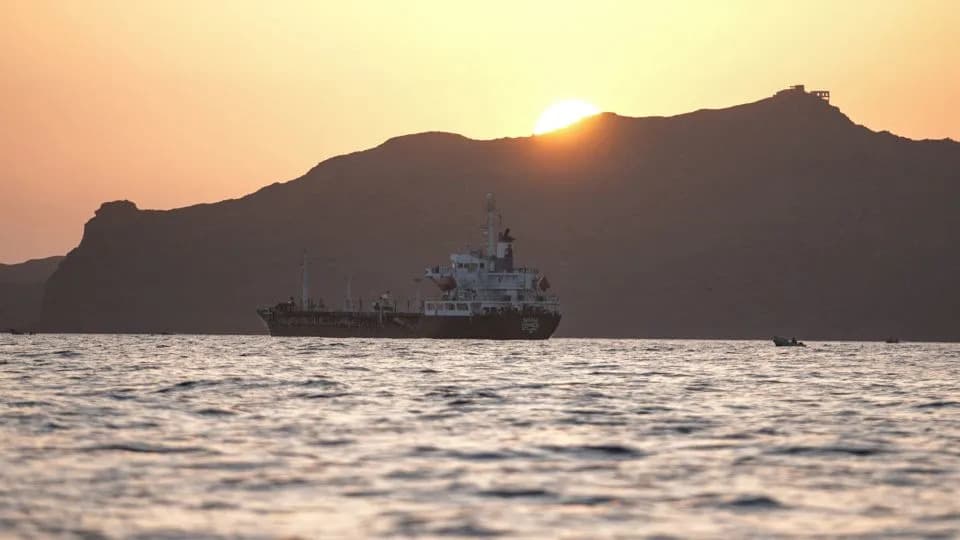
Houthi fighters resumed attacks in the Red Sea on July 22, 2026, and a suspected Iranian drone strike hit a floating LNG facility in Damietta a week later, expanding maritime risk beyond the Strait of Hormuz. Saudi Arabia's east-to-west pipeline and other bypasses provided a partial workaround, but renewed strikes threaten Bab al-Mandab and the Suez/SUMED corridor. If both ends of the Red Sea are judged unsafe, tankers face much longer detours, higher costs, and renewed disruption to global energy supplies.
Red Sea Attacks and Damietta Strike Threaten Gulf Shipping Workarounds and Global Energy Flows
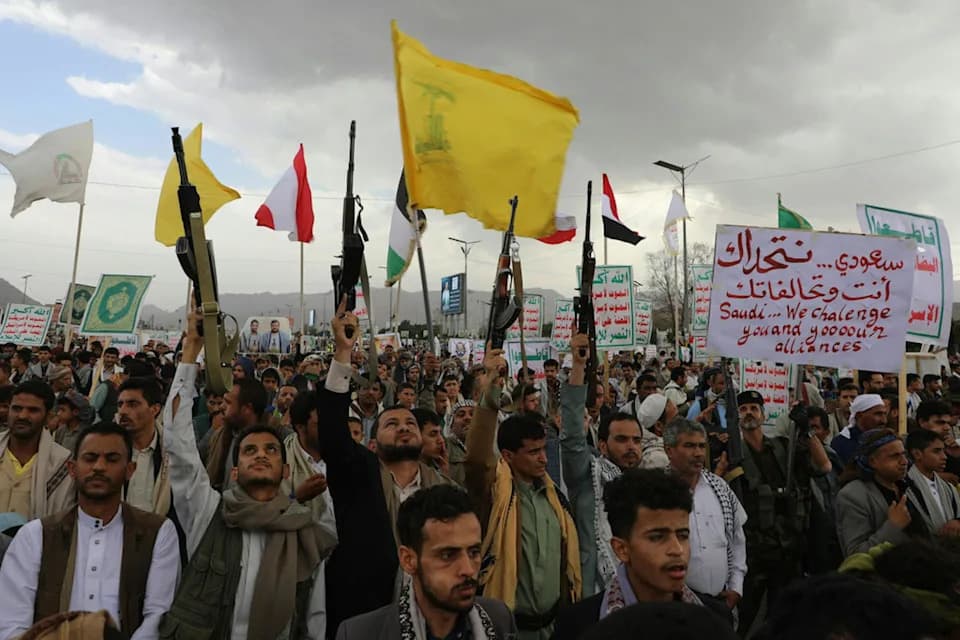
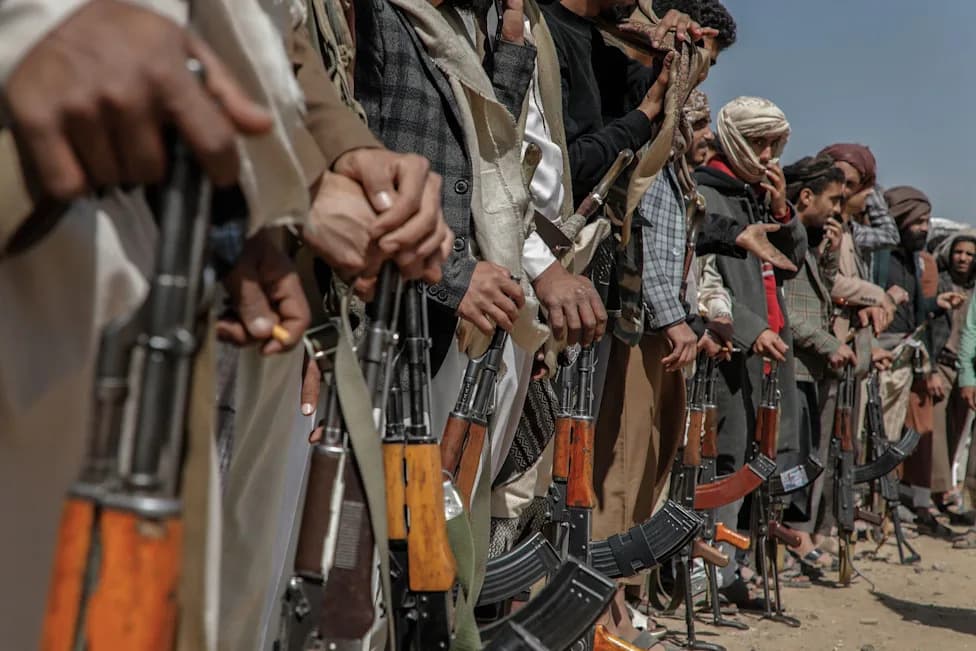
Houthi supporters attend a rally in Yemen's capital against Saudi influence on July 31, 2026.AP Photo/Osamah Abdulrahman
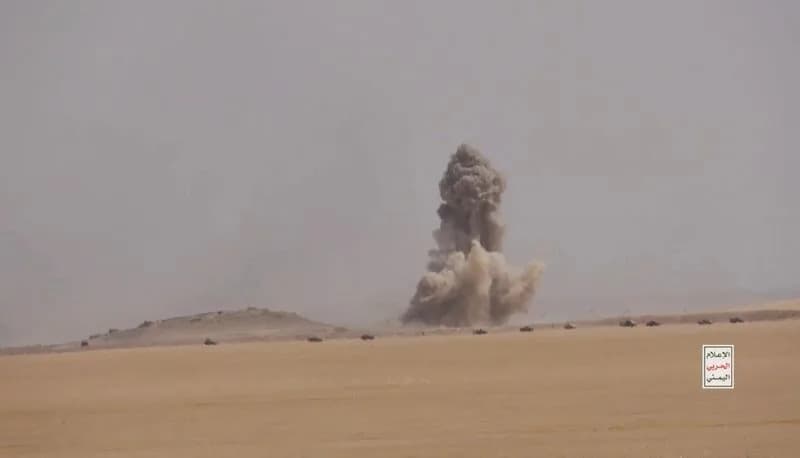
After a nine-month lull, Houthi fighters in Yemen aligned with Iran resumed attacks on ships in the Red Sea on July 22, 2026, directly confronting Saudi interests. A week later, a suspected Iranian drone strike hit a floating liquefied natural gas storage unit in Egypt's Damietta port, igniting a fire that spread to a nearby tanker. Together, these incidents have widened the zone of risk for maritime traffic and exposed the limits of routes intended to bypass the Strait of Hormuz.
Why This Matters
Attempts to reroute oil exports around the Strait of Hormuz — closed by Tehran after attacks on Feb. 28, 2026 — provided temporary relief but were never fully secure. The attacks now threaten two additional choke points: the Bab al-Mandab Strait between Yemen and the Horn of Africa, and the Suez/Red Sea to Mediterranean corridor, including pipeline links such as SUMED. If both ends of the Red Sea are considered unsafe, tankers could face much longer detours and significantly higher costs.
Sequence Of Escalation
The Houthi escalation followed a series of developments: a July delegation flight from Sanaa to Tehran on Mahan Air to attend Iran's former supreme leader's funeral; a disrupted return flight after the internationally recognized Yemeni government struck Sanaa's runway; and reports that the flight carried IRGC personnel and missile and drone components. Mahan Air is under US Treasury designation for ties to Iran's Islamic Revolutionary Guard Corps.
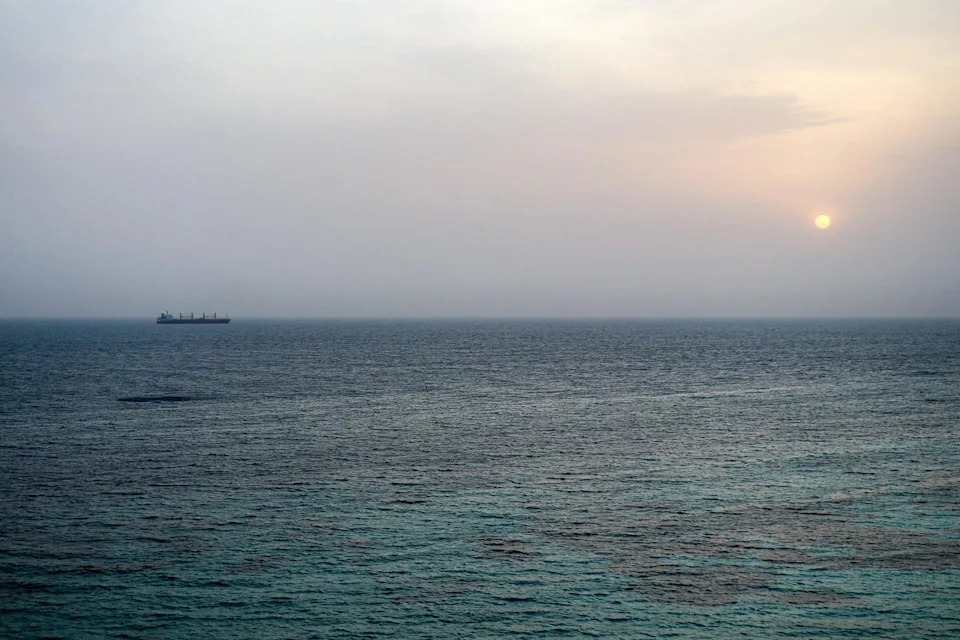
A vessel transits the Bab al-Mandeb Strait off the coast of southern Yemen on July 25, 2026.Khaled ZIAD/AFP via Getty Images
Within days of renewed Houthi attacks on Red Sea shipping, Saudi Arabia launched airstrikes against Houthi targets in Yemen for the first time since the 2022 truce. Saudi and US joint strikes in Iraq on July 28 signaled the widening regional military involvement and raised the prospect that Riyadh could be drawn deeper into the conflict it had tried to avoid.
Impact On Workarounds
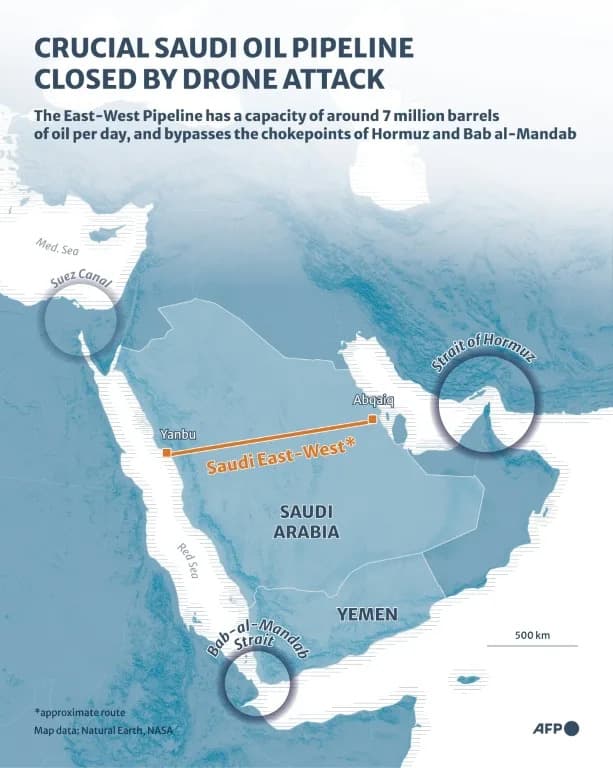
After the closure of the Strait of Hormuz in March 2026, Saudi Arabia relied on its East-West pipeline from the Abqaiq processing facility to Yanbu to sustain exports. The pipeline can operate at up to 7 million barrels per day; Saudi exports were about 3.43 million barrels per day in May, substantially higher than neighbors that lack alternatives. But these western routes were within missile and drone range and were previously targeted during the first phase of the Iran war.
If Houthi targeting forces major restrictions in the Bab al-Mandab, tankers would be diverted north through the Suez Canal and, for the largest ships, the SUMED pipeline between Ain Sokhna and Sidi Kerir. That workaround imposes logistical friction: unloading and reloading cargoes, added transit time that can reach roughly four extra weeks for some Asia-bound deliveries, and materially higher insurance and shipping costs if insurers deem the route too risky.
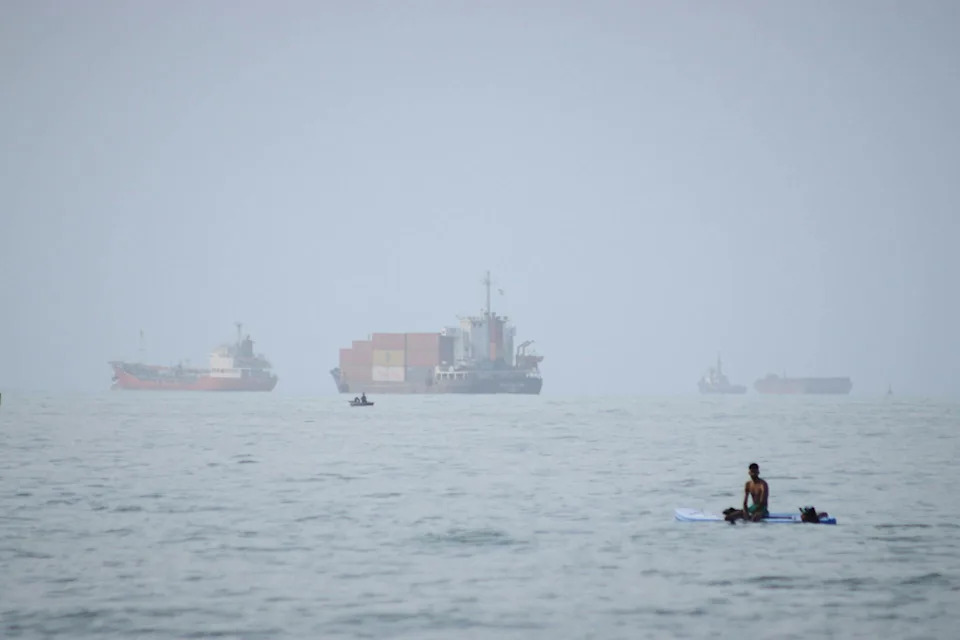
A man sits on a surfboard as a container ship and other commercial vessels appear anchored in the Strait of Hormuz off Bandar Abbas, Iran, on July 27, 2026.Razieh Poudat/ISNA via AP
Broader Consequences
An expanded conflict zone that includes both ends of the Red Sea would further strain global energy and commodity supply chains already weakened by reduced oil production earlier in the year. The Houthis may be using resumed attacks to extract political and economic concessions from Saudi Arabia. Riyadh's intensified air campaign risks escalating the situation further, creating overlapping conflicts that complicate diplomatic solutions and threaten broader economic fallout.
Bottom line: Workarounds to Hormuz reduced immediate disruption but were never foolproof. Recent attacks underscore that even alternate routes can be vulnerable and that global markets remain exposed to renewed regional escalation.
By Kristian Coates Ulrichsen, Rice University
This article is republished from The Conversation, a nonprofit, independent news organization bringing facts and analysis to help make sense of our complex world.
Help us improve.