Israeli media report that 30-year-old Bar Asraf died by suicide at the grave of his girlfriend, 26-year-old Liron Barda, who was killed at the Oct. 7 Nova music festival while helping wounded attendees. Family members say Asraf struggled deeply after her death and was found at her burial site; his father attempted CPR and a gun was recovered. The case adds to concerns about the long-term mental-health toll of the Nova massacre and criticism of the support available to survivors.
Boyfriend Of Oct. 7 Victim Dies By Suicide At Her Grave, Family Says
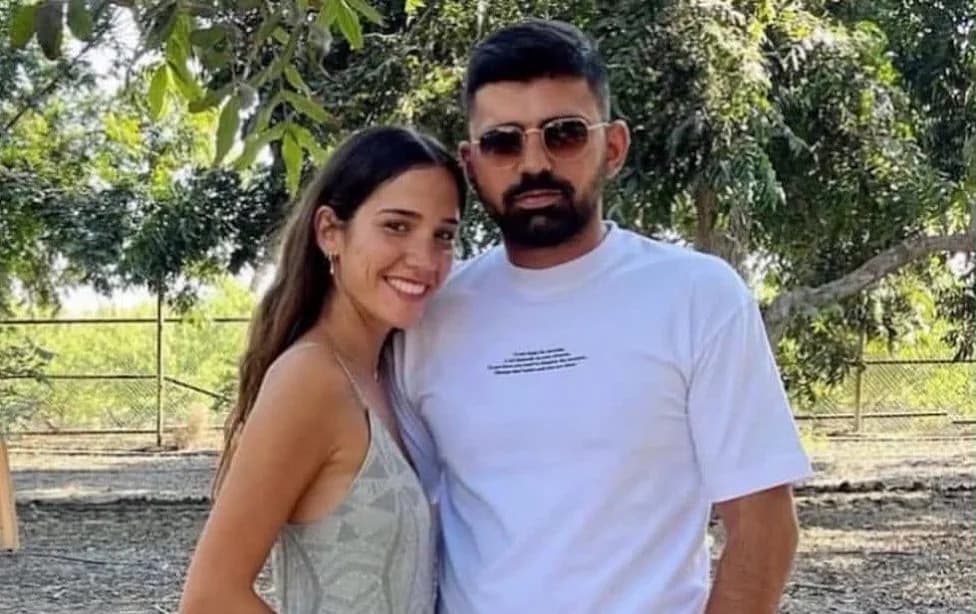
Oct 7 victim Liron Barda and partner Bar Asraf - Instagram
Israeli media report that 30-year-old Bar Asraf died by suicide at the grave of his girlfriend, 26-year-old Liron Barda, who was killed in the Oct. 7 Nova music festival attack while trying to help wounded attendees.
Details Of The Incident
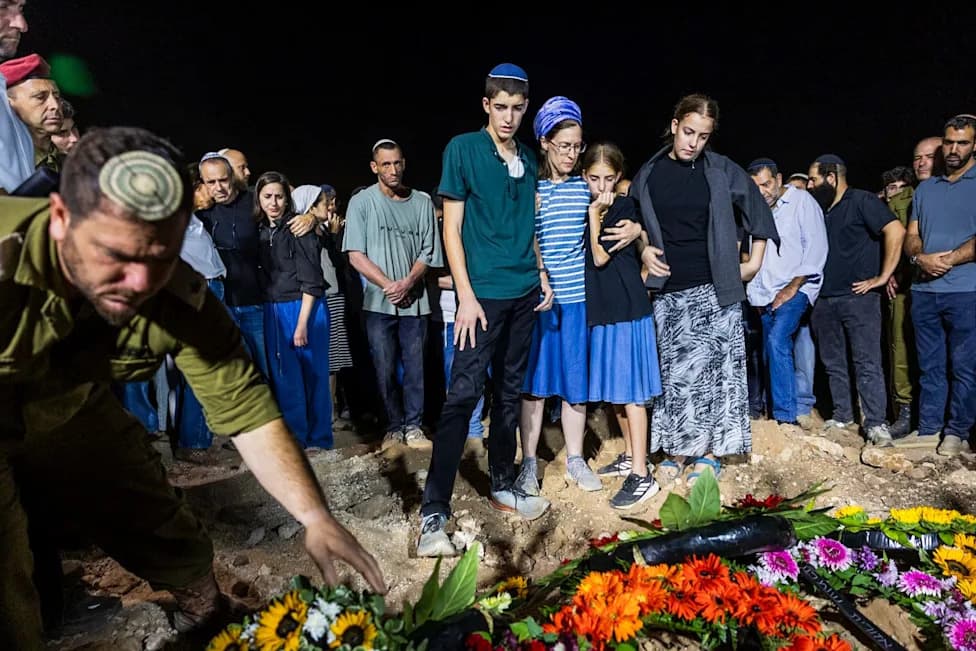
Family members say Asraf shot himself at Barda's burial site. Relatives discovered him at the grave after becoming concerned about his absence; his father attempted CPR and a gun was found at the scene, according to family accounts shared with local media.
What Relatives Say
Asraf's sister, Lihi, told the Walla news site that he had driven toward Re'im trying to reach Barda on Oct. 7 before turning back when he realized there was no one left to save. She described Barda as 'part of his soul' and said Asraf remained close to her grieving family after the massacre.
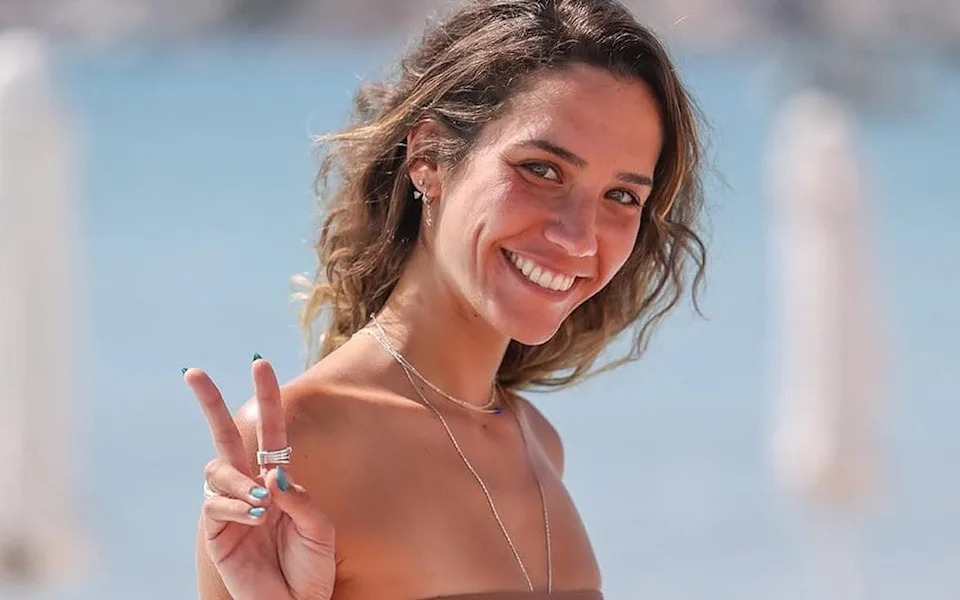
Liron Barda died at the age of 26 - Instagram
People need to know what Nova did to people. On that day, he started driving towards Re'im to save her, until he realised there was no one left to save and they turned him back halfway.
Asraf's mother told reporters her son struggled profoundly after Barda's death, saying he felt there was 'no one who can replace her'. According to relatives, he drove to the grave on Shabbat despite normally observing the day of rest.
Broader Context
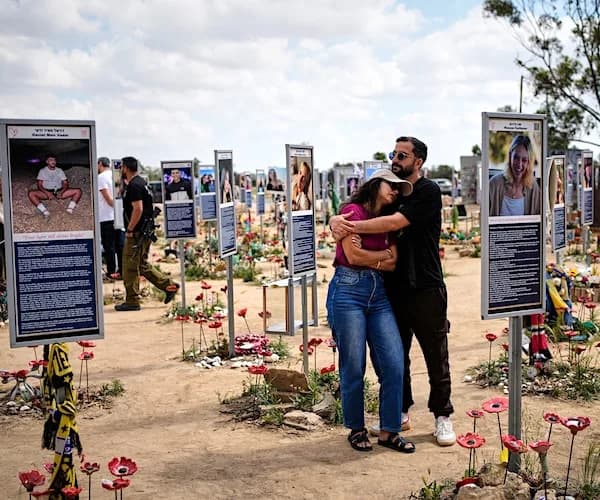
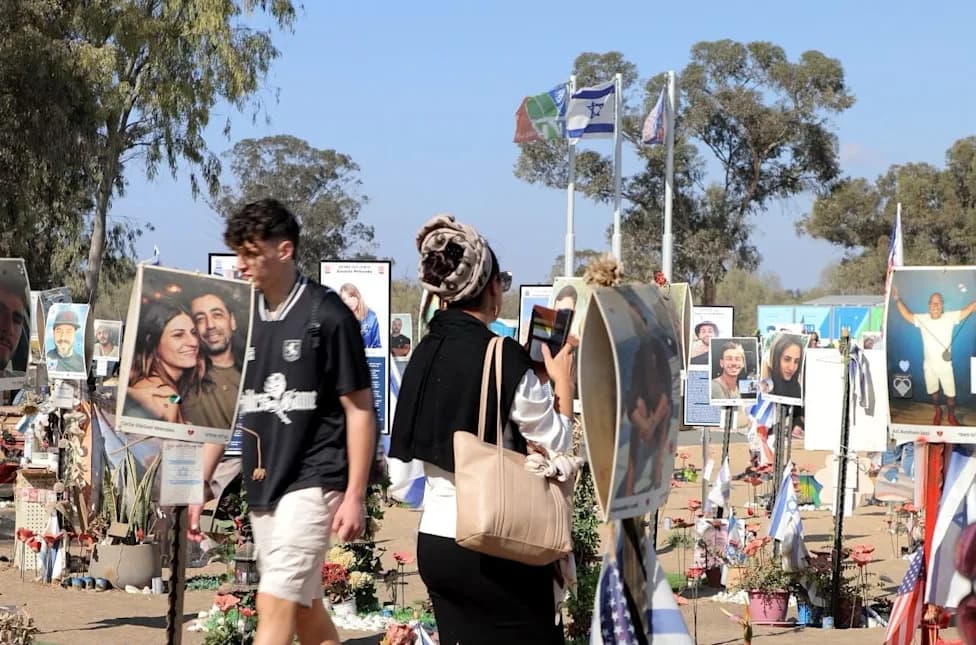
The Nova festival attack on Oct. 7 left nearly 1,200 people dead overall, with the Israeli military estimating that 378 of those killed died at or near the Nova site. The massacre has been followed by reports of long-term trauma among survivors and relatives, and several high-profile suicides have been publicly linked to the event.
In October, Roei Shalev, a 28-year-old Nova survivor who had witnessed the execution of his girlfriend, was found dead in a burning car; before his death he posted that he wanted the suffering to end. Victims' groups have sharply criticised Israel's support for survivors, saying the system forces individuals to prove injuries or trauma rather than offering comprehensive long-term care. A 2024 study suggested nearly 50 survivors had taken their own lives since the wider attack, although Israel's health ministry later questioned that figure because of limited tracking data.
This account is based on reporting by Israeli outlets and statements from family members. Officials and independent sources continue to investigate and confirm details.
Help us improve.