Progressive activists have taken the lead in many Democratic primaries, pushing democratic socialists and sharply progressive candidates into contention in swing states like Michigan and Wisconsin. The piece argues that while this grassroots energy can pay off in some contests, it more often produces nominees who energize the base but struggle with swing and moderate voters in general elections. Examples include Francesca Hong's roughly 22-point primary lead in Wisconsin despite trailing Republican Tom Tiffany statewide, and Abdul El-Sayed leading Michigan's primary while polling worse head-to-head against GOP opponents. The column warns Democrats risk repeating the GOP's 2022 mistakes if ideological purity outweighs electability in winnable races.
Can Progressive Momentum Cost Democrats a Winnable Midterm?
Progressive activists have surged in Democratic primaries across the country, elevating democratic socialists and sharply progressive contenders in several competitive states—most notably Michigan and Wisconsin. While insurgent energy can invigorate the party base, it may also nominate candidates whose views and rhetoric appeal in primaries but struggle in swing-state general elections.
Structural Advantages vs. Primary Risks
The Democratic Party enters the November midterms with notable structural advantages: the out-of-power party historically gains ground in a president's second midterm, and an unpopular incumbent administration can amplify that trend. The piece points to economic disappointments, higher fuel prices tied to global events, and hardline immigration policies as factors that have mobilized Democratic voters.
Where the Energy Is Heading
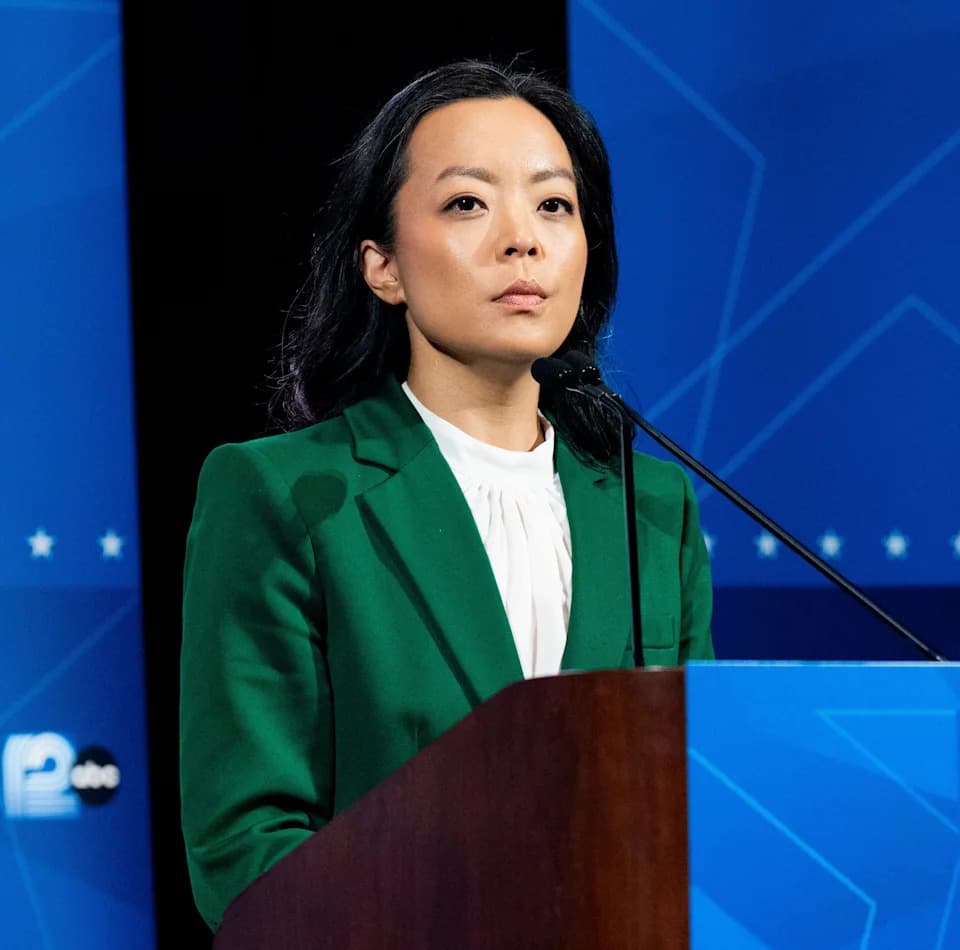
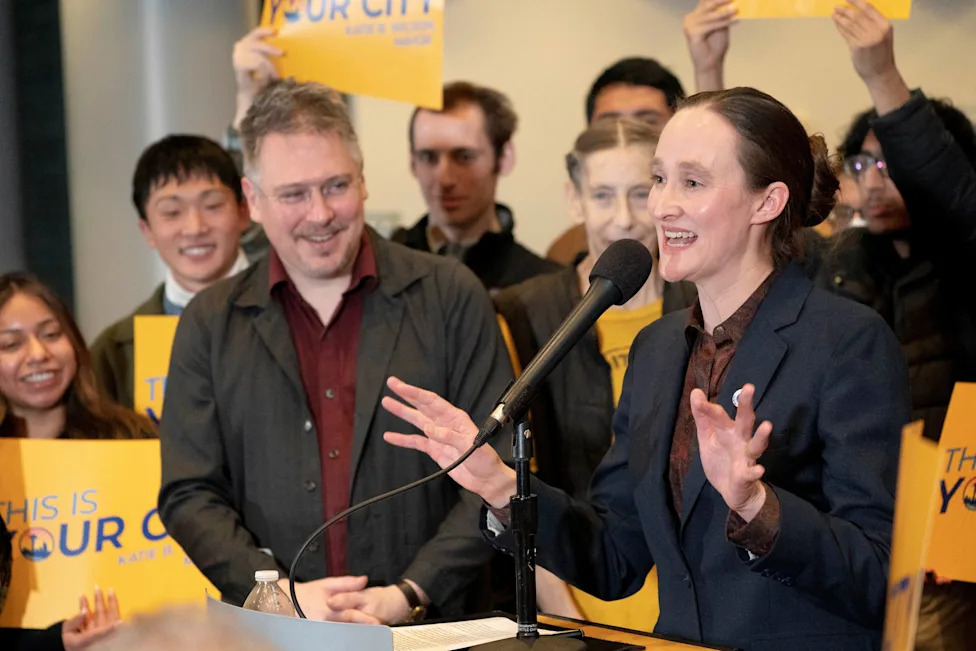
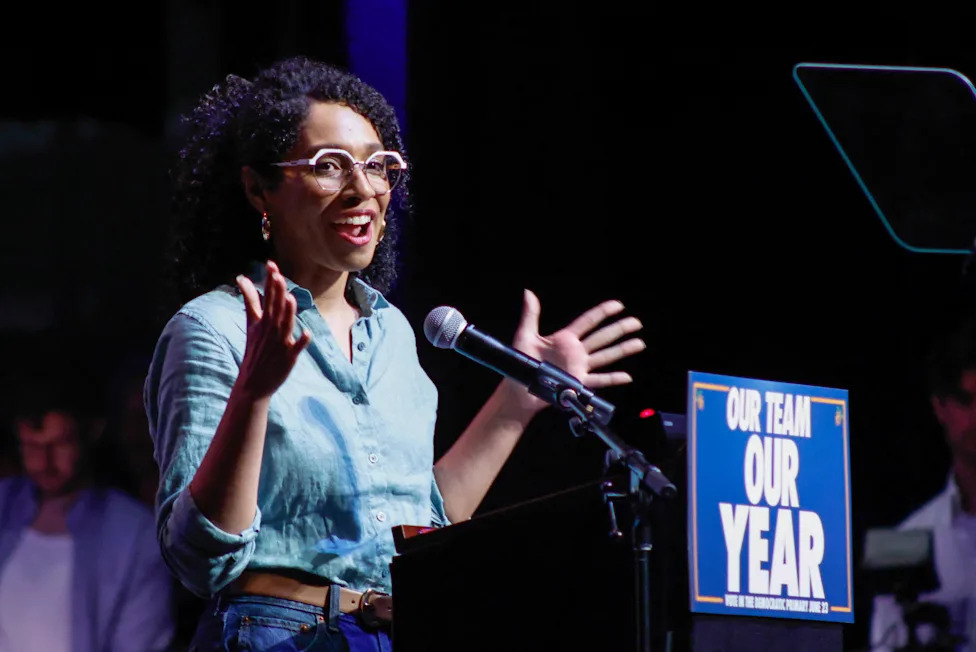
That energy, however, appears increasingly channeled toward candidates on the left flank of the party. In Wisconsin, Francesca Hong — described by many as a democratic socialist — has opened roughly a 22-point lead in the Democratic primary field, helped in part by rivals' campaign missteps. Her policy platform (including opposition to data-center expansion and a pledge for universal free childcare) plays strongly in liberal strongholds such as Madison, but statewide polling shows her trailing Republican Rep. Tom Tiffany.
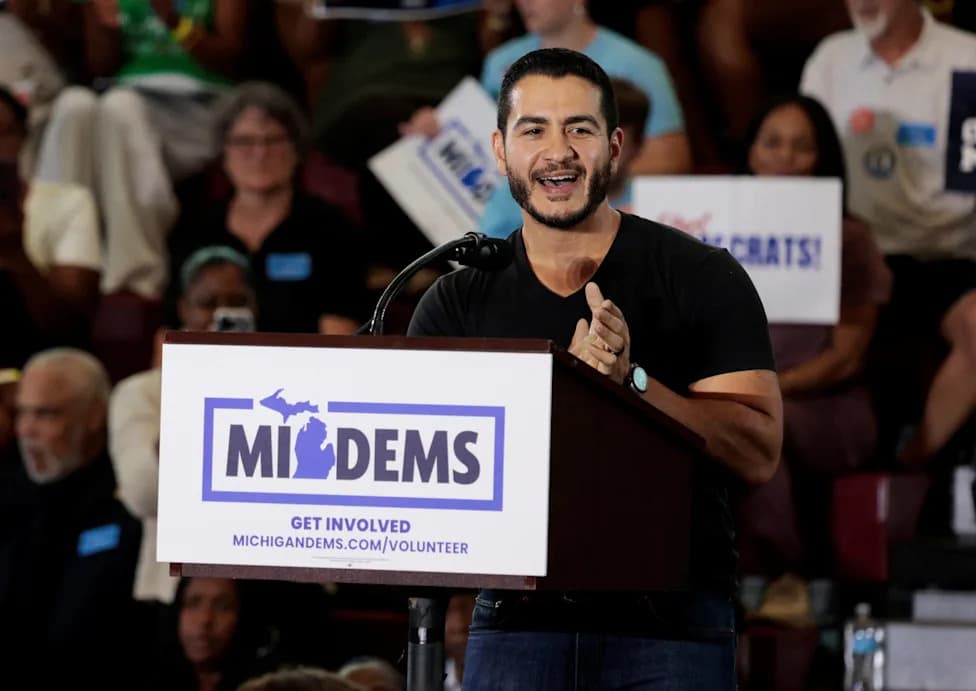
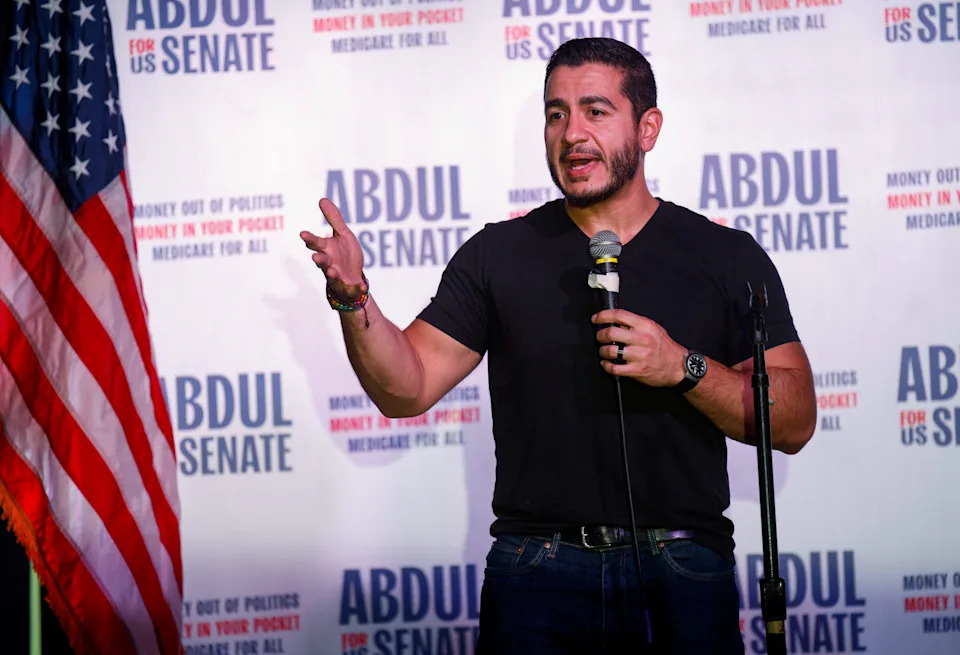
In Michigan, progressive contender Abdul El-Sayed leads the Democratic primary despite rejecting the "socialist" label. El-Sayed has high-profile progressive endorsements and advocates for universal health care, higher taxes on the wealthy, and abolishing the filibuster to pass major reforms. Polling indicates he performs worse in head-to-head matchups with Republican opponents than establishment favorite Rep. Haley Stevens, and even GOP Senate nominee Mike Rogers has said he would prefer facing El-Sayed.
Down-Ballot Implications
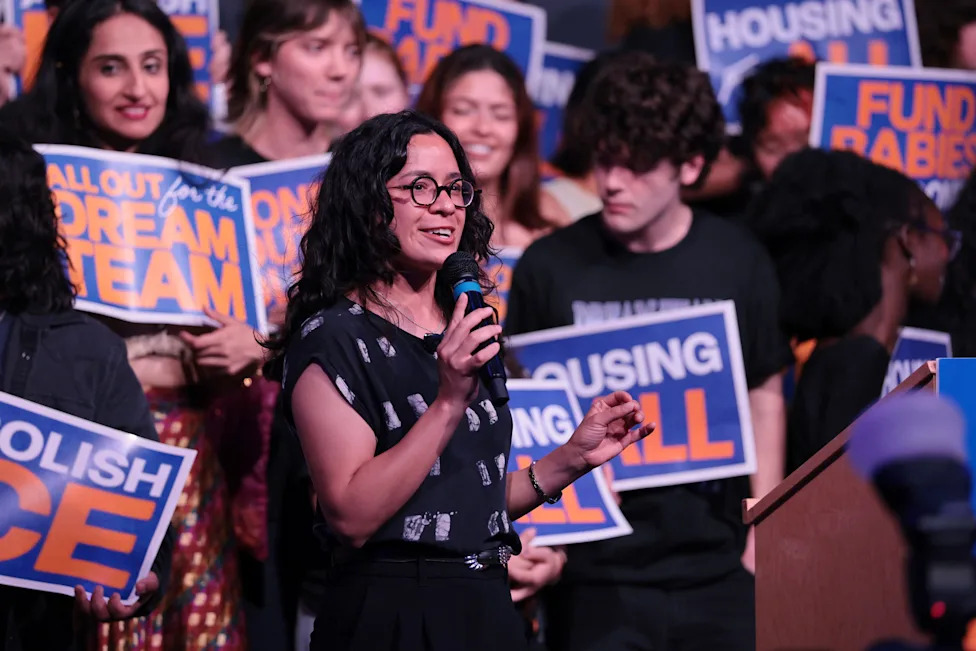
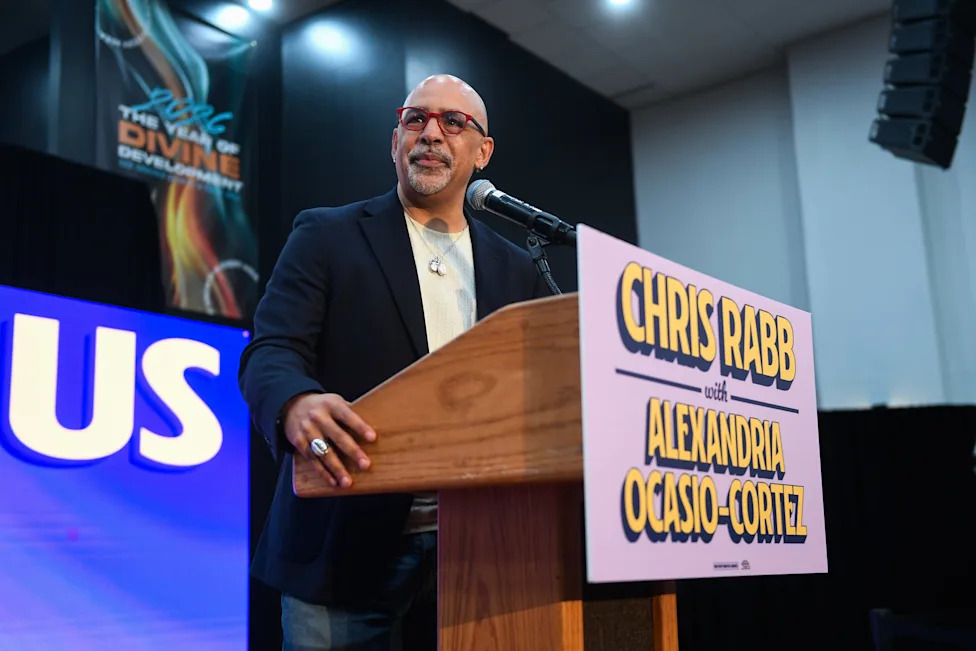
The risk extends beyond gubernatorial and Senate contests to control of Congress. According to reporting cited in the original column, seven candidates endorsed by the Democratic Socialists of America had already won U.S. House primaries, with 11 additional races pending. If several of those nominees carry sharp progressive positions into November, they could struggle to attract swing and moderate voters crucial in tight districts.
Analogy: Republicans' 2022 midterm underperformance illustrates the danger. Many Trump-endorsed candidates energized the GOP base but alienated moderates—costing the party winnable races in Georgia, Arizona and Pennsylvania and blunting expected gains.
What This Means for November
Primary voters often reward distinctiveness: candidates who stake out bold positions stand out in crowded fields. But those same positions can be liabilities in general elections where persuadable independents and moderate voters decide outcomes. If Democrats nominate nominees perceived as ideologically extreme in competitive districts and states, the party risks converting a structural advantage into missed opportunities.
Conclusion: Progressive enthusiasm has reshaped Democratic primaries and produced compelling, energized candidates. The central question for the party is whether that enthusiasm will translate into November victories or whether ideological purity in primaries will cost Democrats a winnable midterm.
Dace Potas is an opinion columnist for USA TODAY.

Help us improve.