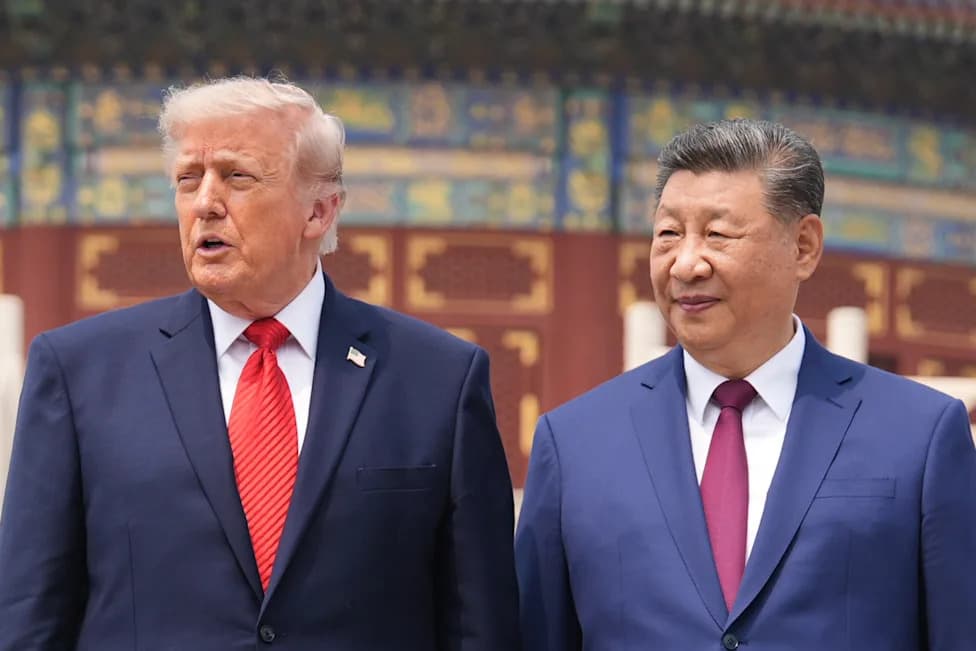
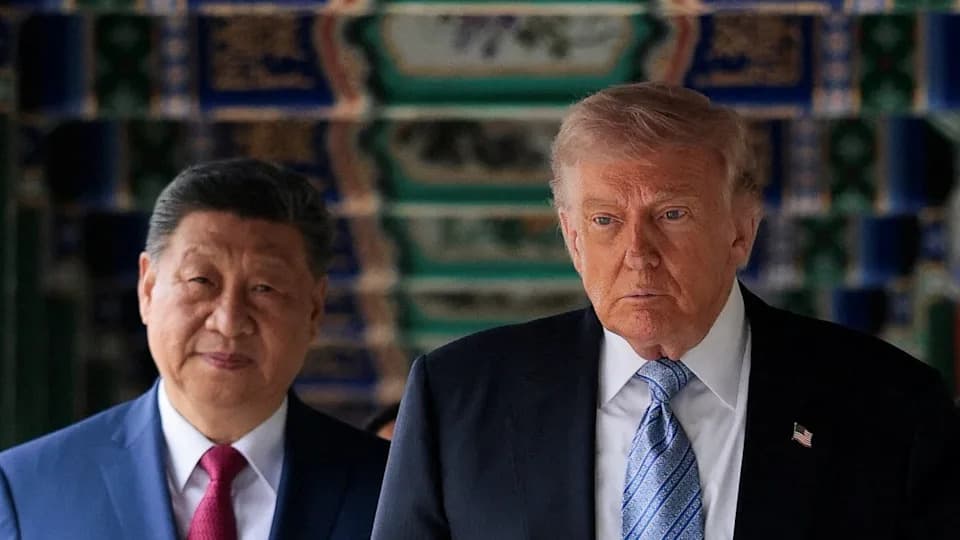
Beidaihe, a modest seaside town about 186 miles (300 km) east of Beijing, has hosted China’s senior leadership as a secret summer retreat since the 1950s. Security tightens each July and top officials, including Xi Jinping, typically withdraw from public view for about 10–14 days in early August. The town’s plain villas and unpretentious atmosphere fit official messaging about modesty and anti-corruption, even as Beidaihe retains symbolic political importance and a rich historical legacy.
Saint-Tropez? No Thanks — China’s Leaders Retreat to Humble Beidaihe for a Secret Summer Break
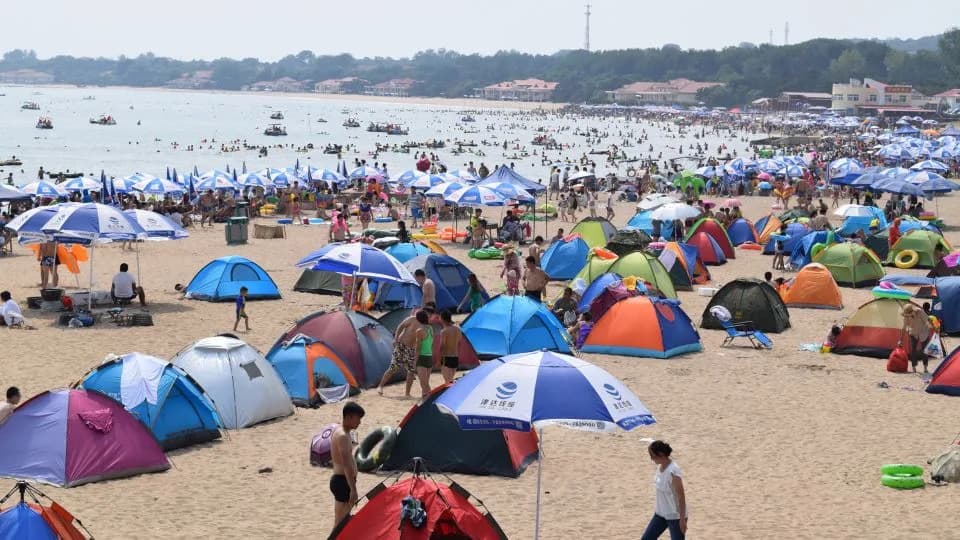
Crowds of Chinese families enjoy sunbathing and swimming on an ordinary summer day in Beidaihe. - Johnny Erling
Each summer, while some of the world’s wealthiest vacation in Saint-Tropez and Monaco, China’s top leaders slip away to a very different seaside town: Beidaihe. About 186 miles (300 kilometers) east of Beijing, this modest resort doubles as a popular family destination and the traditional, tightly controlled summer refuge for Communist Party officials.
Heightened Security And A Quiet Break
Security around Beidaihe typically tightens in early July: drones are banned, hot-air balloon rides and private coastal boat trips are restricted, and police presence grows more visible. Then, usually at the start of August, President Xi Jinping and several senior aides disappear from public view for roughly 10–14 days. There is rarely an official announcement; public engagement during that interval is normally limited to urgent national matters such as natural disasters.
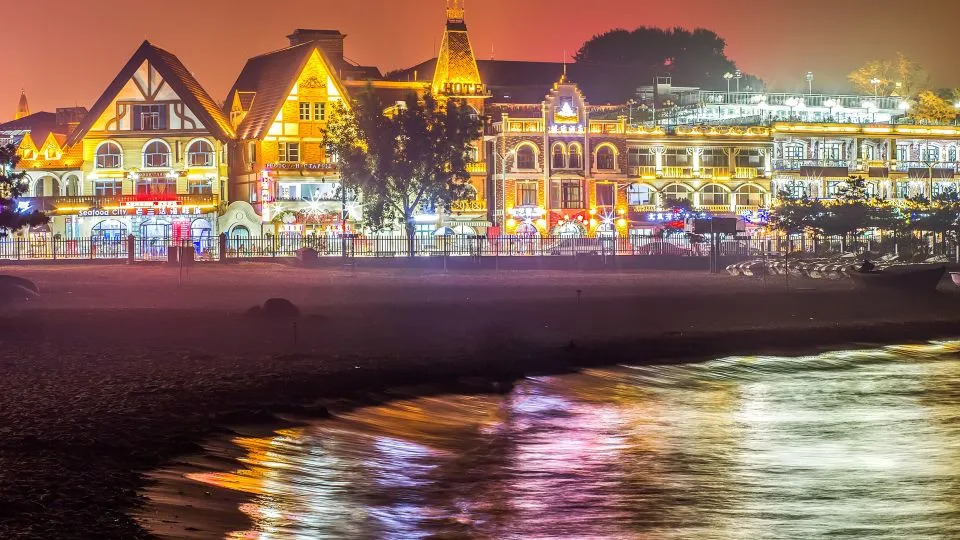
Beidaihe is around 186 miles (300 kilometers) east of Beijing. - DuKai/Moment Open/Getty Images
Modesty As Messaging
Beidaihe’s low-key character — gray Soviet-style villas, pebble paths, simple neon-lit seafood restaurants and umbrellas on the shore — aligns with messaging about austerity and anti-corruption. "They don't want to look like they're going to any kind of fancy place where corruption might be possible," said Rana Mitter, a historian of modern China. Visiting a humble seaside resort suits political optics more than a luxury getaway would.
"Going to a very traditional, quite humble resort is a good way of symbolizing that," — Rana Mitter
History, Politics And Seaside Scenery
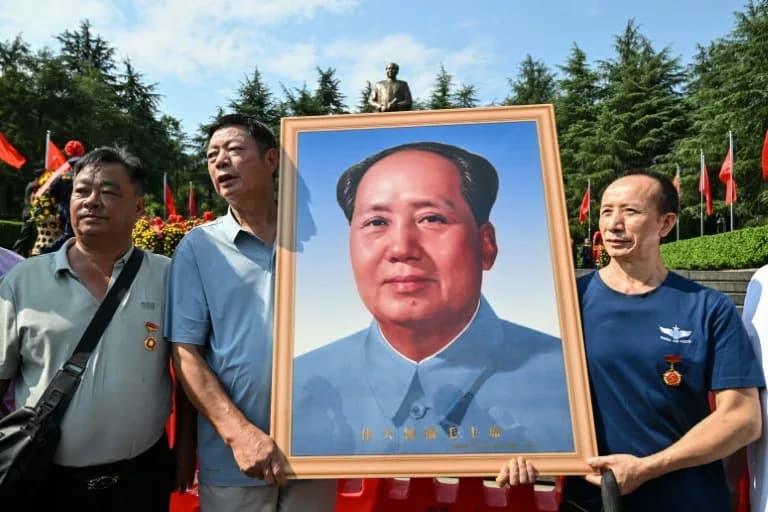
Beidaihe’s political role dates to 1953, when Mao Zedong established it as a summer workplace for senior leaders. One consequential meeting there in 1958 helped set ambitious production targets that became part of the policy push known as the Great Leap Forward, whose economic missteps and famine had catastrophic human costs.
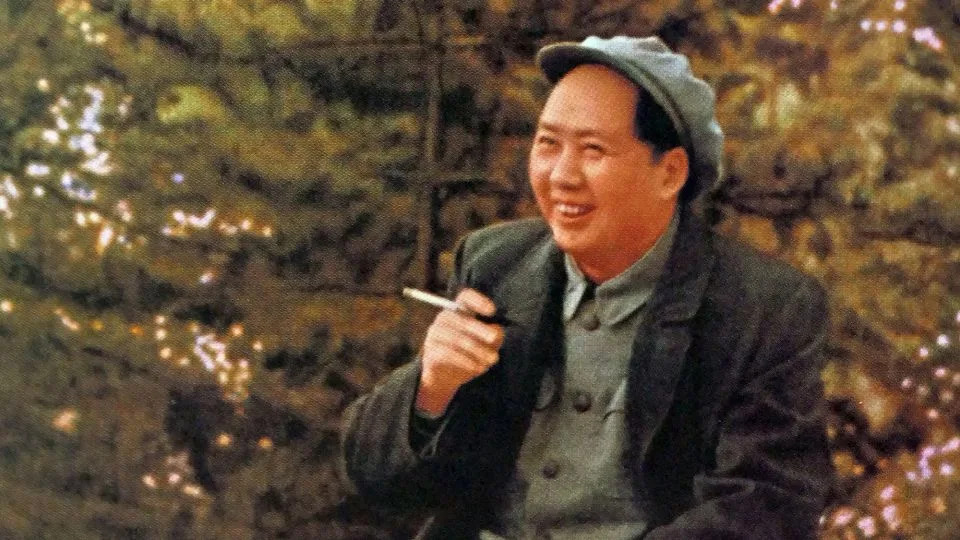
PRC's founding father Mao Zedong loved going to Beidaihe in the summer. His senior officials followed suit and they established a summer office. - Universal History Archive/Getty Images
Retreats paused during the Cultural Revolution and resumed after Mao’s death in 1976. Deng Xiaoping vacationed with his family in Beidaihe and in the 1980s helped open the resort to foreign tourists. Over time the town evolved into layered zones of access: private compounds reserved for senior officials, more accessible areas like the Aranya development favored by younger visitors, and ordinary public beaches and promenades.
Modern Rituals And Diminishing Political Centrality
In recent decades, the role of Beidaihe in elite politics has changed. Under Xi Jinping, gatherings in the town have grown more opaque. Xi’s chief of staff, Cai Qi, convenes dozens of prominent academics there each year to discuss priorities such as artificial intelligence, and the timing of those meetings is often taken as a hint of when senior leaders will be away. At the same time, some observers say Beidaihe’s practical political influence has waned as power centralizes in Beijing.
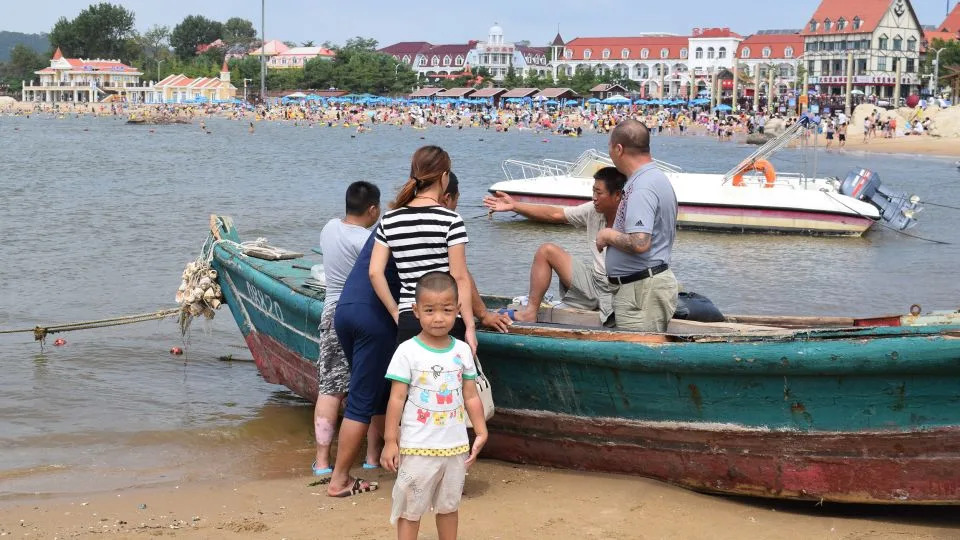
A child stands by a fishing boat and gazes shyly at the camera. - Johnny Erling
Local Color And International Visitors
Despite the secrecy surrounding the leadership compounds, Beidaihe remains a popular destination: the town reportedly draws roughly 50 million domestic tourists a year and about 50,000 Russian visitors annually. Its coastline is not billed as Asia’s most spectacular, but its mix of history, modest resort life and proximity to Beijing make it attractive — particularly before the era of fast air travel.
Visitors also encounter historical landmarks: from views toward Shanhai Pass (the eastern end of the Great Wall) to villas once occupied by senior figures. Among them was Lin Biao, the marshal who fell from favor and died in a 1971 plane crash after a suspected attempted power struggle — an episode that remains controversial among historians. Mao even wrote a poem about the town, "Langtaosha: Beidaihe," using the stormy sea as a powerful historical metaphor.
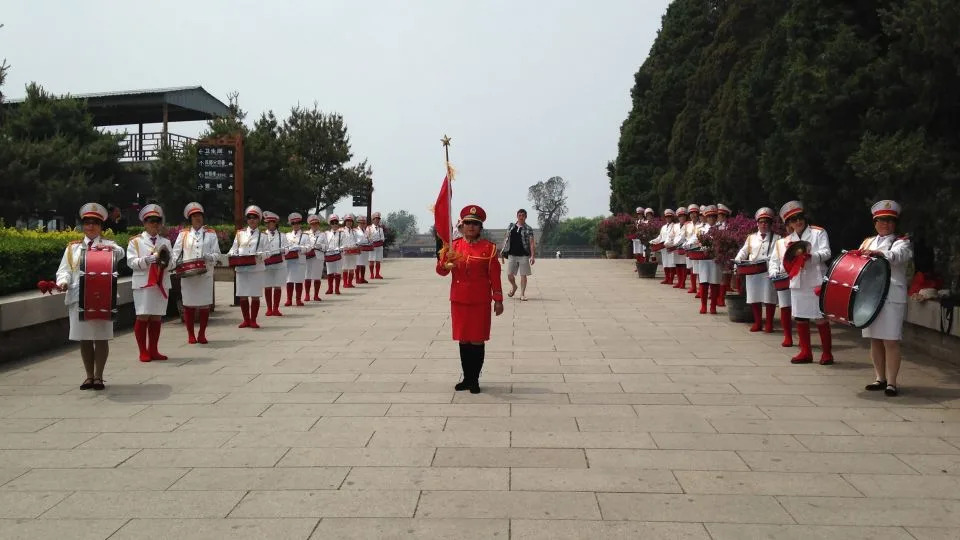
Wang Jiang said he spotted this group of women beating their drums in Beidaihe. - Wang Jiang
Observers' Perspectives
Foreign reporters and long-time observers have treated Beidaihe as a symbolic "black box" for Chinese politics. Johnny Erling, a retired German journalist who visited the town repeatedly, recalled blending tourist visits with attempts to observe the leadership zone and encountering warnings from police who sometimes filmed or radioed when foreigners approached restricted areas.
Local residents describe a tiered experience: the highly private enclaves for senior officials, the more trendy Aranya development for younger professionals and visitors, and ordinary public spaces for families. For many Chinese, Beidaihe today is simply a convenient place to relax — yet its seasonal security increases, historical legacy and recurring role in political ritual keep it prominent in the national imagination.
Reporting note: This article synthesizes historical records, expert commentary and first-hand reports to describe the town’s history, importance, and contemporary role.
Help us improve.