ERCOT warns Texas could need about 175,000 megawatts by 2032 — nearly double the recent peak — as data centers, population growth and industry push electricity use higher. Recent records (91,308 MW peak) were managed in part because solar supplied over 45% at times and batteries discharged a record 11,980 MW. Regulators say a broader mix of resources, including dispatchable gas plants backed by a $10 billion Texas Energy Fund, will be needed to avoid more frequent scarcity events.
Texas Grid Could Need Nearly Twice the Power by 2032 — Solar and Batteries Help Now, But a Broader Mix Is Required
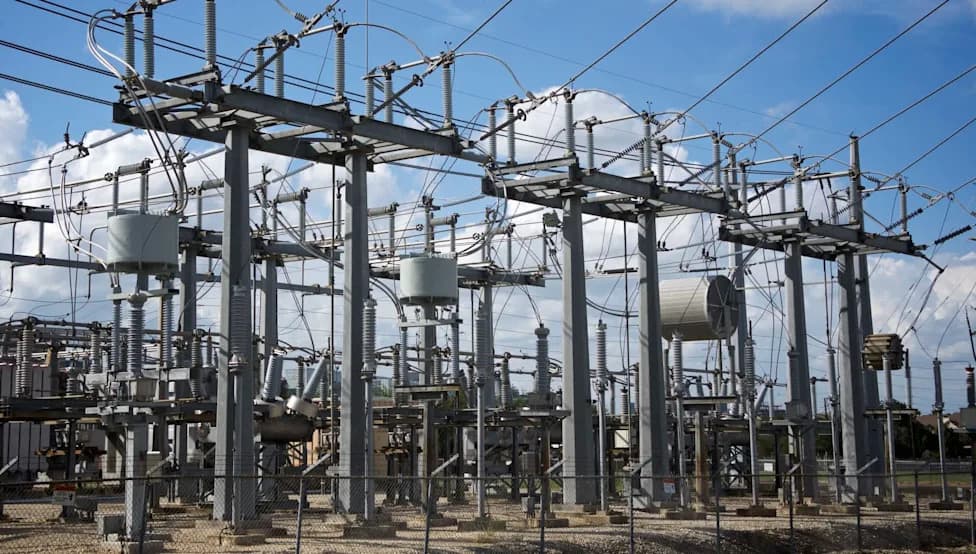
Photo Credit: iStock
Texas recently set new summer records for electricity demand, but state officials warn that the bigger challenge lies ahead: ERCOT now forecasts the grid may need roughly 175,000 megawatts by 2032 — nearly double last week's new peak.
ERCOT Outlook and Recent Records
The Electric Reliability Council of Texas (ERCOT) projects electricity use will climb sharply over the next six years as data centers expand, population and industrial activity grow. The grid hit new daily demand highs last week, culminating in 91,308 megawatts on July 22 after a consecutive-day record the day before. ERCOT did not ask Texans to conserve power during those peaks.
A significant reason the system held up was the recent buildout of solar generation and battery storage. Solar at times supplied more than 45% of Texas' electricity during the heat wave, and batteries set a discharge record of 11,980 megawatts. ERCOT CEO Pablo Vegas said about 16,000 megawatts of new generation — largely solar and batteries — came online last year.
Why Demand Is Rising
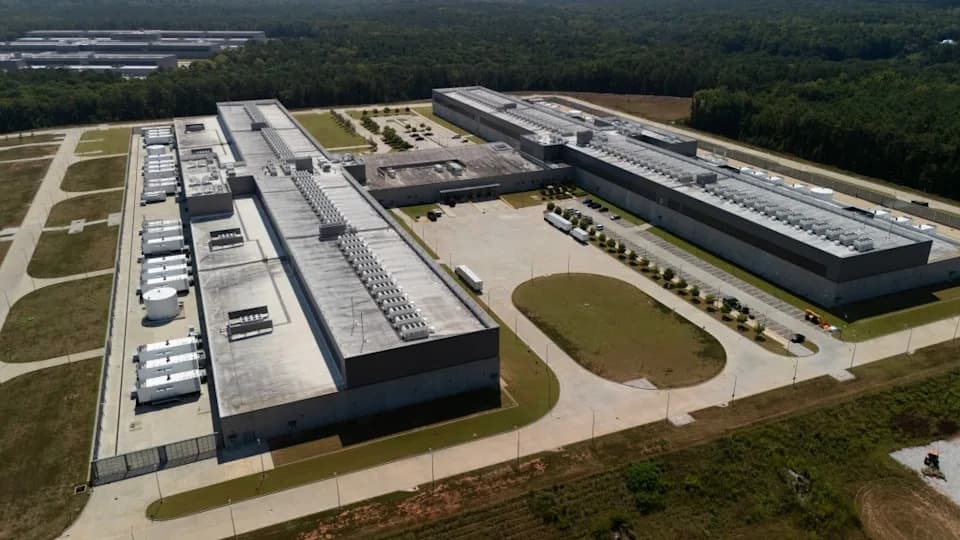
Data centers are a major driver of the expected surge in electricity use. Many new facilities are being built to support artificial intelligence workloads, which can yield benefits such as faster research, improved logistics, and tools that help utilities manage demand and integrate clean resources. But large AI-focused data centers also bring trade-offs: they can consume substantial power and water, stress local infrastructure, raise local electricity costs, and create oversight and security challenges if governance does not keep pace.
Policy Responses and the Need for a Diverse Generation Mix
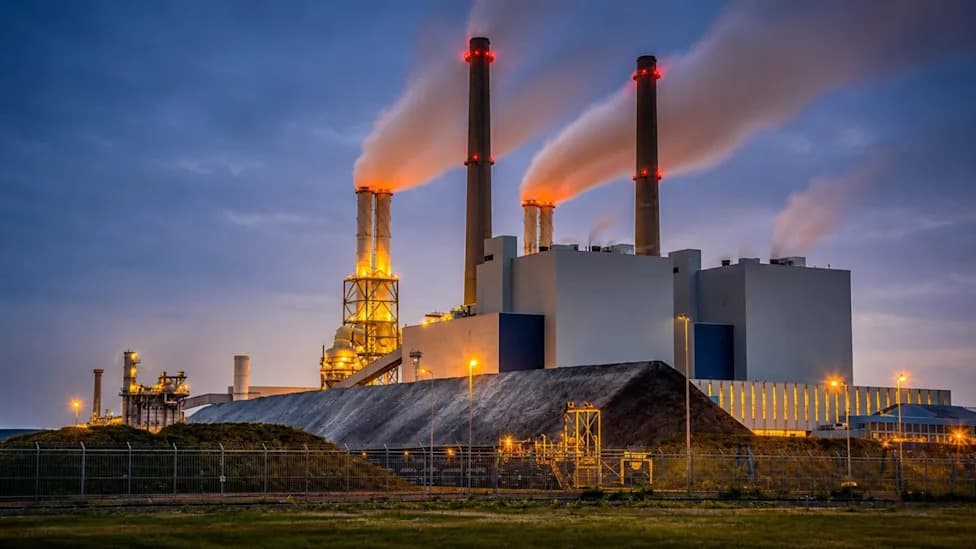
Regulators emphasize that no single resource will solve the coming challenge. Solar and batteries are proving especially valuable during afternoon peaks, while wind tends to strengthen overnight. Still, officials say the state will likely need more dispatchable capacity — plants operators can turn on when needed — particularly natural gas-fired units to meet demand after sunset when solar output wanes.
"We hit an all-time peak, and we had no issue hitting that peak," said Thomas Gleeson, chair of the Public Utility Commission of Texas.
"If that continues while load grows very rapidly, we're going to get to a place where we have a lot more scarcity events," warned ERCOT CEO Pablo Vegas.
To encourage dispatchable capacity, Texas lawmakers in 2023 created the $10 billion Texas Energy Fund to provide low-interest loans for new gas plants. Gleeson said projects representing about 5,000 megawatts have already been approved and roughly 2,300 megawatts remain under review. ERCOT is also revising demand forecasts after earlier long-term estimates were criticized for underestimating rapid growth from large-load customers such as data centers.
What This Means For Texans
For households and businesses, grid reliability affects whether air conditioners can run during dangerous heat, influences electricity bills, and touches public safety. If dependable supply does not keep pace with rising demand, scarcity events could become more frequent, pushing prices higher or increasing the risk of outages — especially in the evening and overnight hours as solar generation declines.
Help us improve.