Riot Games replaced a three-days-per-week office mandate with a flexible, team-driven expectation of roughly three days per month. After seven months the company reports higher attendance and productivity, attributing gains to greater team discretion and an improved on-site experience (commissary, snack stations, Bilgewater Brew coffee bar, Thunderdome hackathon and Red Talks). Industry data show L.A. office attendance lags the national average, while tactics like “coffee badging,” “ghost booking” and some intrusive monitoring approaches complicate return-to-office strategies.
How Riot Games Relaxed Return-to-Office Rules — And More Staff Returned

An LA company pivoted from a three-days-per-week requirement to a roughly three-days-per-month expectation, with each team leader deciding when more attendance is mandatory depending on when people need to be in person with their team. Annette Riedl/dpa
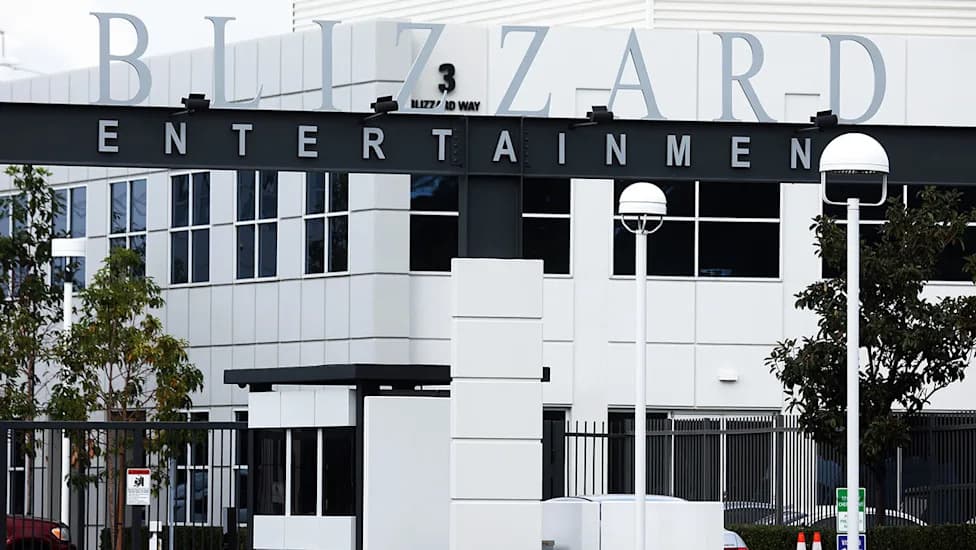
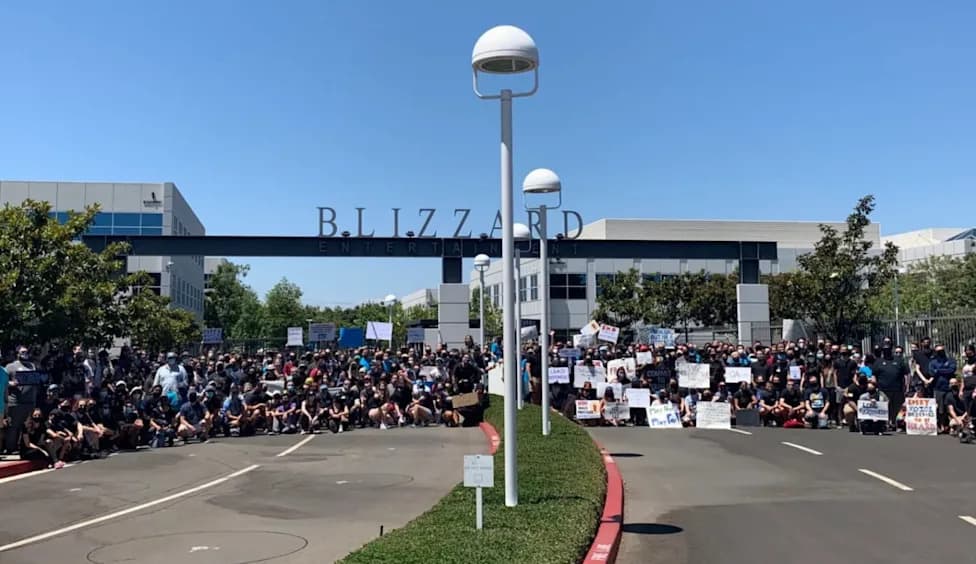
Riot Games, the Los Angeles developer behind the hit multiplayer title League of Legends, quietly overhauled its return-to-office policy in January — abandoning a rigid three-days-per-week mandate in favor of a much lighter, team-driven approach. Rather than insisting staff be in the office on Tuesdays, Wednesdays and Thursdays, Riot now expects roughly three days per month in-office, with team leaders empowered to require additional in-person time when collaboration or key moments demand it.
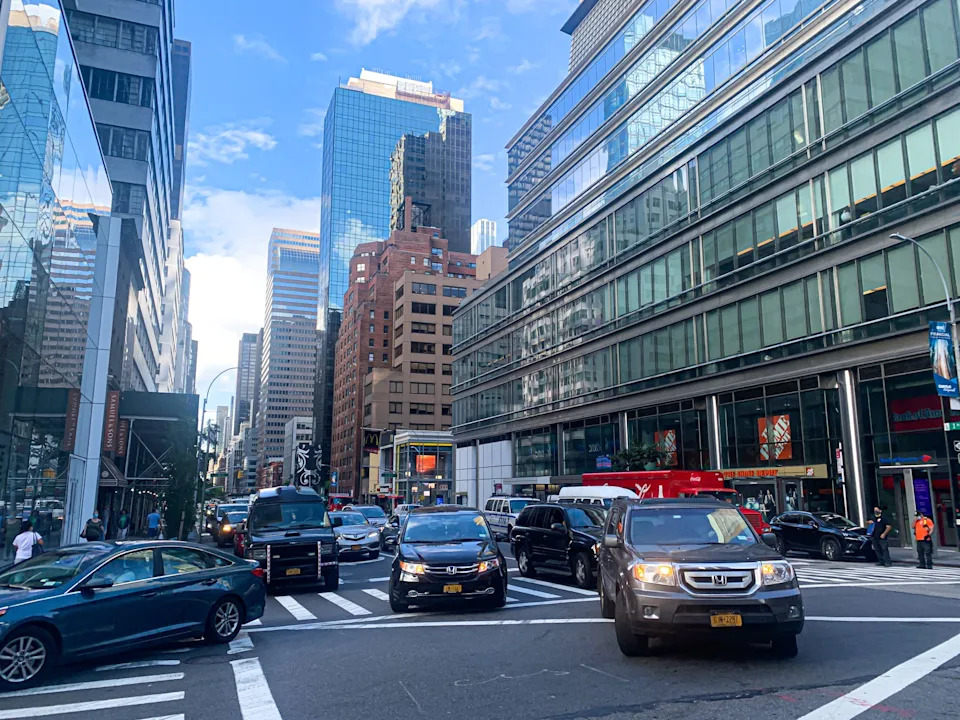
Staff at some US cities are reluctant to return to the office and workplaces are providing perks as incentives. They are particularly important in Los Angeles and other metropolitan areas where many are stuck in more than an hour of traffic to and from work. Onerous commutes lead to lower occupancy rates. Niyi Fote/Zuma Press/dpa
Why Riot Changed Course
Riot's leadership concluded the company-wide cadence was too inflexible and was undercutting morale and productivity for many teams. "The company-wide cadence was too rigid and didn't reflect the different ways teams work and didn't bring people together for the moments that could have the most impact," Riot President Hoby Darling said. The aim, he added, was not to layer on rules but to create "the environment where Riot is the best place to make games."

The Los Angeles metropolitan area and other big California population centers are below the national average in office attendance, according to Kastle Systems, which tracks badge swipes. Michael Kappeler/dpa
Early Results
Seven months after the policy shift, Riot reports improved outcomes: both attendance and productivity have risen. The company says 2026 attendance at its L.A. campus is trending about 15% above prior-year averages, with more employees working together in person than at any time since the company’s return in 2022. Darling said teams are using their in-office time with "greater intention."

A game made by LA company Riot Games which tweaked its policies for greater flexibility. Riot Games/dpa-tmn
Perks And A Purposeful Office Experience
Riot has invested heavily in its Olympic Boulevard campus to make on-site work appealing. The facility, serving roughly 2,600 L.A.-based employees, features a free commissary, abundant snack stations and specialty spots like Bilgewater Brew, an ornate coffee bar inspired by a League of Legends locale. Riot also runs programs designed to spark collaboration and creativity, including a hackathon called Thunderdome and internal "Red Talks" modeled on TED-style presentations.
Industry Context: Commuting, Perks And Surveillance
Data from Kastle Systems, which monitors badge swipes, show Los Angeles and other large California metros lag the U.S. average for office attendance: L.A. was at 47% in early July versus a national average of 53% and 73% in Austin. Employers have tried a mix of incentives (free food, coffee bars) and stricter mandates — and some have turned to surveillance measures, including Wi‑Fi location tracking, monitoring company phones or even keystroke tracking to verify presence.
"Offices aren't being abandoned; they're actually just being redefined," Paul Morgan, global chief operating officer for real estate services at JLL, said. He also warned that punitive measures rarely work long-term: "The stick doesn't really work well long term."
Games Employees Play: Coffee Badging And Ghost Booking
Workers have developed tactics to appear compliant without staying all day. "Coffee badging" refers to swiping in, grabbing a drink and leaving to finish work elsewhere. "Ghost booking" involves reserving rooms or desks that go unused; JLL estimates more than a third of bookings may be made by people who never actually use them. These workarounds underscore the tension between employer expectations and real-world commuting burdens.
What This Means For Employers
Riot's experience suggests that less prescriptive, team-led rules combined with a thoughtfully designed office experience can increase voluntary attendance and make in-person time more productive. But broader challenges — long commutes, uneven citywide attendance rates and concerns about intrusive monitoring — mean there's no single solution for every company or region.
Help us improve.