Numan Unees, 40, is the first patient in Sheffield and the seventh globally to receive CAR T cell therapy in an early-stage trial for progressive multiple sclerosis. The treatment reprograms a patient’s T cells to target immune cells believed to drive MS and has shown promise in some blood cancers. The safety-focused phase will recruit up to 18 people aged 18–60 who are not responding to current drugs. Researchers and charities say results are preliminary but cautiously hopeful.
CAR T Therapy Gives Sheffield Patient New Hope: "Like Starting a New Life"
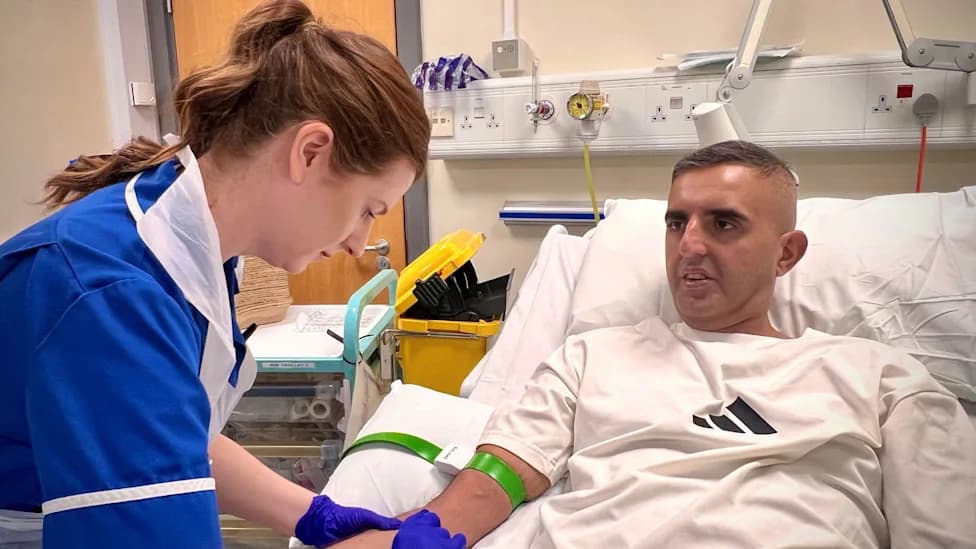
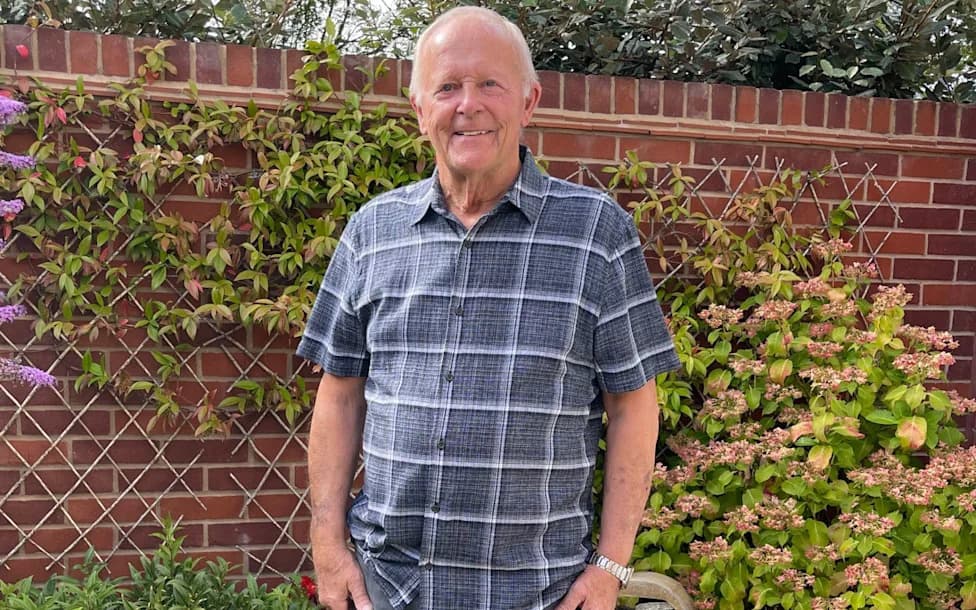
Numan Unees was the first person in Sheffield to take part in the international MS treatment trial [BBC]
Numan Unees, 40, who was diagnosed with multiple sclerosis (MS) six years ago and can no longer walk without assistance, has become the first patient in Sheffield and the seventh worldwide to receive an experimental CAR T cell immunotherapy in a global clinical trial.
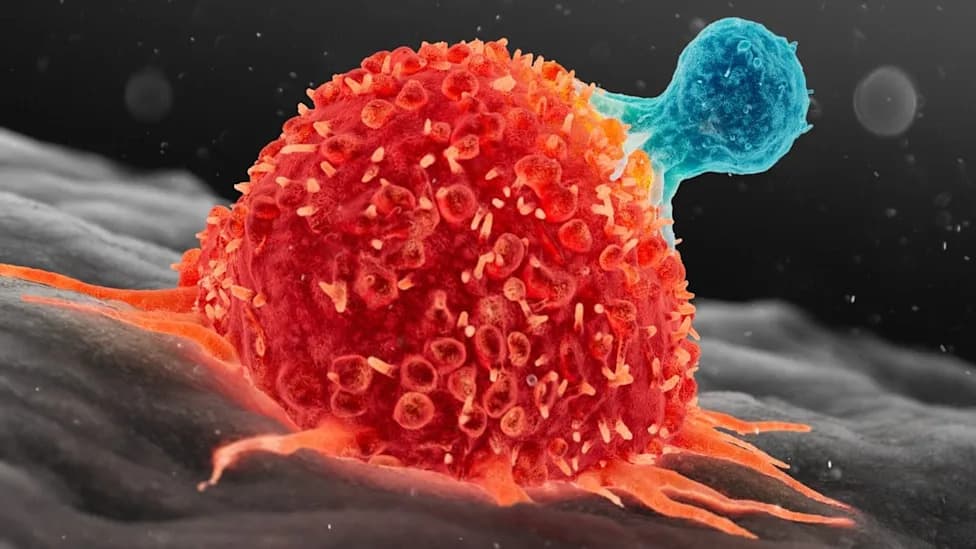
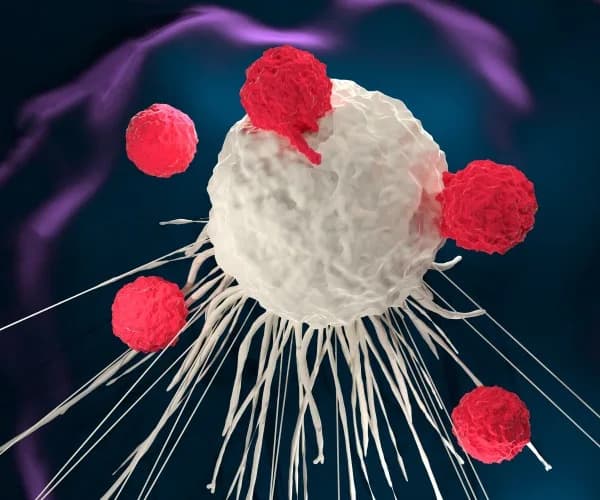
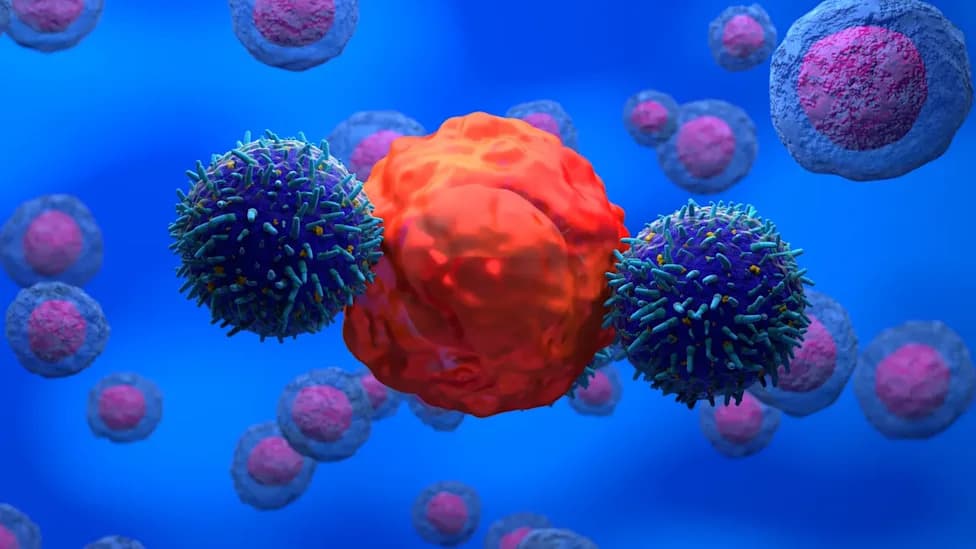
The treatment, originally developed for some blood cancers, involves collecting a patient’s T cells, genetically modifying them in a laboratory and re-infusing them so they can seek out and destroy the immune cells thought to be driving MS. CAR T has produced long-term remissions in some blood cancers, and researchers are now testing whether a similar immune "reset" can halt or slow progressive autoimmune diseases such as MS and lupus.
Early-stage trial and who it covers
The Royal Hallamshire Hospital in Sheffield is one of four UK centres taking part in the trial. The first phase will focus on safety and aims to recruit up to 18 people globally. The study is open to people aged 18–60 with progressive MS whose disability is worsening despite existing treatments.
Voices from the trial
"It gives me hope that it will stop the MS, and from there I can begin the road to recovery with physical activity. We want to get out of bed, and we want to be dancing," said Numan, speaking a month after receiving the therapy.
Caitlin Astbury from the MS Society highlighted that "existing treatments don't work for everyone," adding that while it is still early, "if trial results prove successful, CAR T cell therapy could be a gamechanger for how we treat the condition."
Professor Basil Sharrack, a consultant neurologist at Sheffield Teaching Hospitals NHS Foundation Trust, said the team was "delighted" to have delivered CAR T to their first patient and described the approach as offering a potential one-off immune system reset that could halt progression of disability. Professor John Snowden, an honorary consultant haematologist at STH, called the therapy a novel, potentially "very exciting development," describing the modified white cells as "living drugs" that can target abnormal immune cells.
Safety and next steps
Researchers stress that the trial is in early stages. CAR T therapies can be associated with serious side effects — such as cytokine release syndrome and neurological effects — which is why the initial phase prioritises close safety monitoring. Numan's condition and response to the treatment are being followed closely by the clinical team.
Context
Approximately 150,000 people in the UK live with MS, many diagnosed in their 30s and 40s. If CAR T proves safe and effective for MS, it could offer a fundamentally different approach to treatment compared with long-term immunosuppression: a targeted, one-off intervention to reset aspects of the immune system. For now, the medical community remains cautiously optimistic as the trial proceeds.
Help us improve.