Oxford has begun a controlled challenge trial of a dual‑stage malaria vaccine combining RH5.1+R78C (blood stage) with the existing R21 (liver stage). Thirteen volunteers will receive three doses and then face a deliberate, closely monitored exposure to malaria to test immune protection. The RH5 discovery offered a stable target in red blood cell invasion; pairing blood‑ and liver‑stage vaccines could substantially raise efficacy and help prevent hundreds of thousands of annual deaths if successful.
Oxford Launches Challenge Trial Of Dual‑Action Malaria Vaccine Targeting Liver And Blood Stages
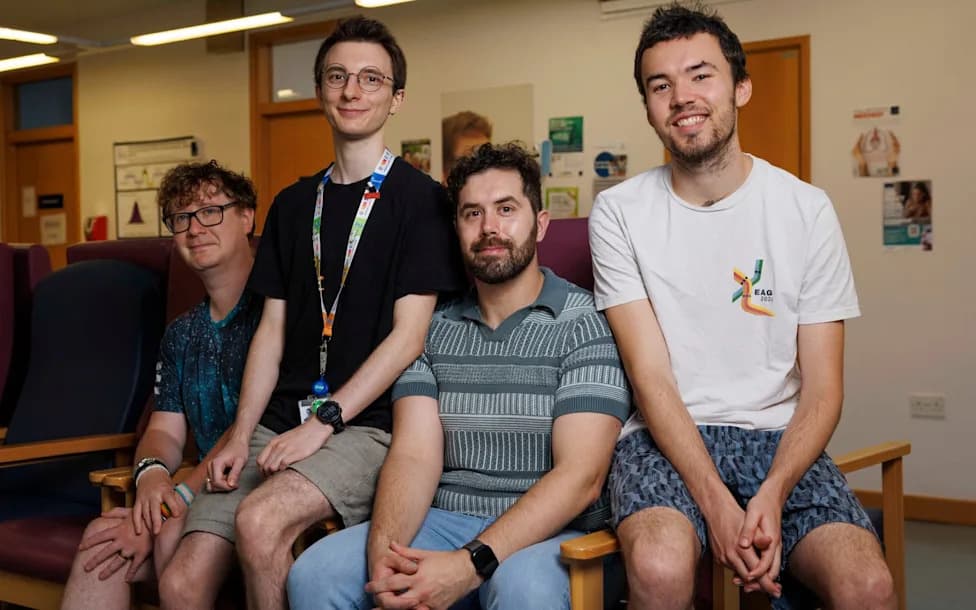
The trial's four volunteers: (L to R) Matt Dale, Crispin Wright, Mike Luciw and Oscar Delaney - Belinda Jiao
A small group of volunteers in Oxford has begun receiving an experimental combination malaria vaccine designed to block the parasite at two crucial stages of infection. The trial tests an RH5-based blood‑stage formulation (RH5.1 + R78C) intended to be paired with the existing R21 liver‑stage vaccine to deliver a combined defence against malaria.
What Researchers Are Testing
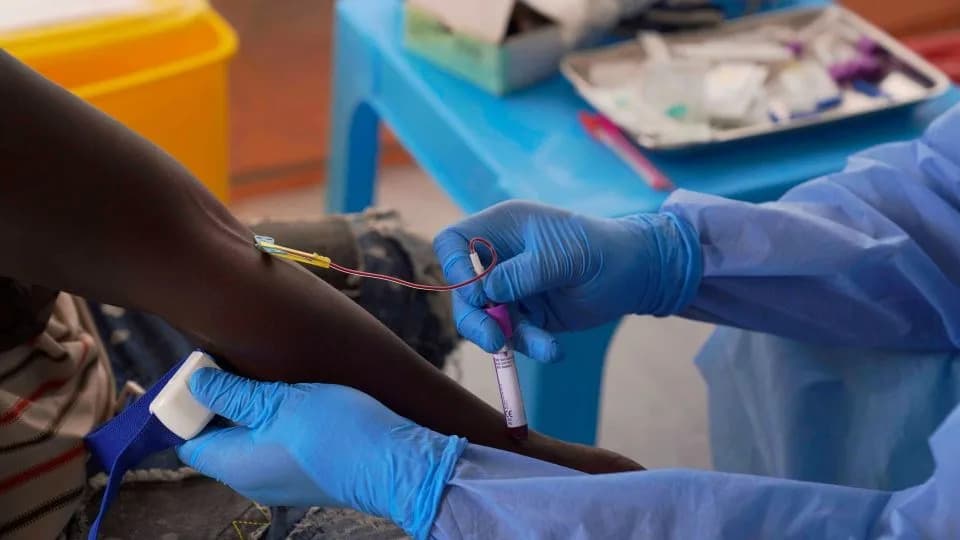
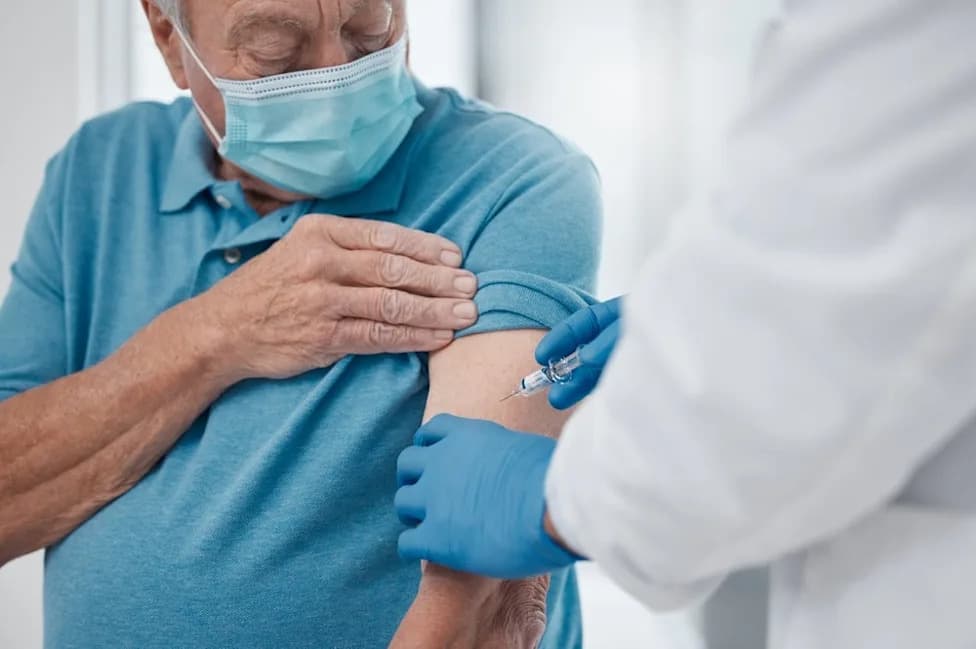
The study, led by Professors Simon Draper and Angela Minassian at the University of Oxford, enrolls 13 volunteers who will receive three doses of the RH5.1+R78C vaccine. After vaccination, participants will undergo a controlled human malaria infection—deliberate, closely monitored exposure to the parasite—to measure how effectively the immune response prevents infection and disease.
Why This Approach Matters
Current licensed vaccines such as RTS,S/AS01 (GSK) and R21/Matrix‑M mainly target the parasite as it travels to the liver and provide partial protection. The RH5 discovery in 2011 revealed a stable protein essential for the parasite to invade red blood cells, offering a rare, unchanging target in the bloodstream. Combining a liver‑stage vaccine with RH5‑based blood‑stage candidates aims to create two lines of defence: if one stage is breached, the other can stop progression to disease.
Scientific Challenges
Malaria is caused by a single‑celled parasite with extreme biological complexity — more than 5,000 genes and multiple changing surface proteins — which has made finding reliable vaccine targets difficult. RH5 and a handful of related stable proteins appear to be genuine vulnerabilities amid the parasite's many shapeshifting components.
Trial Context And Expectations
Previous field data indicated RH5.1 achieved roughly 55% efficacy in certain settings; adding R78C and pairing blood‑stage candidates with R21 may increase protection. Researchers hope the combined approach could deliver substantially higher efficacy — with an aspirational target of >90% protection in African children — and thereby reduce the roughly 600,000 malaria deaths recorded annually.
Volunteer Experience And Safety
Volunteers such as Mike Luciw and Matt Dale have described their reasons for joining as a mix of scientific contribution and practical incentives; trial participants receive compensation and are closely monitored for safety. Laboratory safety testing preceded the human challenge; nevertheless, these controlled infection studies are intensive and conducted under rigorous clinical oversight.
Next Steps
Additional combination trials are already underway in Burkina Faso, and results from those field studies and the current challenge trial are expected late this year or early next. If the dual‑stage vaccine approach proves safe and highly effective, it would represent a major advance in the global fight against malaria.
“The dream for malaria … has been to have these two lines of defence, liver and blood, so if the first line fails, you've got a second,” — Prof Simon Draper.
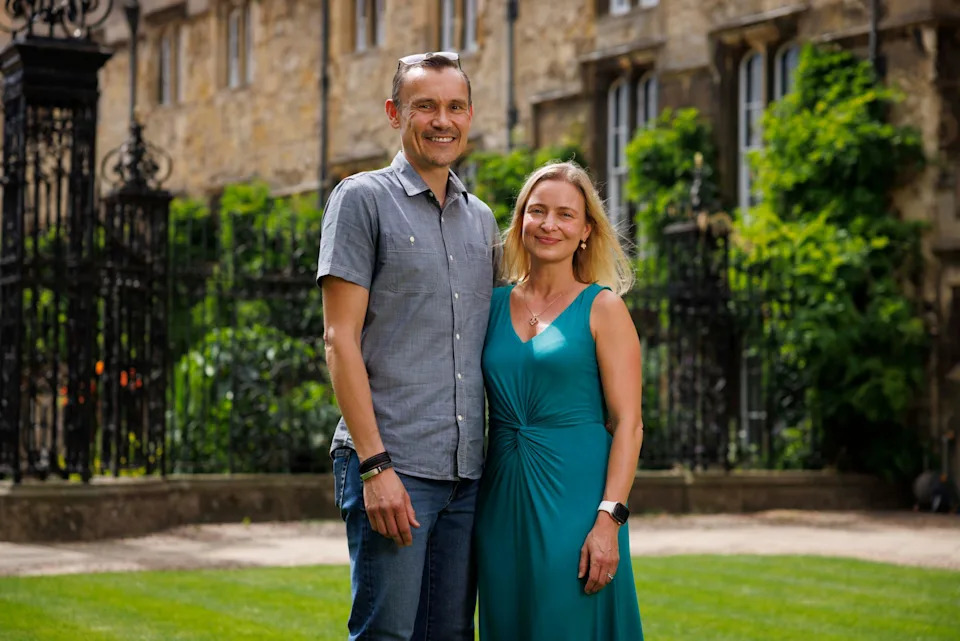
Simon Draper and Angela Minassian at Merton College, Oxford, where they were married 15 years ago - Belinda Jiao
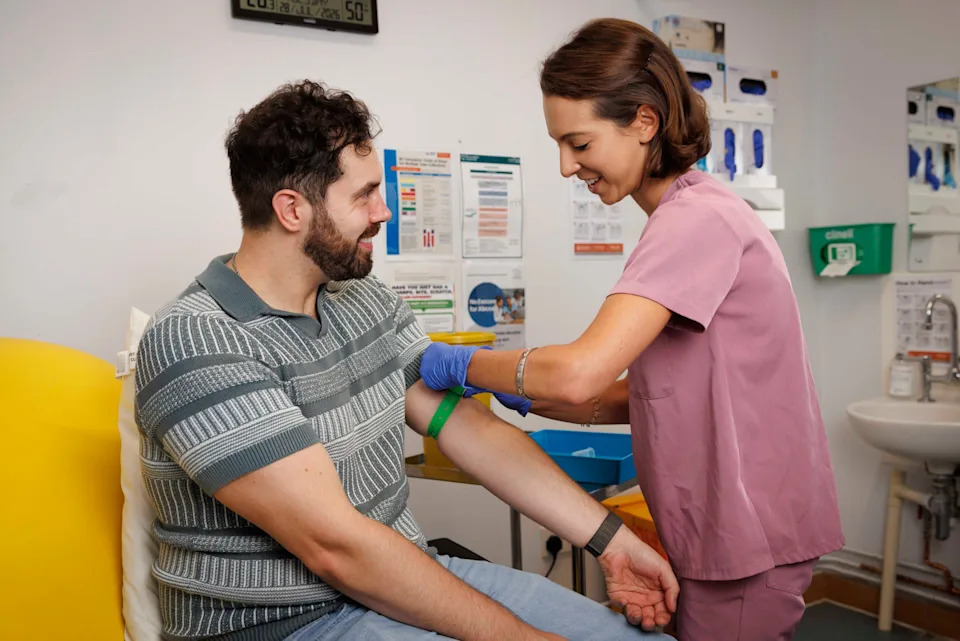
Dr Jennifer van Heerden prepares to draw blood from volunteer Mike Luciw - Belinda Jiao
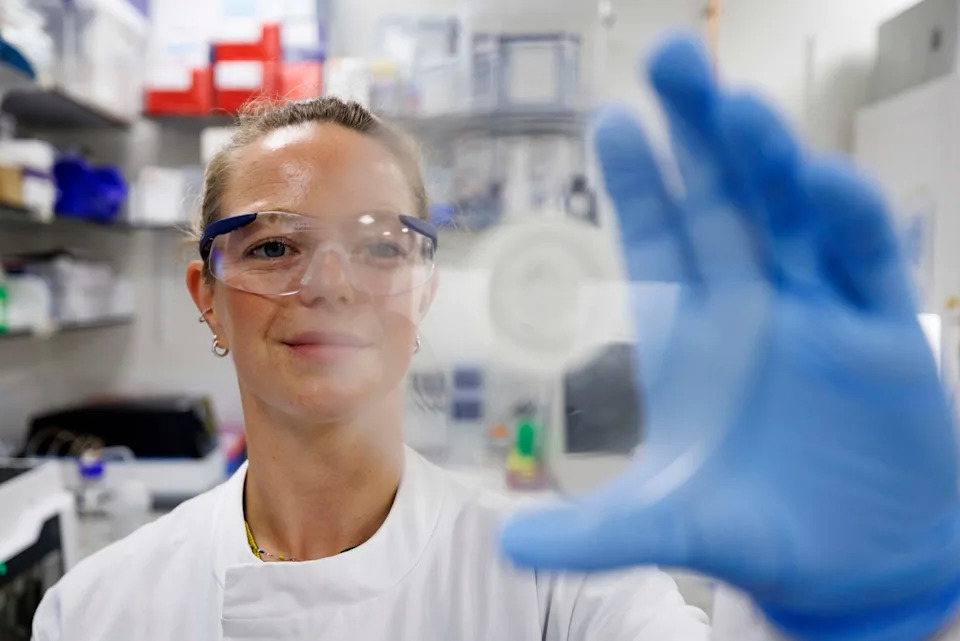
Sarah Silk, co-clinical lead at the laboratory - Belinda Jiao
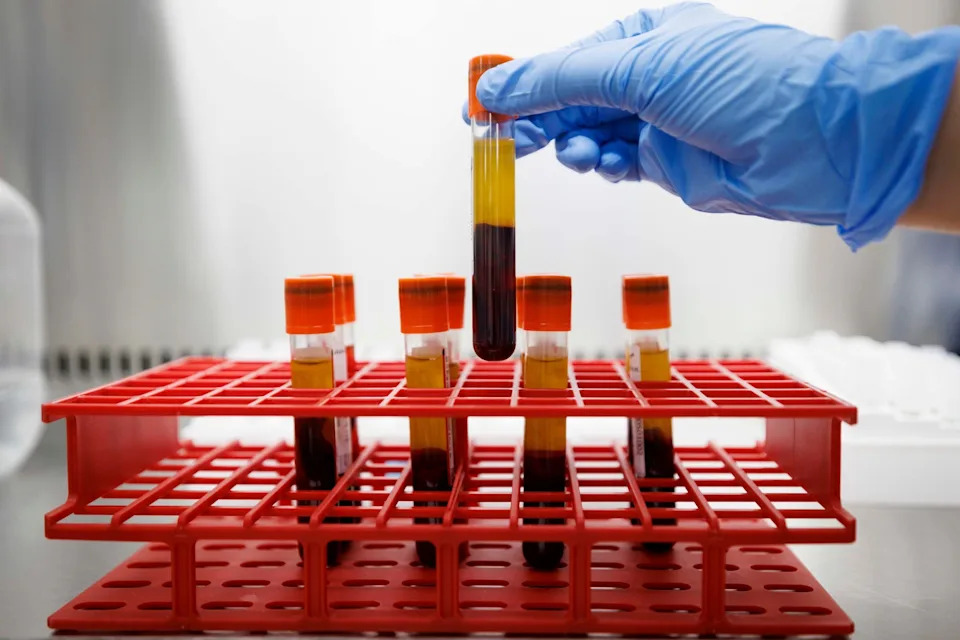
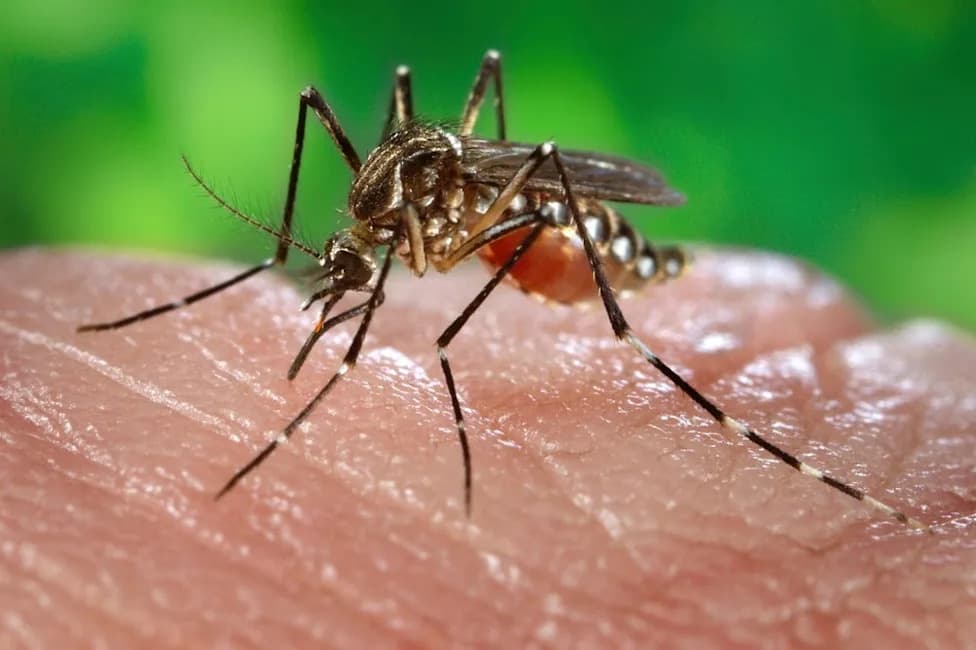
The parasite multiplies ten-fold every two days once it gets into the blood - Belinda Jiao
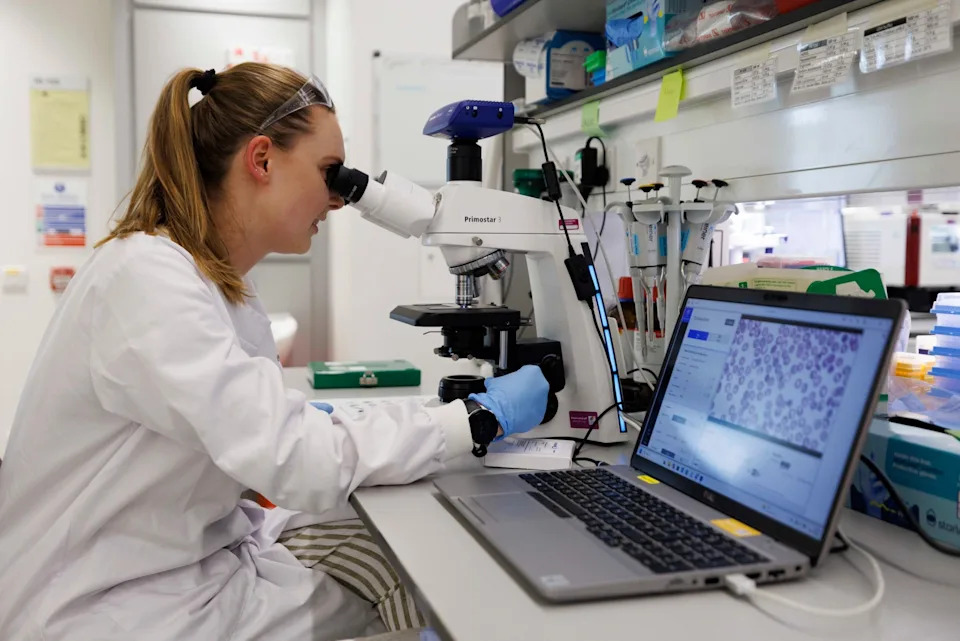
Senior research assistant Casandra Rigby at the lab - Belinda Jiao
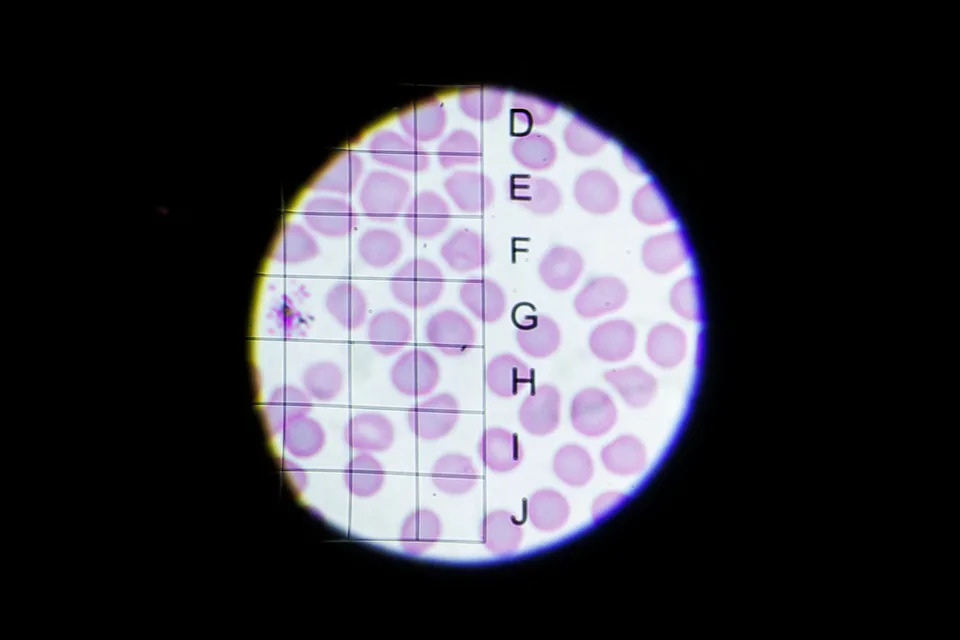
Cells seen under a microscope at the lab - Belinda Jiao
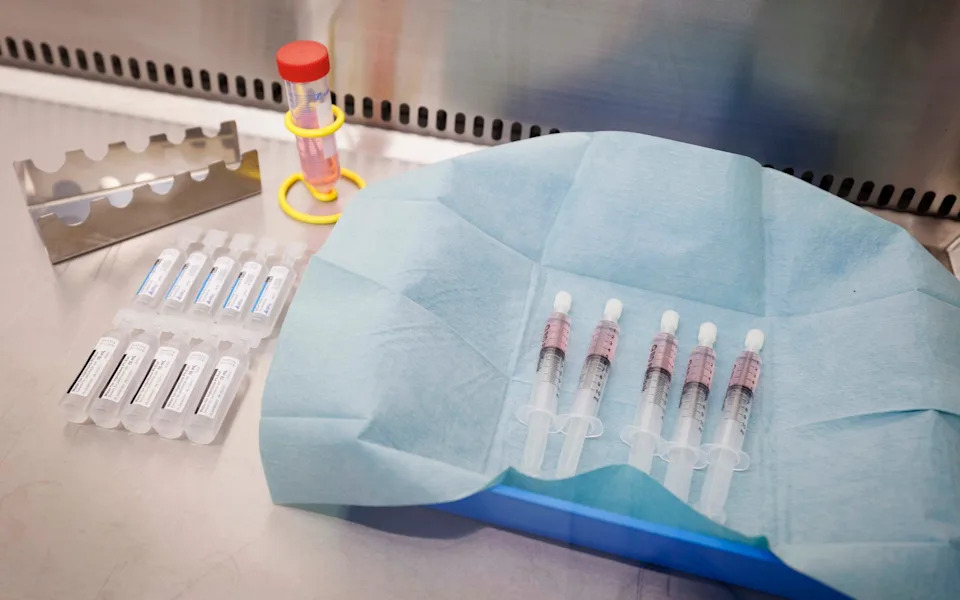
The vaccine targets the parasite in its early worm-shaped stage - Belinda Jiao
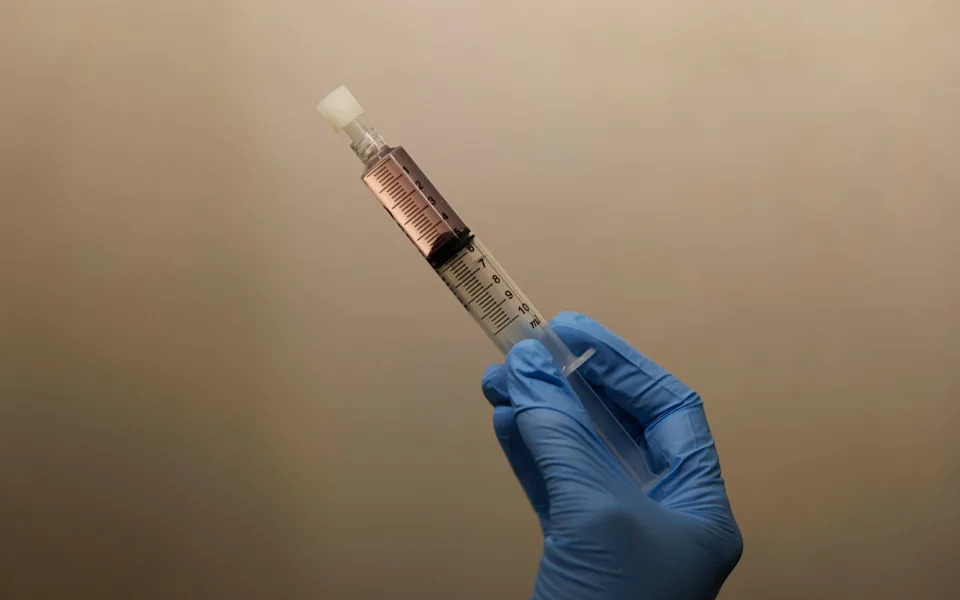
A syringe containing RH5 malaria vaccine for clinical trial - Belinda Jiao
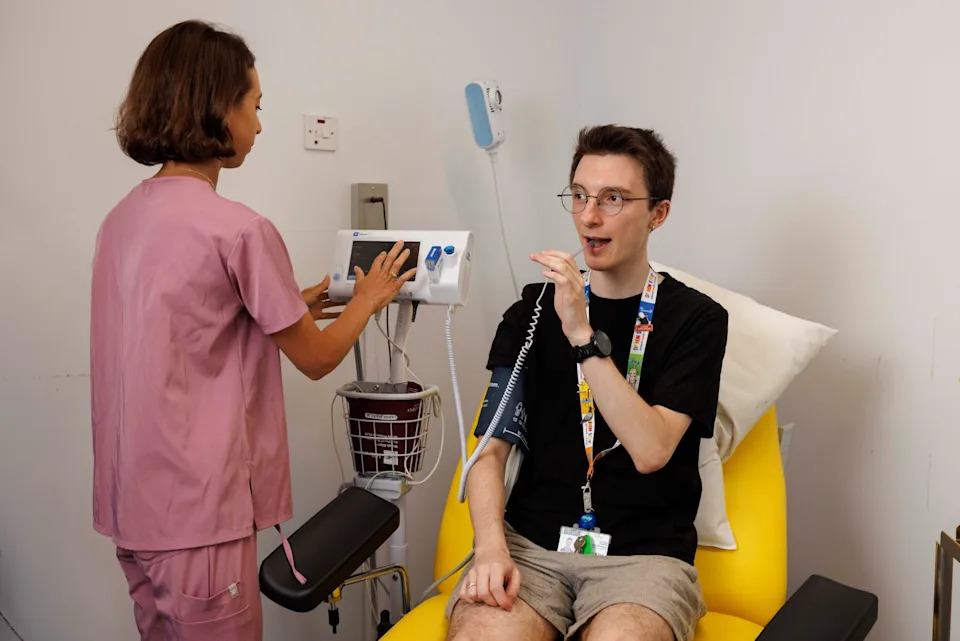
Dr Jennifer van Heerden takes a temperature reading from volunteer Crispin Wright - Belinda Jiao
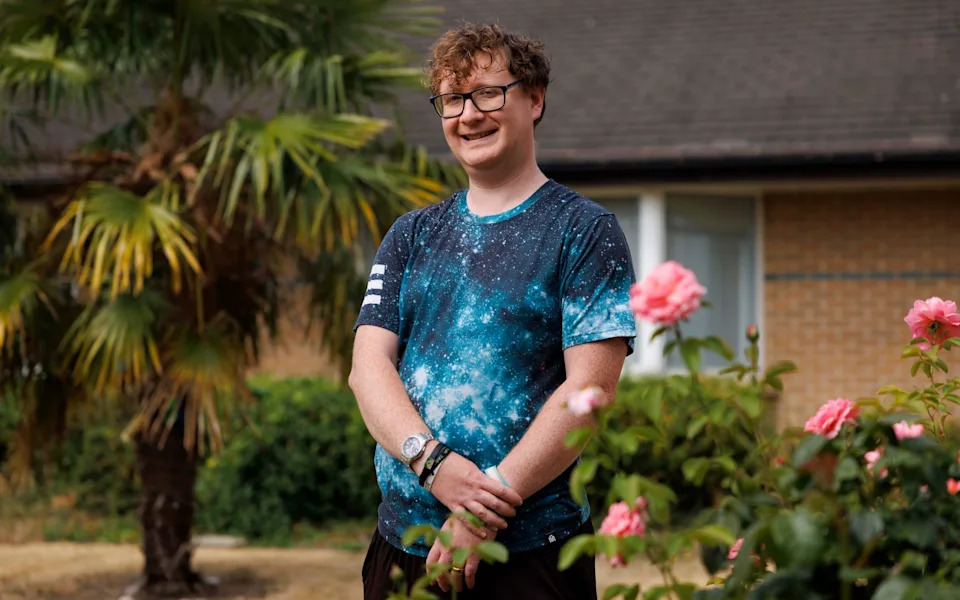
Matt Dale has already received two doses of the vaccine - Belinda Jiao
Help us improve.