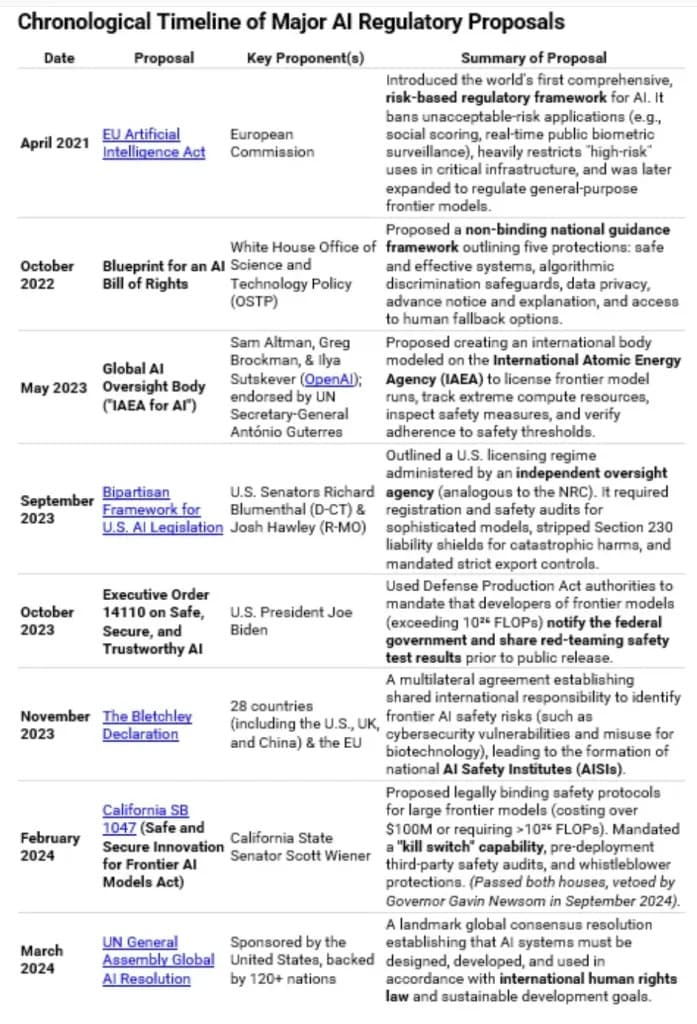
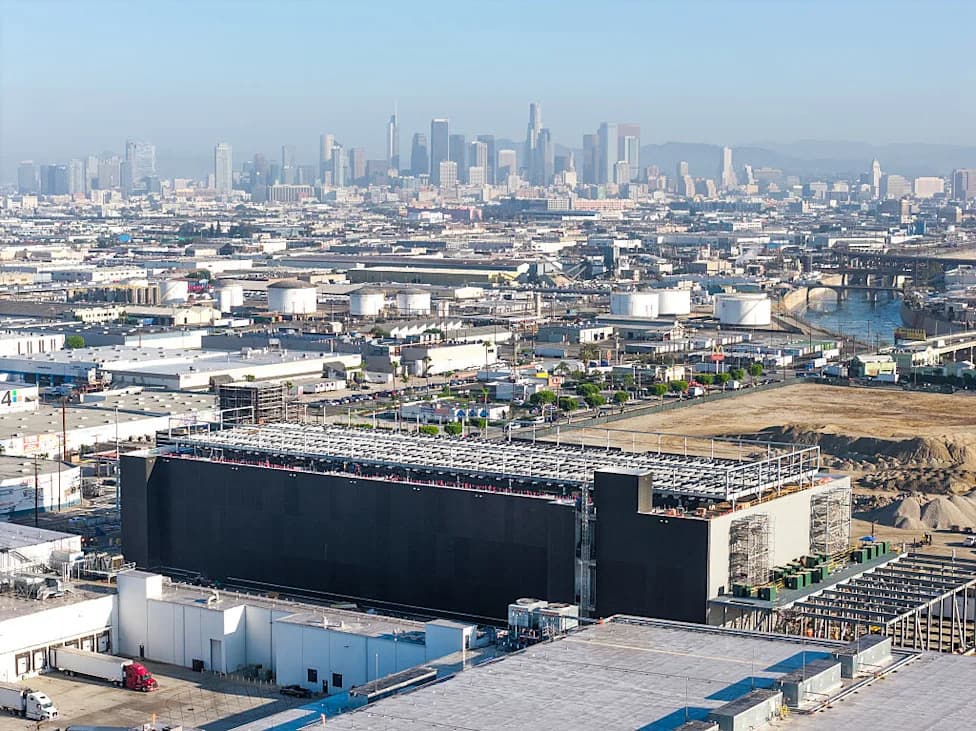
Nuclear energy is back on the table as AI and data centers drive a dramatic rise in electricity demand: the IEA projects data-center electricity to double and AI power use to triple between 2025 and 2030. Nuclear offers low-carbon, high-capacity baseload power, but five core drawbacks persist — accident risk, water and land impacts, long-lived radioactive waste, proliferation concerns, and long build times. Next-generation reactor designs reduce some risks, but they won’t come online fast enough to meet near-term demand without complementary fuels, renewables, and storage.
5 Drawbacks of Nuclear Power — And Why AI’s Energy Boom Makes Them Harder to Ignore
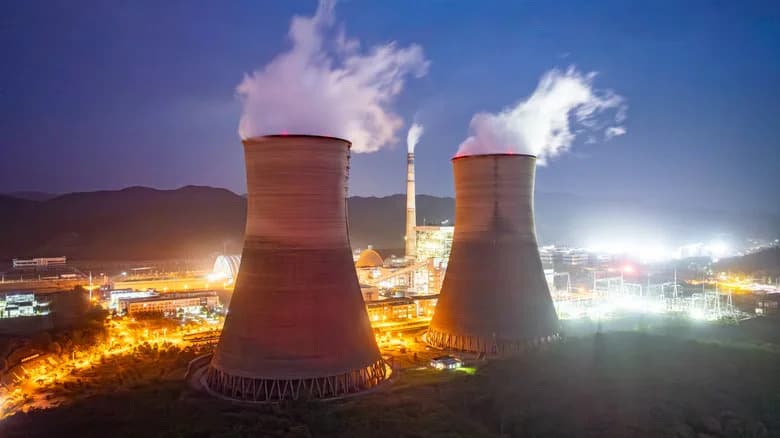
Ke Zhuang/Getty Images
As artificial intelligence (AI) and large-scale data centers drive electricity demand sharply higher, policymakers and tech companies are again considering nuclear power as a low-carbon, high-capacity option. The International Energy Agency (IEA) projects global data-center electricity use will double from 2025 to 2030, while AI-related power consumption could triple in the same period. That surge has reignited debate over whether expanding nuclear generation is the right solution — and whether long-standing risks become harder to dismiss when far more reactors and fuel are in play.
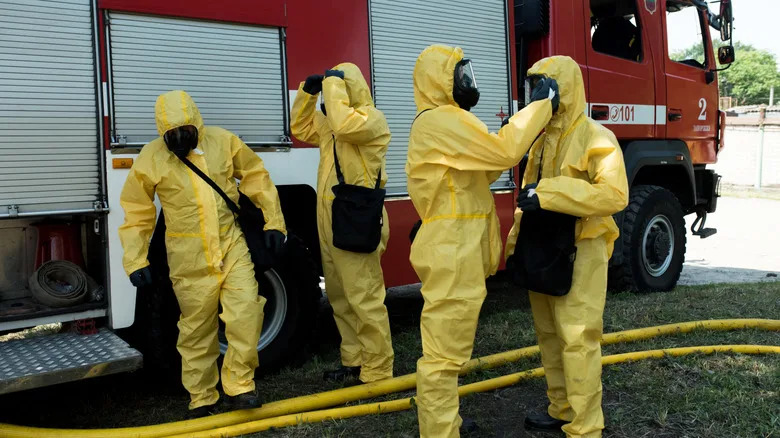
Global Images Ukraine/Getty Images
1. Accidents and Public Safety
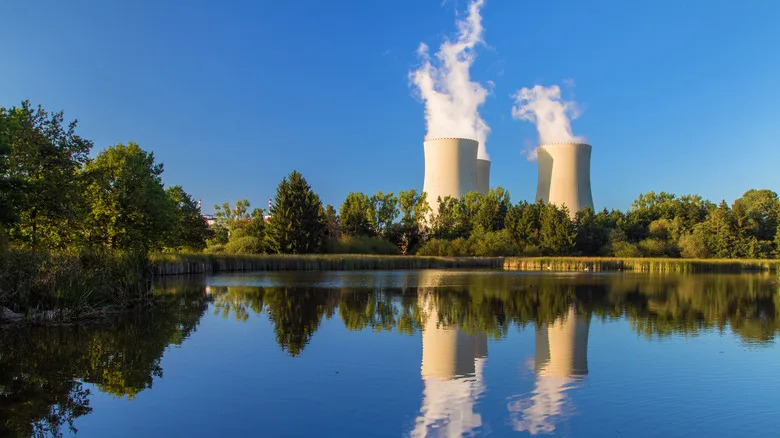
Major commercial nuclear accidents have been rare over roughly seven decades of civilian power generation, but their consequences are severe when they occur. Notable incidents include Three Mile Island (U.S.), Chernobyl (Ukraine), and Fukushima Daiichi (Japan). Chernobyl produced about 30 immediate deaths and, according to UNSCEAR, 19,233 thyroid-cancer cases recorded between 1991 and 2015 among people who were under 18 at the time of the accident, with an estimate that roughly one in four of those cases is attributable to radiation exposure. At Fukushima, two workers drowned in the tsunami; Japan has recognized one radiation-related worker death and more than 2,000 additional deaths have been linked to evacuation impacts. Three Mile Island caused no direct injuries.
Danielprudek/Getty Images
Modern reactor designs and improved safety systems substantially reduce meltdown risks, and public perceptions often overestimate probabilistic risk. Still, expanding the number of reactors to power AI and data centers raises questions about how to maintain extremely low accident rates across a larger fleet and more sites.
Sean Gallup/Getty Images
2. Local Environmental Impacts and Water Use
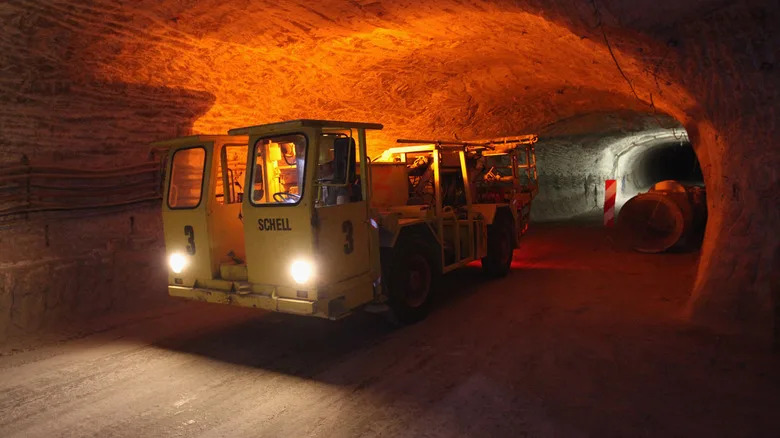
Nuclear plants require large volumes of cooling water. Discharging warmer water into rivers, lakes, or coastal zones can change local temperatures and harm aquatic ecosystems. Data centers also need intensive cooling, so siting large AI facilities together with nuclear plants can amplify cumulative water use and thermal impacts in a region. While the land footprint of a nuclear plant isn't dramatically different from many other large power facilities, local land use and ecosystem disruption remain valid community concerns.
Vladimir Tretyakov/Shutterstock
3. Radioactive Waste and Long-Term Storage
Radioactive waste management is among the most persistent public objections to nuclear power. Waste is classified by radioactivity; roughly 3% of the material contains about 95% of the radioactivity, but all classes raise questions about handling and disposal. Spent fuel can remain hazardous for thousands of years, and options include on-site storage, engineered burial, or emplacement in deep geological repositories. Demonstrating and communicating the safety of these solutions to communities and policymakers has been a major challenge for the industry — a challenge that will grow if nuclear capacity expands to meet AI demand.
Finnbarr Webster/Getty Images
4. Proliferation and Security Risks
Expanding civilian nuclear programs increases the volume of fissile materials and fuel-cycle activity to monitor. Uranium enrichment and reprocessing are dual-use technologies: low-enriched uranium (LEU) is standard for power reactors, while highly enriched uranium (HEU) is associated with weapons. The International Atomic Energy Agency (IAEA) provides safeguards and monitoring, but some states have evaded oversight in the past — for example North Korea (plutonium production at Yongbyon), Iraq (covert enrichment), and concerns around Iran's enrichment activities. A larger, more distributed market for uranium and fuel-cycle services could complicate verification and increase proliferation risks if governance and transparency aren't strengthened.
5. Timing, Scale, and Near-Term Demand
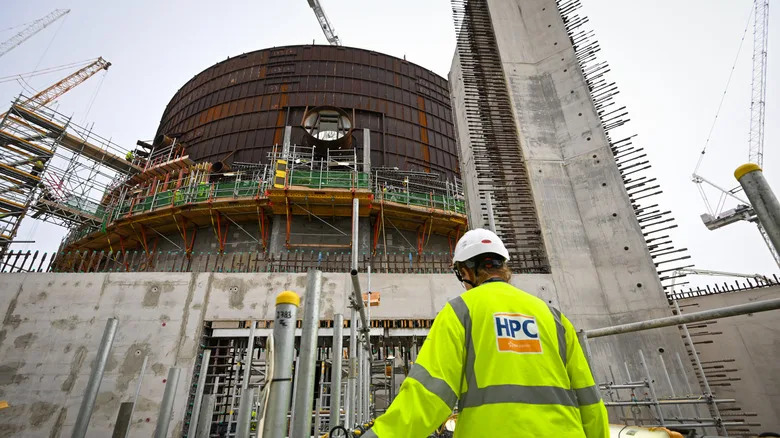
New nuclear reactors take many years to permit, site, and build. A typical timeline includes several years of permitting plus at least five years of construction; the most recent U.S. examples have taken a decade or longer (Plant Vogtle's last two reactors took 11 years to complete). In June 2026, federal plans and loan support were announced for 10 new U.S. reactors with construction targeted to begin in 2030 and commercial operations in the mid-2030s. That timeline means nuclear expansion is unlikely to meet the IEA's 2025–2030 surge in AI and data-center demand, leaving near-term supply to existing fossil plants, expanded natural-gas generation, or rapid deployment of renewables plus storage.
Balancing Trade-Offs
Nuclear power offers reliable, low-carbon baseload electricity that could help decarbonize the grid while meeting large, concentrated loads such as AI facilities. But the technology brings trade-offs: accident risks (low probability, high consequence), local environmental impacts, long-lived waste, and proliferation and security concerns. Addressing those issues — through improved reactor designs, robust waste repositories, stronger international safeguards, and careful siting and water-management policies — will be essential if nuclear is to play a major role in powering AI at scale.
Conclusion
Expanding nuclear capacity could be part of a broader strategy to meet AI's growing energy needs while cutting carbon emissions. However, persistent safety, environmental, waste-management, and proliferation challenges — together with long lead times — mean nuclear is not a simple or immediate solution. Policymakers and industry will need transparent planning, community engagement, and parallel investments in renewables, storage, and efficiency to bridge near-term demand and manage long-term risks.
Help us improve.