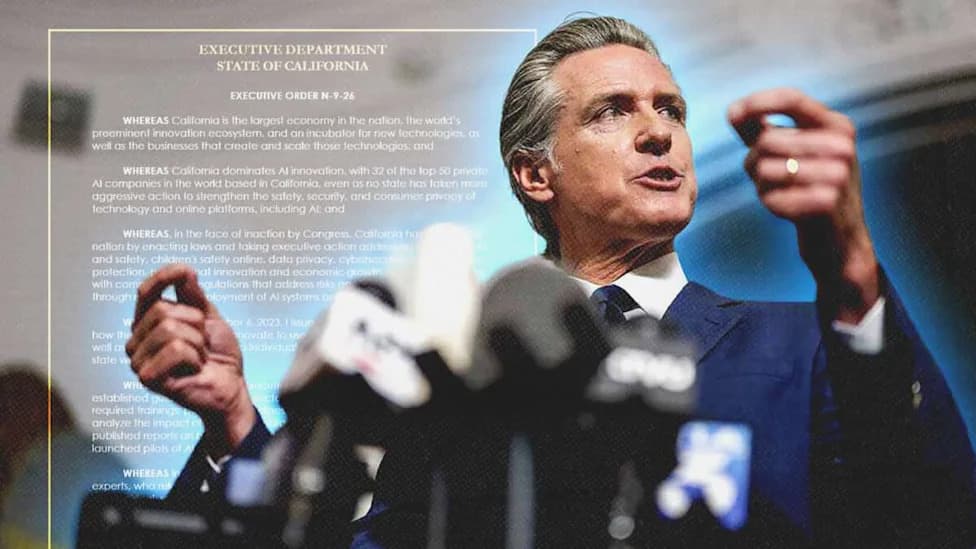
The article examines a surge of AI-assisted YouTube channels producing sensational, often false videos about Democratic-run states — with California and Gov. Gavin Newsom a frequent target. Newsom’s team worked with YouTube to identify and remove more than 700 accounts since January; staffers said over 100 hosted misleading AI-generated content. YouTube is tightening monetization rules, deploying a "likeness protection" program, and prioritizing detection, but experts say modest changes to ranking and ad policies could better deter large-scale AI slop without banning generative tools.
AI-Generated 'News' Floods YouTube, Targeting California and Gov. Newsom
Screenshot
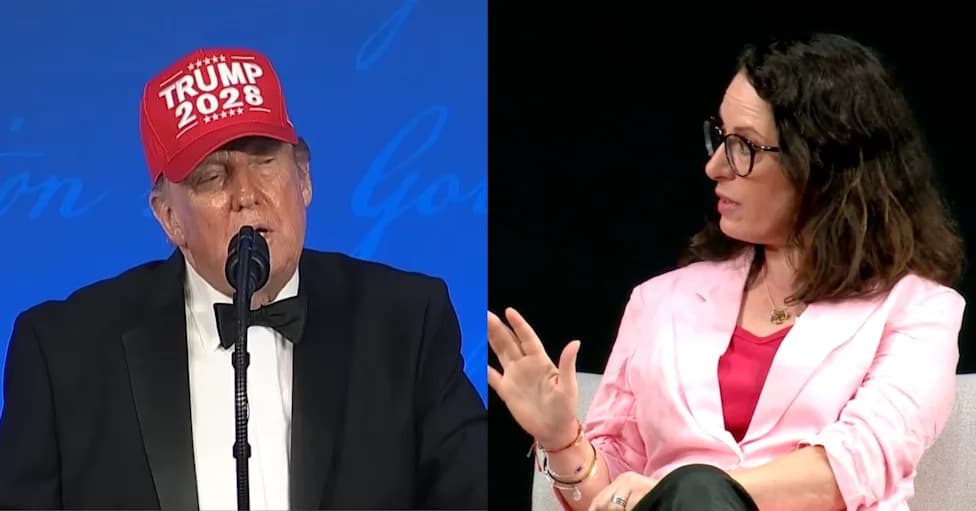
In January, former President Donald Trump amplified two short YouTube clips that falsely claimed Walmart was closing hundreds of California stores. The posts were fabricated, but they highlighted a growing problem: polished, AI-assembled videos that spread sensational and misleading narratives about Democratic-run states — and that can be hard for viewers to distinguish from legitimate coverage.
What Happened
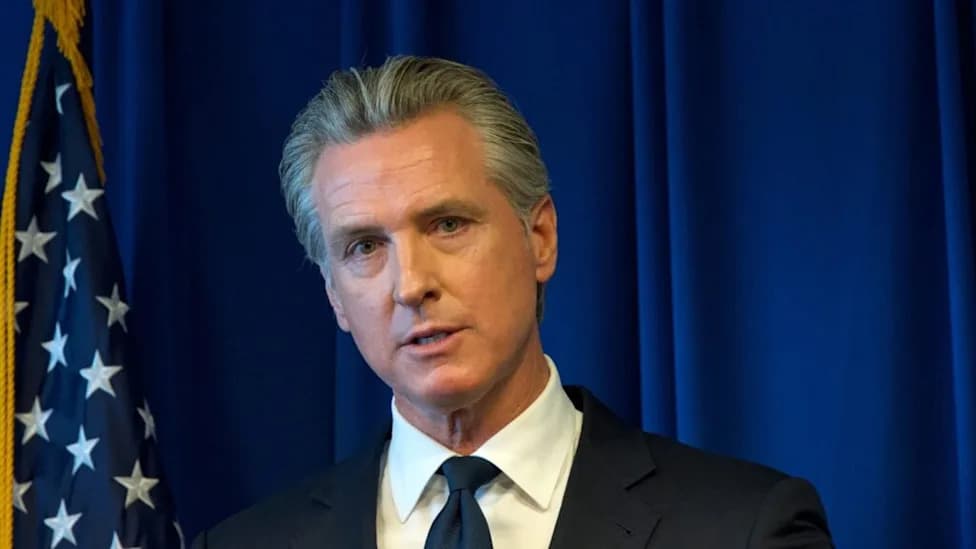
The YouTube channel @MeganWright62 and dozens of similar accounts posted fast-produced, AI-assisted clips alleging mass corporate departures, supply shortages, and teacher exoduses in California. According to two staffers in Gov. Gavin Newsom’s communications shop, the opacity of how these videos were made and where they originated was as alarming as the false claims themselves. Newsom’s team identified hundreds of such channels and worked with YouTube to remove many of them.
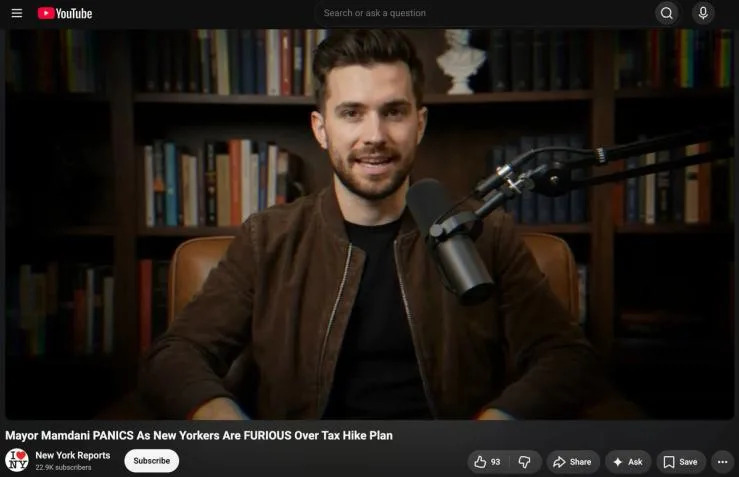
A screenshot from New York Reports.
Scale And Response
Newsom’s office says it helped YouTube identify more than 700 accounts since January that were removed under the platform’s "likeness protection" and spam policies; staffers said that over 100 of those hosted AI-generated videos spreading false or highly misleading narratives about Newsom and California’s decline. YouTube has also removed roughly 1.6 million accounts for spam in the last year, but channels producing AI-driven content sometimes slip through moderation.
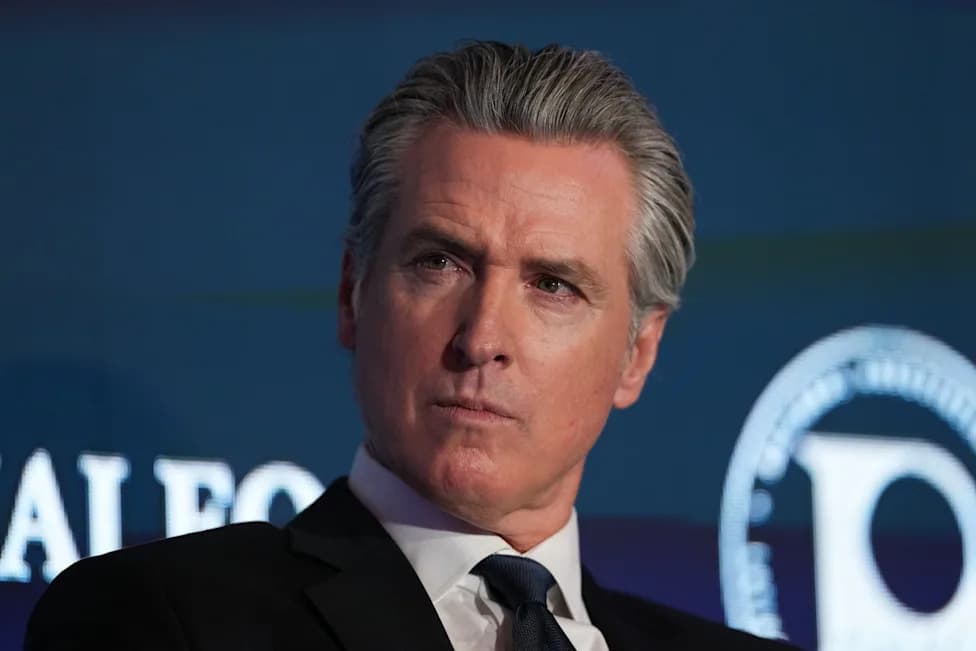
"Right now, algorithms are rewarding lies and bad actors are taking advantage — particularly those who want to see a divided America," Brandon Richards, a spokesperson for Gov. Newsom, told Semafor. He warned that without systemic changes across platforms, the problem is likely to get worse.
Examples
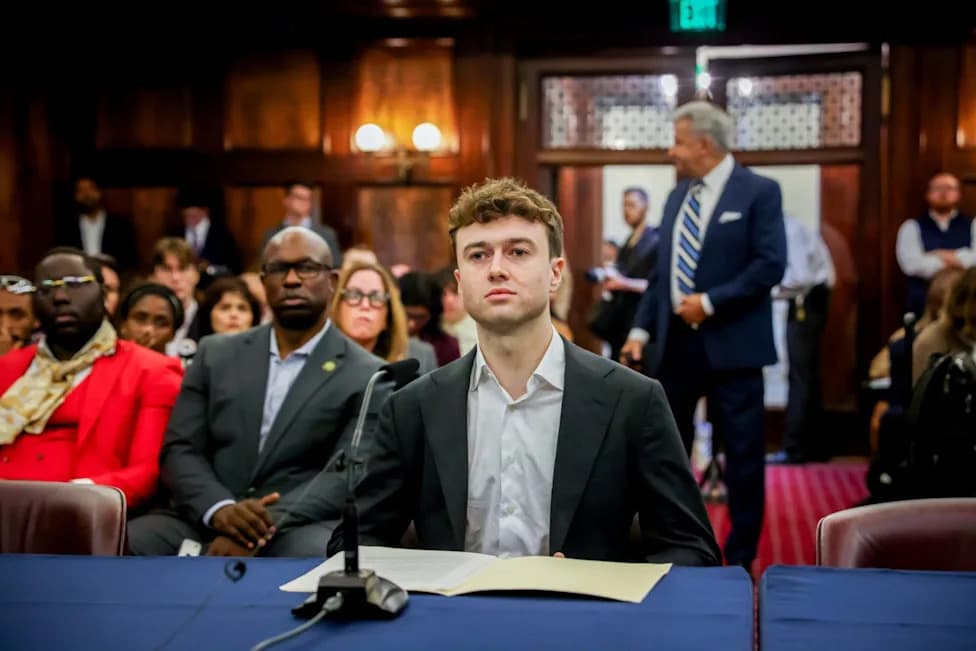
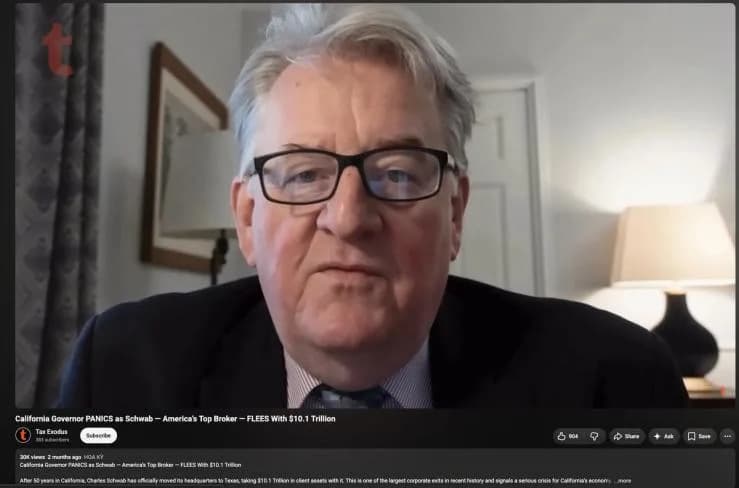
Channels such as @MeganWright62, @PumpScore, @TaxExodus and a channel called New York Reports have posted high-view videos that mix AI narration, stock footage, local clips and sensational thumbnails. One New York Reports mash-up combined unrelated local stories and suggested a prominent official said, "We are so Fucked!" — a claim unsupported by footage or sourced reporting. Several of these channels accumulated tens or hundreds of thousands of views before being removed.

Screenshot
Platform Challenges
YouTube has integrated AI across its product — from Shorts to AI-generated summaries and transcripts — and CEO Neal Mohan has publicly called combating low-quality AI content a "top priority." The company says it is building on years of spam-fighting systems and rolling out tools like a "likeness protection" program to detect unauthorized use of public figures' images and to label realistic AI-generated content.
"To reduce the spread of low quality AI content, we're actively building on our established systems that have been very successful in combatting spam and clickbait," Mohan wrote.
At the same time, platforms face a difficult trade-off: tighten moderation to stop manipulation and misinformation, but avoid overreach that could suppress legitimate speech or fuel censorship claims. Data from video-editing firm Kapwing cited in reporting suggests that more than 20% of videos surfaced to new users may be low-quality AI-generated clips — a growing share that risks changing user experience and monetization incentives.
Ways Forward
Experts and researchers, including Columbia's Camille François, argue that modest policy adjustments — such as changing ranking signals, tightening monetization thresholds, or altering eligibility rules — could shift creators' incentives away from mass-producing AI slop without banning generative tools entirely. Platforms are experimenting with account-level enforcement, automated labels, and detection systems focused on deceptive or repetitive AI content.
As AI tools become easier to use and cheaper to deploy at scale, platforms, public figures and regulators will need to refine detection, transparency, and incentive structures to limit the spread of fabricated, engagement-first political content while preserving space for legitimate expression and innovation.
Help us improve.