Malibu's coastline is rebuilding too slowly because local permitting is overwhelmed and higher-level leadership has been limited. Severe erosion and bluffs' drop-offs exacerbate the damage left by the Palisades Fire, and many homeowners lack the resources to rebuild. Proposed solutions include seawalls where appropriate, conversion of irreparable parcels to parkland with compensation, combined state and federal funding, expedited federal permitting, and safeguards against speculative land grabs. Acting now is urgent, especially with the 2028 Olympics on the horizon.
Save Malibu Before 2028: Vision, Leadership and Urgent Action Required
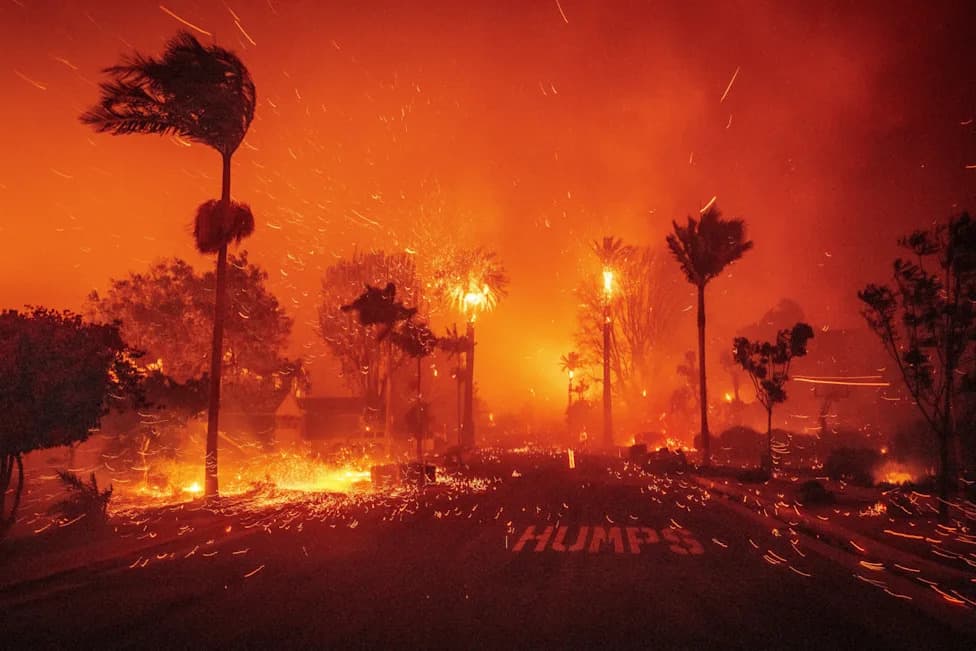
Images of the destruction caused by the 2025 LA wildfires at the Malibu coast. MAlibu, CA. Wednesday, July 29, 2026.
There is no excuse for the slow pace of rebuilding along Malibu's coastline. What the area most urgently needs is a clear, long-term vision and decisive leadership at every level of government.
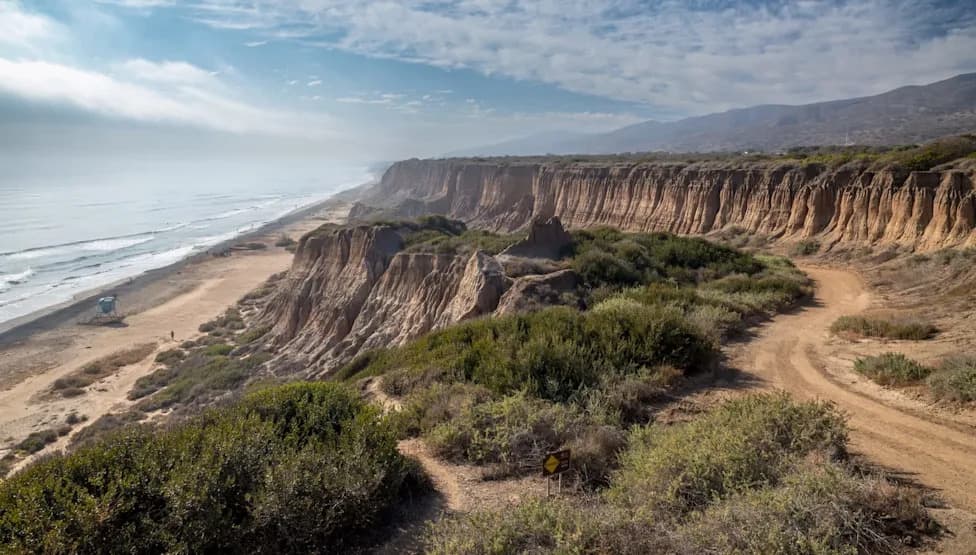
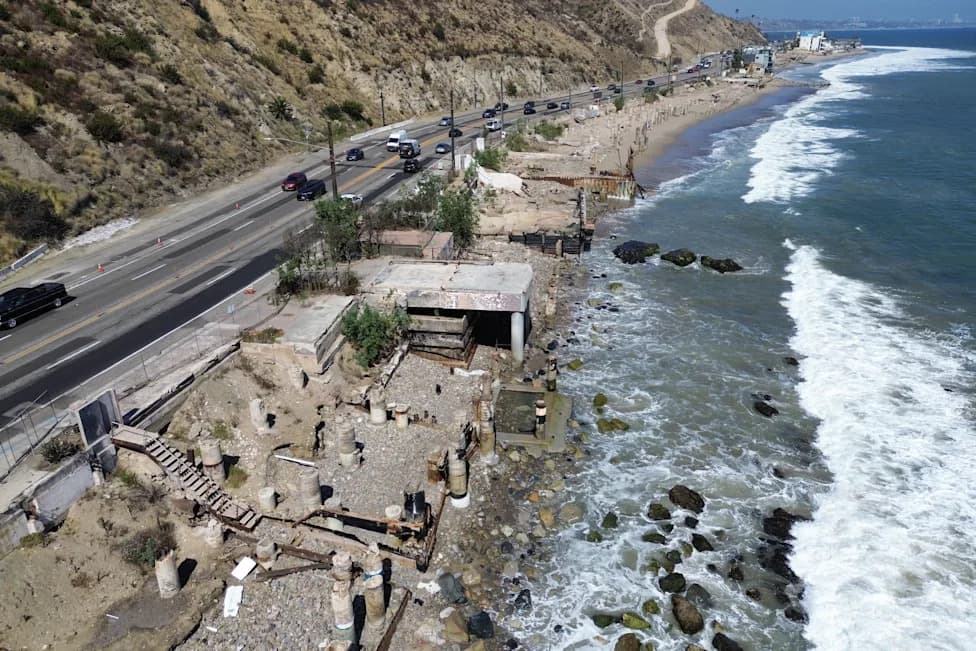
Malibu is not just a playground for the wealthy. Its broad public beaches are treasured by Angelenos across the region, and the coastline is a major draw for visitors to Southern California. Yet recent scenes along the shore — described by The California Post as more like Pompeii than paradise — show severe erosion and steep drop-offs along the bluffs.
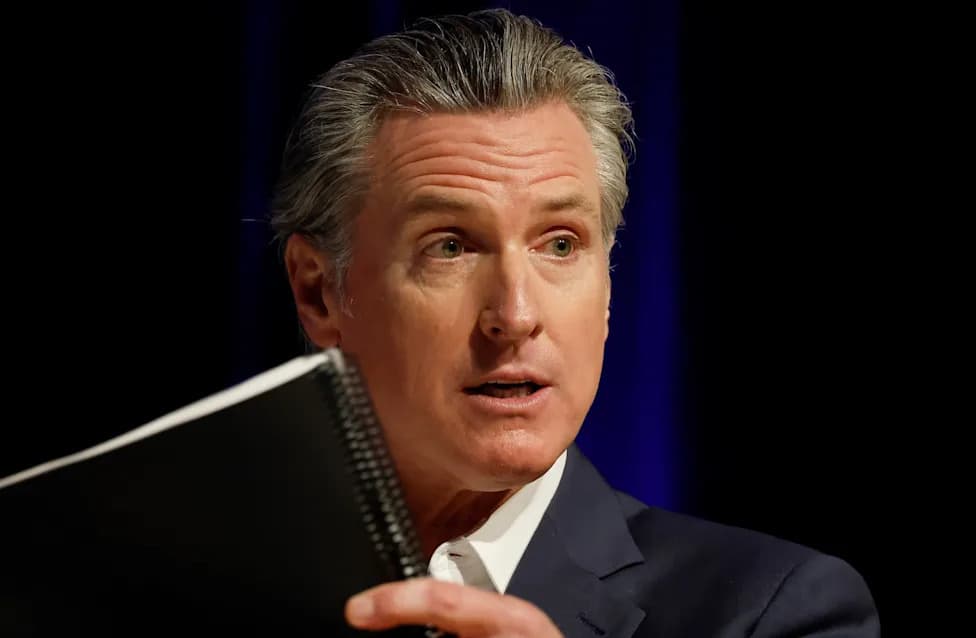
Local officials are overwhelmed. Malibu's permitting process has slowed to a crawl, leaving residents to fend for themselves. Governor Gavin Newsom has shown limited involvement in the matter, and Los Angeles Mayor Karen Bass has no direct authority over city permitting in Malibu. As reporter Jon Fleischman notes, many homeowners are not wealthy; they inherited modest family homes built cheaply in the 1950s.
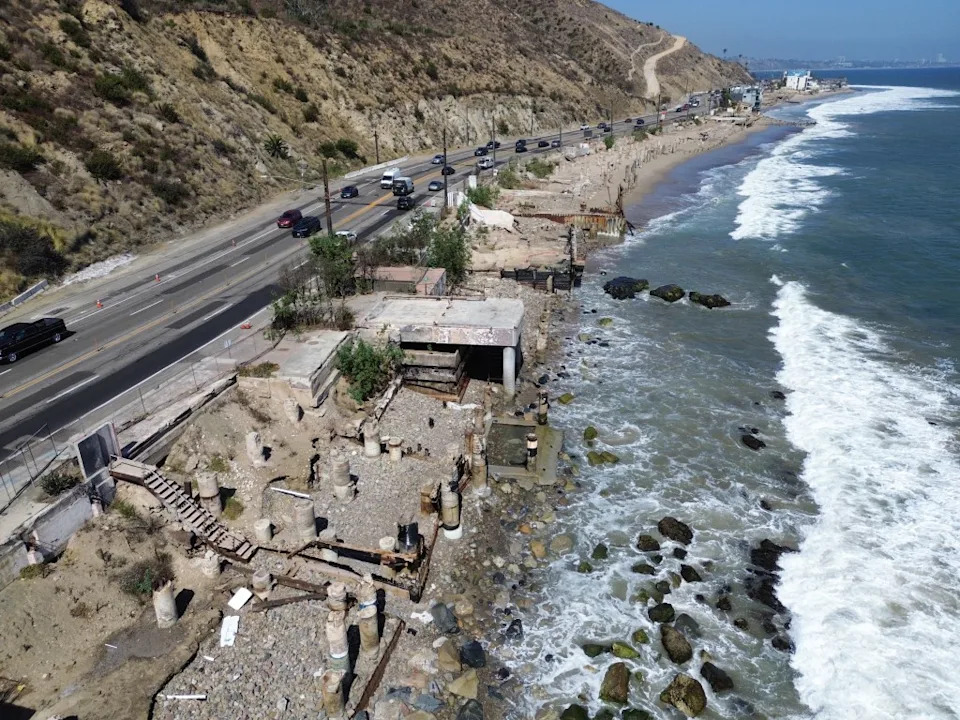
Apocalyptic photos capture the latest blow to Malibu's coastline after severe erosion left drop-offs along the bluffs. CA Post
Realistically, only the ultra-wealthy are likely to marshal the funds needed for major rebuilds — and in many places, rebuilding may not even be feasible because of ongoing erosion, tide dynamics and tsunami risk. The scattered ruins are an eyesore, a reminder of the Palisades Fire and of missed opportunities by government agencies to reduce vulnerability.
The 2028 Summer Olympics add urgency. With global attention heading to Los Angeles, inaction risks public embarrassment unless planning and reconstruction accelerate now.
Practical Steps Forward
1. A geography-driven coastal plan. The shoreline needs a revised master plan that recognizes which areas can be defended and which should be allowed to revert to open space. Where feasible and ecologically appropriate, hard protections such as seawalls should be considered — not just to protect homes but to safeguard the Pacific Coast Highway, a vital regional artery. Where hard protection is impractical, the state should convert vulnerable parcels to public parkland and provide fair compensation to owners.
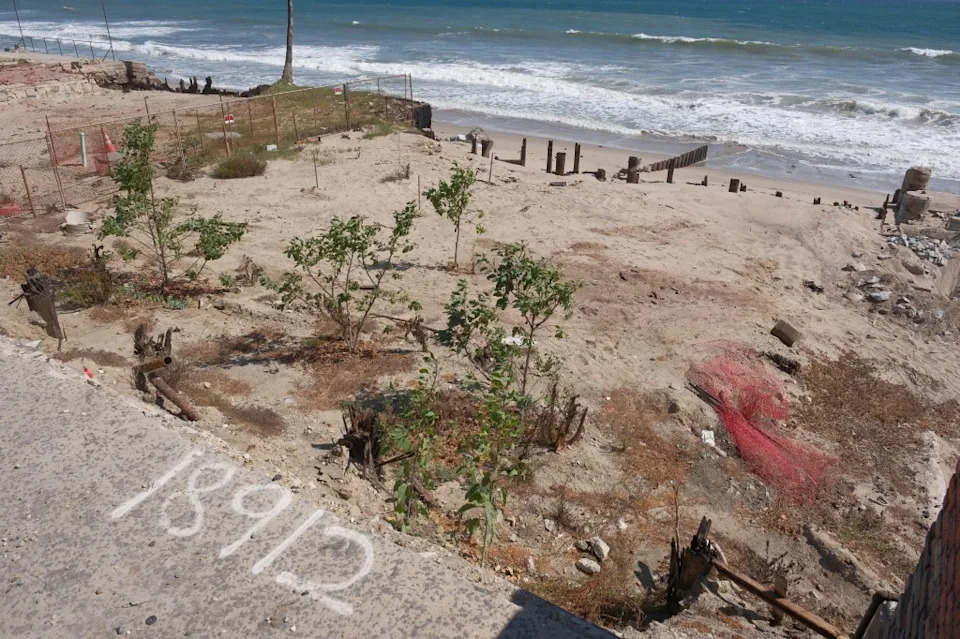
The latest erosion is likely to heighten concerns for homeowners still weighing whether to rebuild or sell after the fires. CA Post
2. State and federal funding and oversight. Funding should come from state and federal coffers: Malibu matters to California and to the nation. To accelerate recovery, the federal government should step in to expedite permitting and remove unnecessary regulatory bottlenecks. In January, President Donald Trump signed an executive order that effectively allowed the Small Business Administration to assume permitting authority in the Palisades and Eaton fire zones — a model that could be adapted where appropriate to speed work.
3. Protect community interests from speculative buyouts. State and local officials must be vigilant about large land purchases by outside developers, including foreign buyers. Policies should protect longtime residents and prevent billionaires or investors from determining Malibu's future before affected homeowners have a fair chance to rebuild.
4. Transparency and community input. Recovery plans must be developed with clear timelines, measurable milestones, public reporting and meaningful input from residents, scientists, and environmental experts.
With a coherent vision, fair funding, expedited but responsible permitting, and protections for local homeowners, Malibu can be restored — and potentially become more resilient and welcoming than before.
Help us improve.