KDCA analysis of Community Health Survey data finds that between 2016 and 2025 high‑risk drinking fell for men across age groups but rose among women aged 30 and over. Women in their 30s, 40s and 50s recorded notable increases, while women in their 20s and men in their 20s showed declines. Experts link the shift to rising female workforce participation, solo drinking, and wider alcohol availability; public‑health authorities warn persistent high rates among middle‑aged men remain a major concern.
South Korea’s Drinking Pattern Shifts: High‑Risk Drinking Rises Among Women Over 30
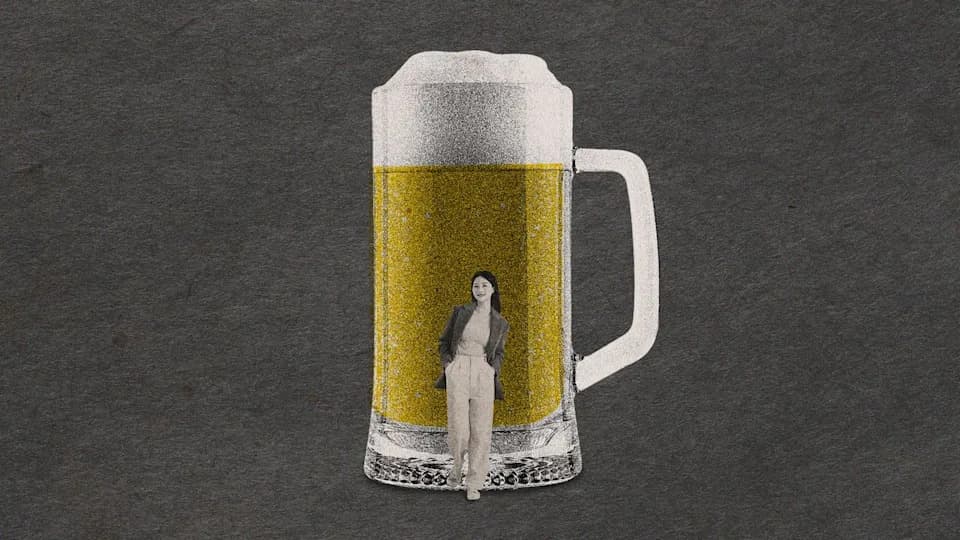
High-risk drinking rose significantly among women over 30 in South Korea between 2016 and 2025. | Credit: Illustration by Julia Wytrazek / Getty Images
New analysis of Korea Disease Control and Prevention Agency (KDCA) data shows a notable shift in South Korea’s drinking patterns: while high‑risk drinking has declined across male age groups since 2016, it has increased among women aged 30 and older.
Who Counts As A High‑Risk Drinker?
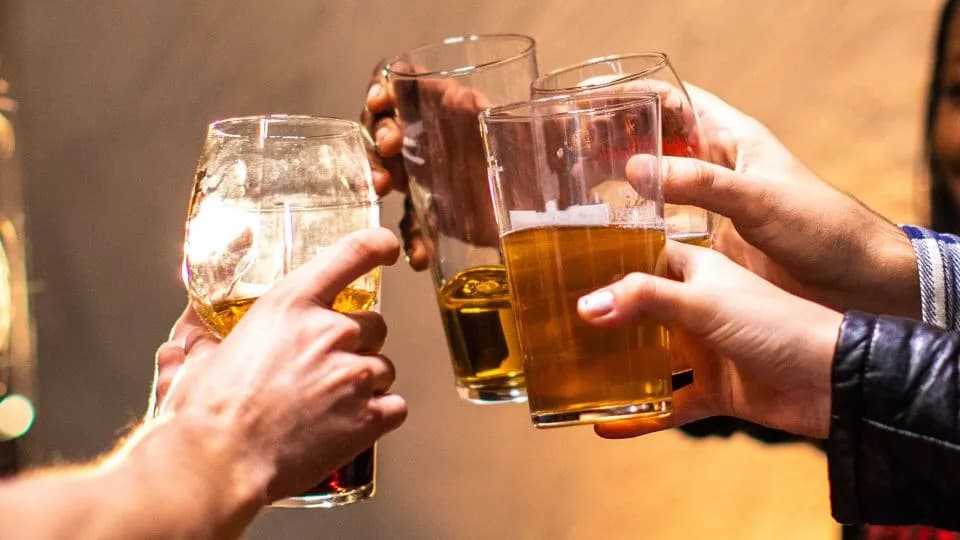
The KDCA defines high‑risk drinking differently by sex. For men it is consuming seven or more shots of traditional soju (or five cans of beer) in one sitting at least twice a week; for women it is five or more shots of soju (or three cans of beer) in one sitting at least twice a week.
Key Trends
Between 2016 and 2025, high‑risk drinking rose among women in older age groups: women in their 30s saw a 19.1% increase, women in their 40s a 41.0% rise, and women in their 50s a 13.2% uptick. By contrast, women in their 20s recorded an 18.5% decline, and men in their 20s experienced a much larger fall of 41.6%.
Despite these increases among some women, men still drink more by most measures. The Korea Times reports that roughly half of men in their 30s, 40s and 50s engage in monthly binge drinking, and more than one in five men in their 40s and 50s qualify as high‑risk drinkers.
Why The Change?
Researchers and reporters suggest several contributing factors. As more women join the workforce and expand their social and economic participation, they encounter more occasions to drink — at networking events, workplace gatherings and social outings. At the same time, the growth of single‑person households has normalised solitary drinking (known as "honsul"), while convenience stores and a broader range of drinks — wine, cocktails and highballs — have made alcohol more accessible and appealing beyond the traditional soju‑centred culture.
“As women's economic and social participation has expanded, there may be more occasions when they drink at workplaces or social gatherings,” said sociology professor Kim Yoon‑tae. He added that drinking still plays a strong role in social life.
Popular culture reflects the shift: the TV series Work Later, Drink Now follows three women in their 30s who bond over after‑work drinks, illustrating how alcohol has become woven into some women’s routines.
Public Health Concerns
KDCA commissioner Lim Seung‑kwan noted that although overall drinking behaviour in Korea has improved, high rates of binge and high‑risk drinking among men in their 30s–50s continue to pose risks for disease, injury and alcohol dependence. Internationally, South Korea’s monthly binge drinking rate ranks among the highest — reported as fifth among 27 developed countries in OECD comparisons.
The data point to a complex change in drinking culture: corporate drinking rituals have declined, but heavy drinking appears to have shifted into different settings and demographics. Public‑health responses will need to account for changing patterns by age, gender and setting.
Help us improve.