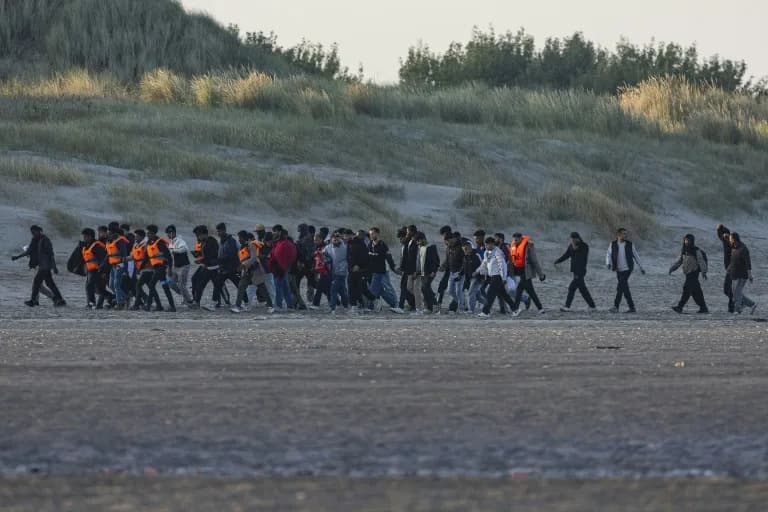
The arrival of roughly 60,000 migrants in Ceuta has reignited debate over border control across Europe, after Spanish authorities said they expelled about 98% of those who crossed without processing asylum claims. Home Secretary Shabana Mahmood says the Channel is "different and trickier," while the UK faces ongoing small-boat arrivals: more than 2,000 since Andy Burnham became Prime Minister two weeks ago and about 14,000 so far this year. The government is under pressure to prioritise effective deterrence and clearer cooperation with partners such as France, even as legal and humanitarian obligations constrain immediate removal options.
Britain Shouldn’t Be Europe’s Last Unsecured Border — Ceuta Crisis Puts Pressure on UK
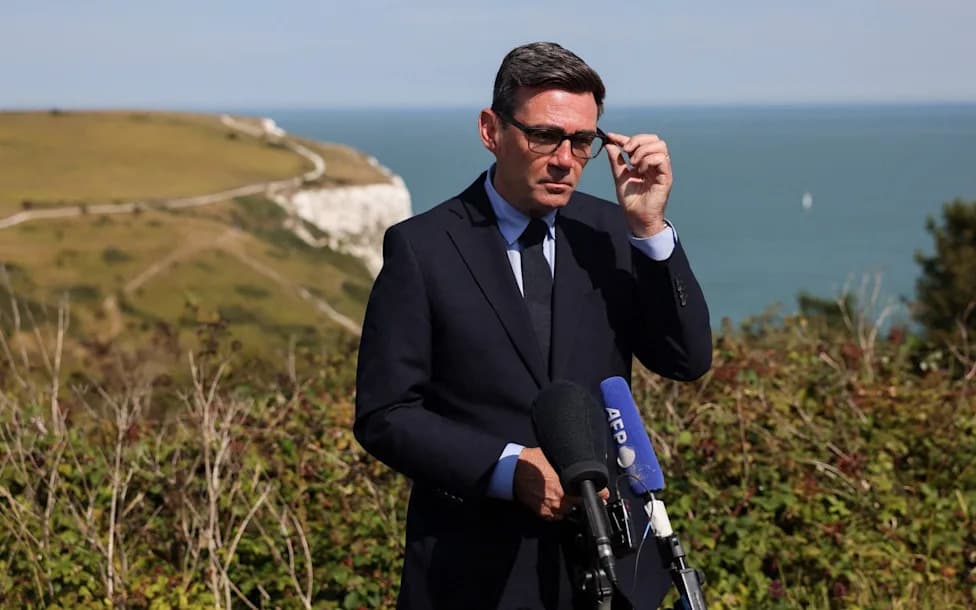
Andy Burnham on a visit to Dover claimed that establishing 'safe routes' would help deal with the migrant crisis - AFP/JACK TAYLOR
The European Union was shaken after as many as 60,000 migrants surged into Ceuta, the Spanish exclave that forms one of only two land borders between the EU and North Africa. The images of large groups of mainly young men forcing the frontier have stirred memories of the mass migration from Syria a decade ago, whose demographic, social and political effects are still being felt across the continent.
Spanish Response And Immediate Impact
Spanish authorities say they expelled about 98% of those who crossed last Wednesday and did so without processing formal asylum applications. That rapid removal has been presented by some as a clear, if controversial, way to reassert border control — but it also raises legal and humanitarian questions.
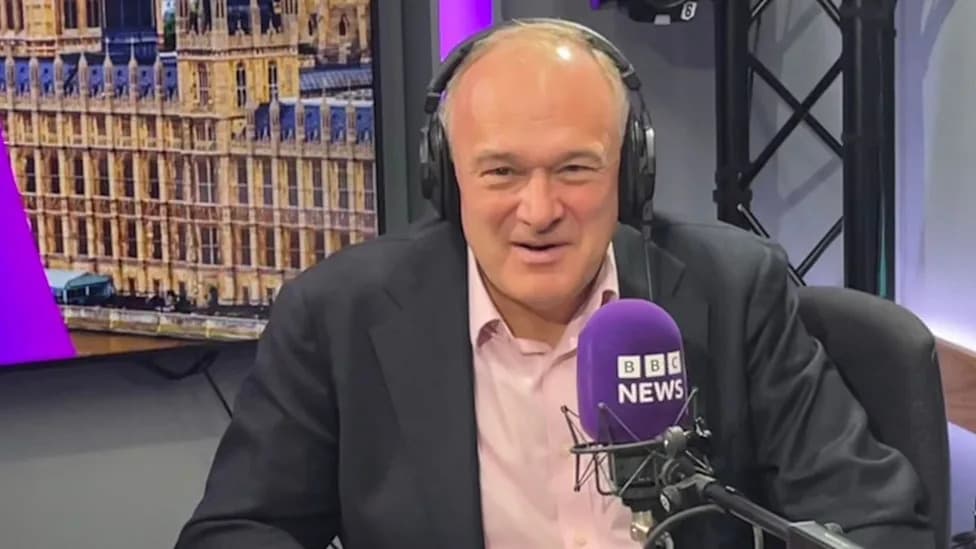
Shabana Mahmood has warned that the Channel situation is different. As she told this newspaper, the task in the Channel is "different and trickier in many ways" and the circumstances in Ceuta — a land border — are "unique to those particular circumstances."
Why This Matters For The UK
The Ceuta episode has sharpened debate in Britain about how to stop small-boat crossings and manage asylum claims. Since Andy Burnham became Prime Minister two weeks ago, more than 2,000 people have arrived on UK shores in small boats. So far this year some 14,000 people have come by that route — roughly 45% fewer than by the same date in 2025 — but the totals remain politically and operationally significant.

The PM spoke to staff at HM Coastguard Maritime Rescue Coordination Centre in Dover - Jack Taylor/PA
Despite substantial cooperation with France — including payments of about £660m to help patrol the French coastline — crossings continue. The "one in, one out" arrangement with France has not solved the problem and critics say the government must focus more on deterring crossings rather than only on processing or relocation measures.
Policy Choices And Political Stakes
The Prime Minister visited Dover to see operational plans in person and pledged to be "relentless" in regaining control of the UK’s borders, including deploying additional National Crime Agency officers. However, observers say meaningful progress will require a clearer strategy that balances legal obligations, humanitarian responsibilities and practical deterrents to stop people making dangerous sea crossings.
Keeping Ms Mahmood as Home Secretary signals continuity, but both she and the Prime Minister will need to explain convincingly why the UK must meet international and domestic legal obligations even as other European states appear to take different, sometimes tougher, approaches.
Bottom line: The Ceuta incident has reignited pressure on Britain to tighten its borders and rethink deterrence and cooperation with European partners. Failure to present effective, lawful policies risks both continued crossings and a rapid erosion of political support for the government’s approach.
Help us improve.