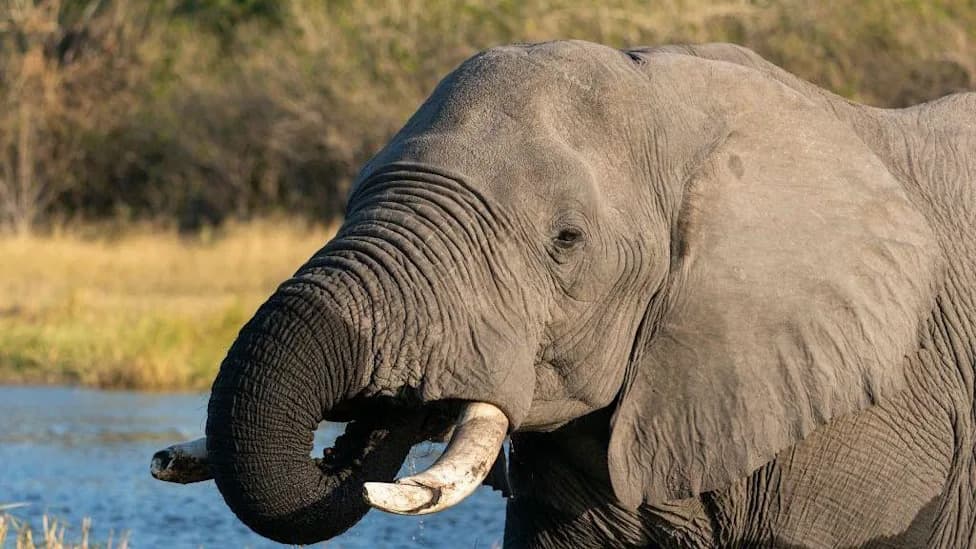
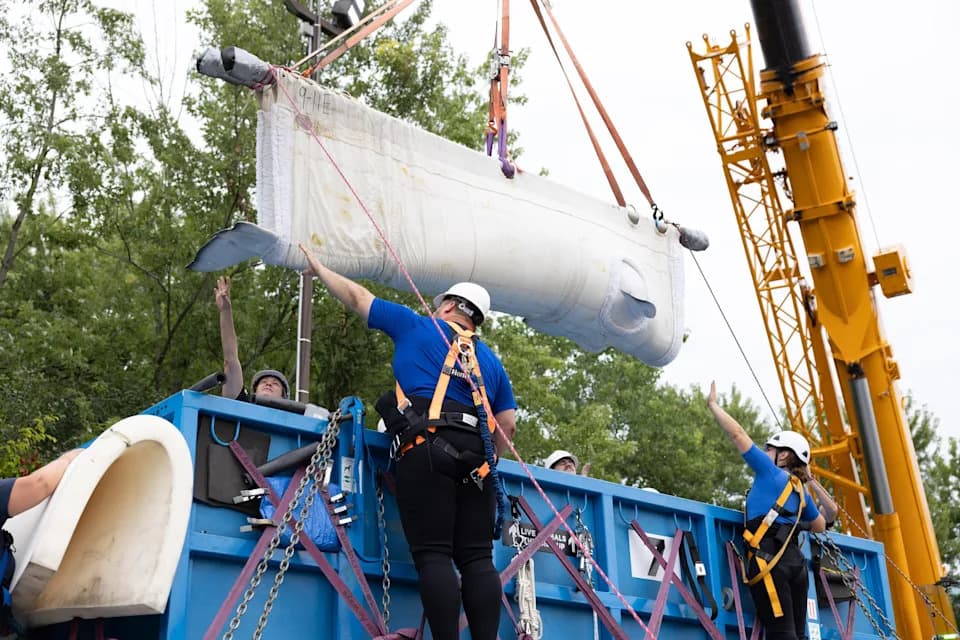
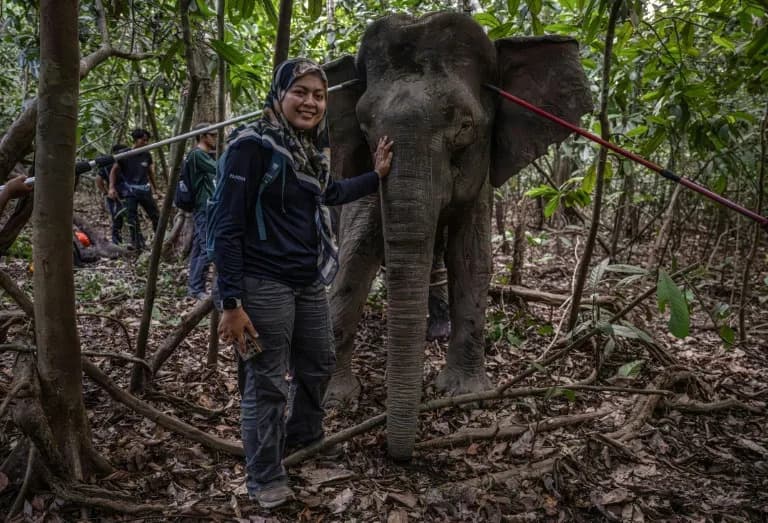
Julie, an African elephant captured as a calf and performing in Portuguese circuses since 1988, was moved in June to Pangea Elephant Sanctuary in Alentejo after 18 months of preparation. Portugal’s 2024 ban on wild animal acts ended her performing career and created urgent demand for permanent care options. Pangea, a 1,000‑acre charity registered in the U.K. and Portugal, plans to house 20–35 elephants once infrastructure is complete, and another elephant, Kariba, is expected later this year.
After 40 Years In The Ring, Portugal’s Last Circus Elephant Retires To The Country’s First Sanctuary
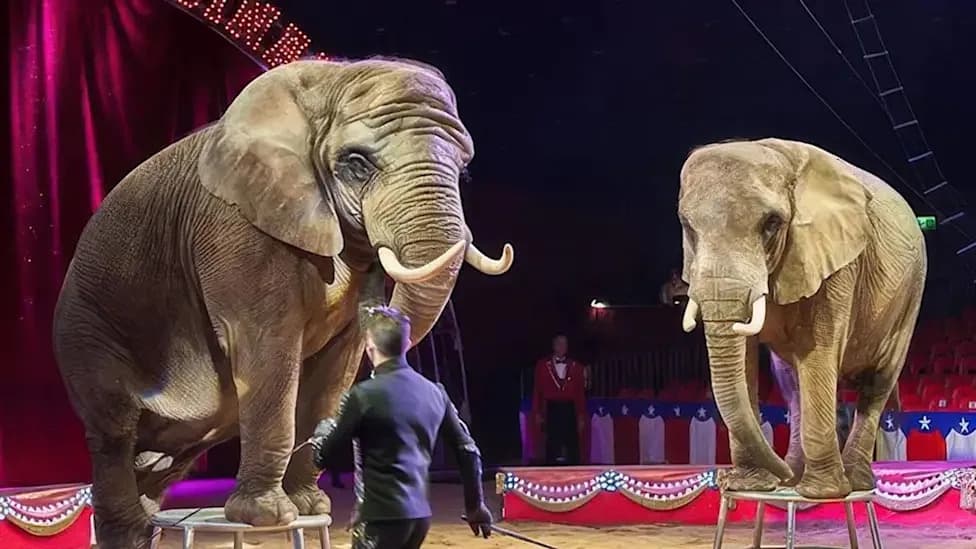
Photo Credit: Pangea Trust
Julie, an African elephant taken from the wild as a calf in the late 1980s and a fixture of Portuguese circuses since 1988, has been moved into retirement at Pangea Elephant Sanctuary in the Alentejo region.
The transfer took place in June after roughly 18 months of careful planning and construction to prepare appropriate facilities on the 1,000‑acre site. Pangea is independently registered as a charity in both the U.K. and Portugal and is the country’s first sanctuary purpose-built to care for elephants with histories in entertainment and other constrained environments.
Portugal’s 2024 ban on wild animal acts ended the country’s use of wild animals for performances, but it also created an urgent need for long-term homes for animals already in captivity. With no immediate alternative, Julie remained on the Víctor Hugo Cardinali circus grounds until Pangea negotiated her permanent relocation.
Sanctuary staff report that Julie adapted quickly to her new surroundings. Pangea aims to provide elephants more space, naturalistic settings, social opportunities, and relief from the demands of performing life. The site plans to accommodate about 20–35 elephants over time, though capacity is currently limited until additional barns and perimeter fencing are completed.
“There couldn't be a more fitting first resident than Portugal's last circus elephant,” said Kate Moore, Pangea’s managing director. “Our focus is now to give Julie the best possible quality of life in her time ahead.”
The move illustrates a common policy challenge: bans can stop future harm but also obligate authorities and charities to secure safe, permanent care for animals affected by those bans. Pangea is building the infrastructure and support systems necessary to fill that welfare gap.
Julie is the sanctuary’s inaugural resident; another wild‑caught female African elephant, Kariba, also in her 40s and currently housed alone at a Belgian zoo, is expected to arrive later this year.
Julie’s relocation marks both a symbolic and practical milestone in Portugal’s shift away from animal entertainment and toward long-term welfare solutions.
Help us improve.