Iran says negotiations with Oman on shipping through the Strait of Hormuz are in their final phase, with Foreign Minister Abbas Araghchi briefing the Cabinet. Foreign Ministry spokesman Esmaeil Baghaei stressed Tehran will not return the strait to its pre-war status and will not be intimidated. An agreement with Oman on a new route, he added, would not automatically open or close the waterway. The mid-June US‑Iran framework calls for Tehran to coordinate with Oman and other coastal states on future management.
Iran: Talks With Oman Over Strait of Hormuz Shipping Near Completion
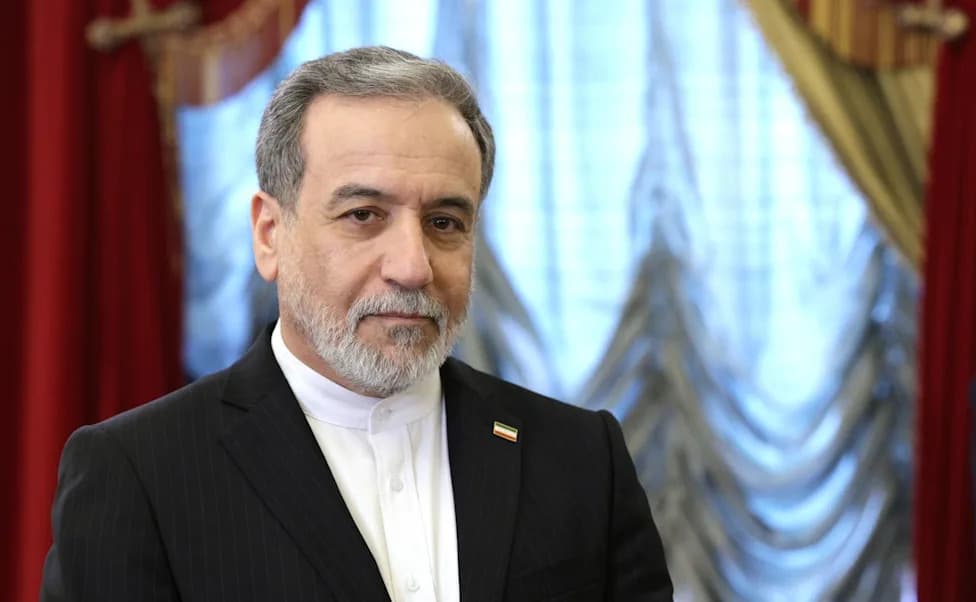
FILE PHOTO - Iranian Foreign Minister Abbas Araghchi arrives for a meeting in Saint Petersburg. (is associated with: «Iran says talks with Oman on Strait of Hormuz shipping in final phase») -/Kremlin/dpa
Iran says negotiations with Oman over shipping arrangements in the Strait of Hormuz are in their final phase, state news agency IRNA reported, after Foreign Minister Abbas Araghchi briefed the Cabinet at the start of its Sunday session.
Foreign Ministry spokesman Esmaeil Baghaei told broadcaster Press TV that the situation in the contested strait "would not revert to its pre-war status." He added that Tehran is acting in its own interests and will not be swayed by threats or intimidation. According to state broadcaster IRIB, Baghaei also emphasized that reaching an agreement with Oman on a new shipping route would not, by itself, constitute a formal opening or closure of the waterway.
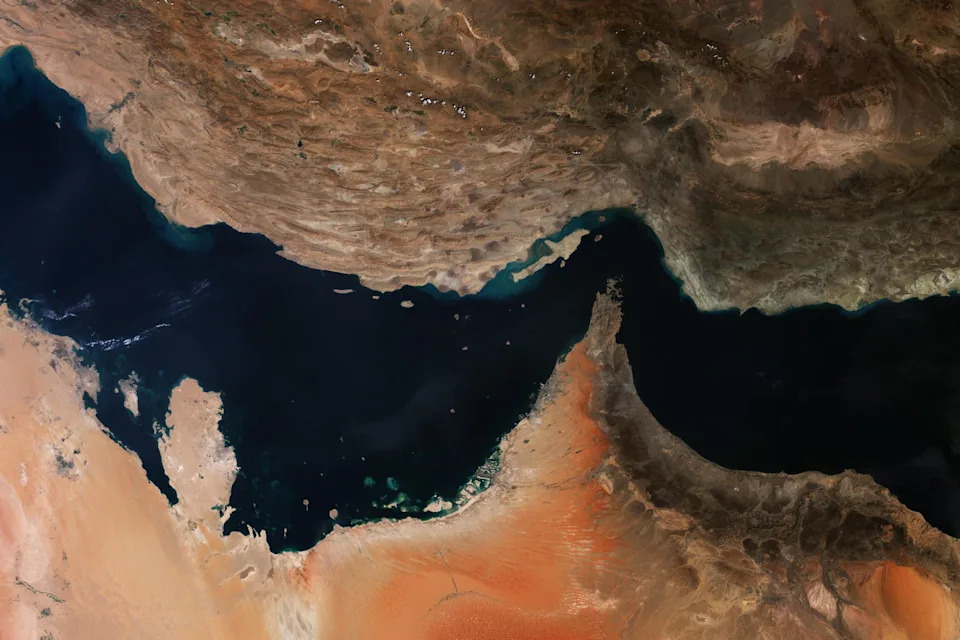
FILE PHOTO - A satellite image captured by Copernicus Sentinel-3A and provided by ESA shows the Strait of Hormuz, which connects the Gulf of Oman with The Gulf and separates Iran from the countries of the Arabian Peninsula. (is associated with: «Iran says talks with Oman on Strait of Hormuz shipping in final phase») -/ESA/dpa
Esmaeil Baghaei: "We will not change our decisions under pressure, and any agreement on routes does not automatically open or close the Strait of Hormuz."
The United States and Iran reached a framework understanding in mid-June under which Tehran is to conclude an accord with Oman — in coordination with the strait’s other coastal states — on future management of the waterway. No specific details of a possible agreement were released on Sunday.
Why It Matters
The Strait of Hormuz is a vital chokepoint for global energy and commodity shipments, including oil, gas and fertilizer. Disputes over transit rights through the corridor have been cited as a major trigger for recent escalations in military tensions between the United States and Iran. Any arrangement affecting navigation, inspection or transit rules could have significant implications for regional security and global energy markets.
What Remains Unclear
- No text of the Oman-Iran agreement has been published.
- It is unclear how coordination with other coastal states will be structured.
- There is no timeline yet for implementation or for any change to current maritime operations.
As talks conclude, observers will be watching for official details that clarify whether the deal affects legal transit rights, security arrangements, or operational routing — and how coastal states and global maritime operators will respond.
Help us improve.