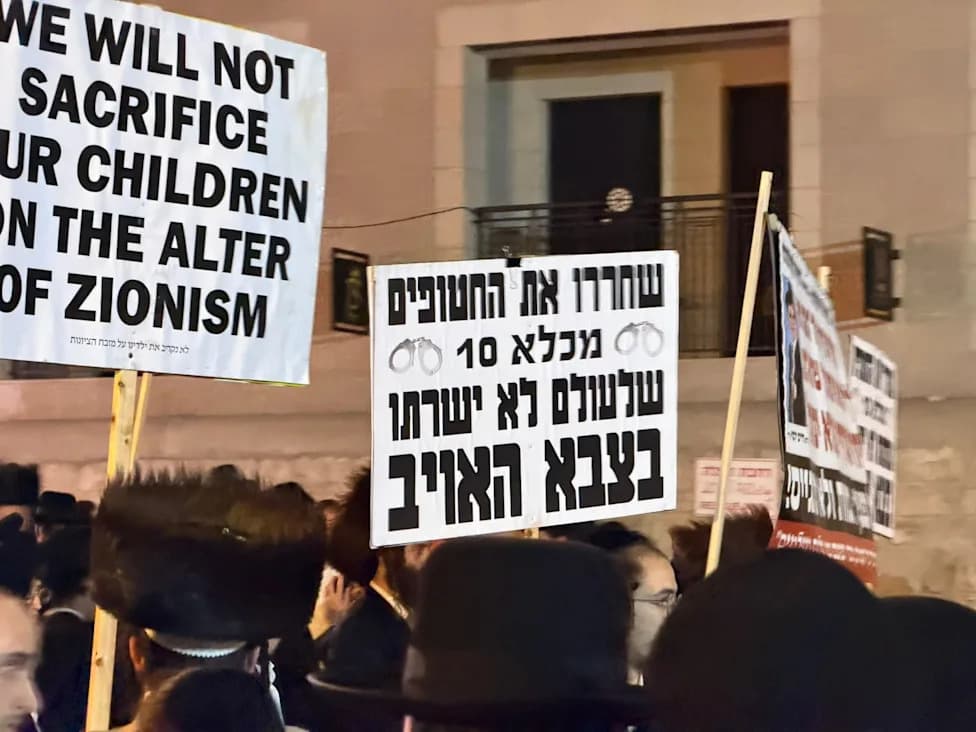
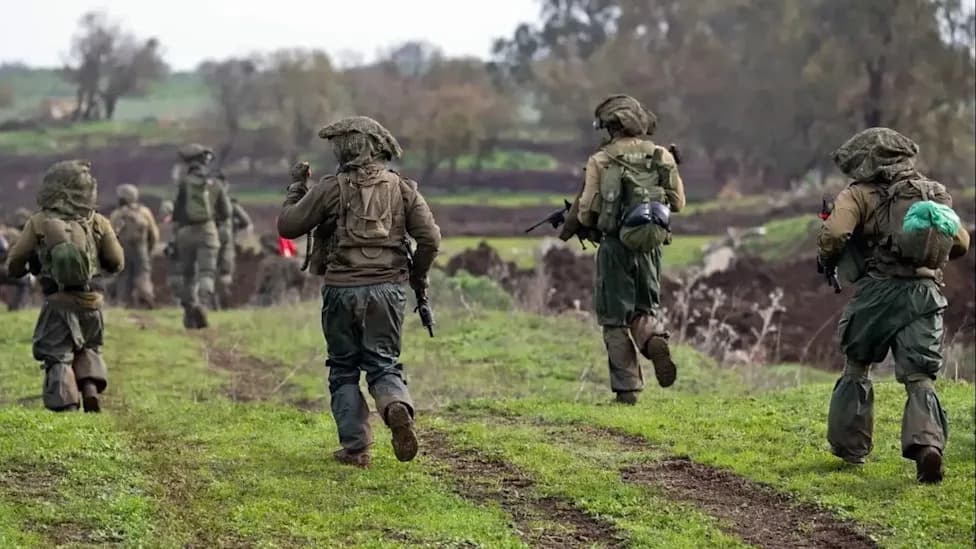
Netanyahu told senior officials he will not revive the temporary law that paused arrests of haredi draft evaders if re‑elected, calling the measure a failure. The Knesset-approved arrest‑freeze has been frozen by the High Court, which will decide whether to annul it. Military leaders and opposition figures say the bill undermines enlistment and national security amid a severe IDF manpower shortage.
Netanyahu: Haredi Draft Evaders Will "Enlist Or Go To Prison" — Controversial Arrest‑Freeze Law Will Not Be Revived
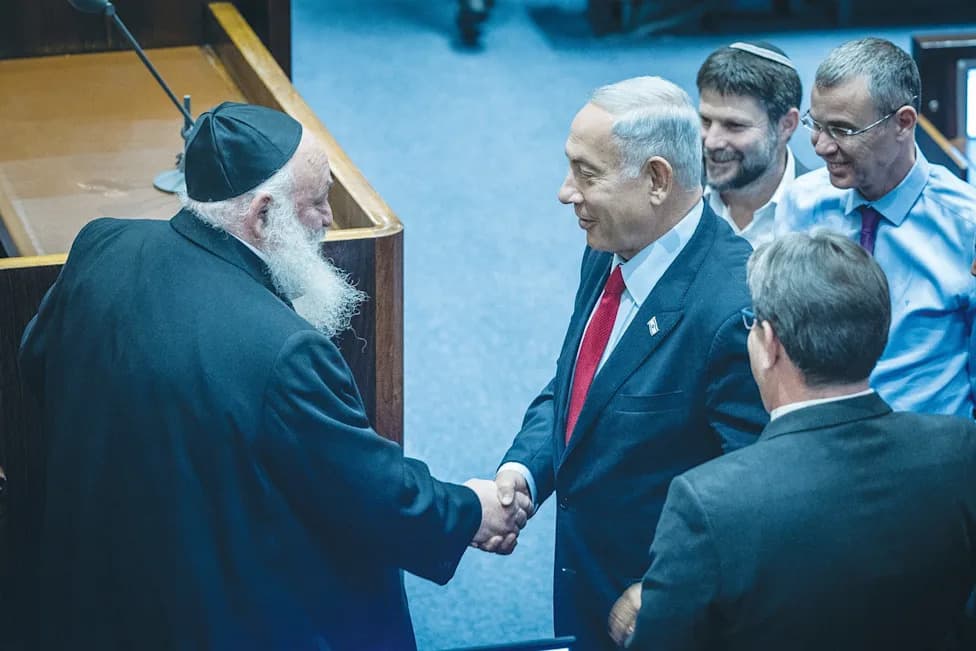
LIKUD LEADER BENJAMIN Netanyahu shakes hands with United Torah Judaism MK Yitzhak Goldknopf in the Knesset last week. If Netanyahu's promise of a full budget for all haredi educational institutions is realized, the already-low incentive to provide core studies will disappear entirely. (photo credit: YONATAN SINDEL/FLASH90)
Prime Minister Benjamin Netanyahu told senior officials in a closed‑door meeting that he will not try to revive the recently passed law that temporarily froze arrests of haredi (ultra‑Orthodox) draft evaders if he is re‑elected, according to public broadcaster KAN.
What He Said
KAN reported that Netanyahu acknowledged the arrest‑freeze legislation was unsuccessful and said it would not be pursued by his next government. The broadcaster quoted the prime minister as saying draft evaders who are not engaged in Torah study would either "enlist or go to prison."
Legislative And Legal Background
The Knesset approved the contested bill last month; it aimed to pause arrests of haredi draft evaders for a period expected to last at least six months. The High Court of Justice has since frozen the law and will decide whether to annul it.
Passage of the bill in its final readings prompted strong legal warnings that the measure was unbalanced and unlikely to boost haredi enlistment amid the Israel Defense Forces' severe manpower shortfall. Critics — including bereaved families and reservists — argued the bill undermined fairness and national security.
Security Concerns
IDF Chief of Staff Lt.‑Gen. Eyal Zamir warned before the legislation passed that implementing such a law would create a range of national security problems. In recent months Zamir has cautioned that, without a solution to the manpower shortage, the IDF could face severe strain.
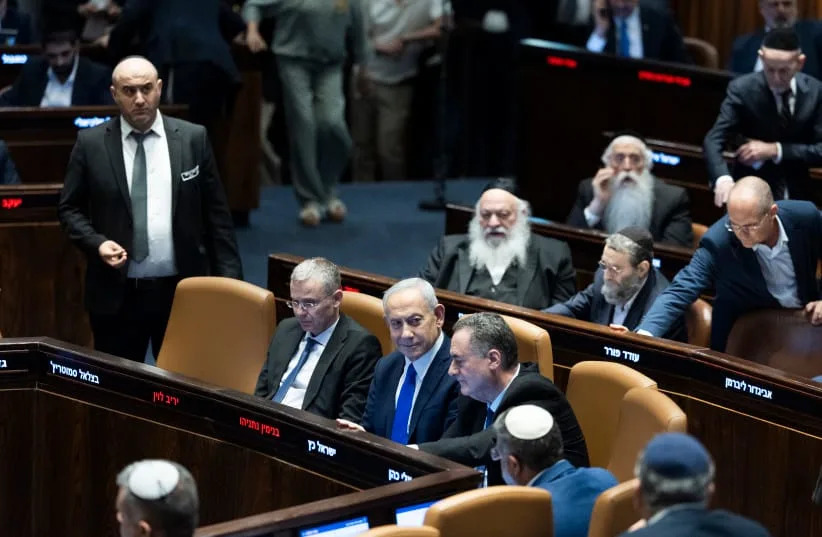
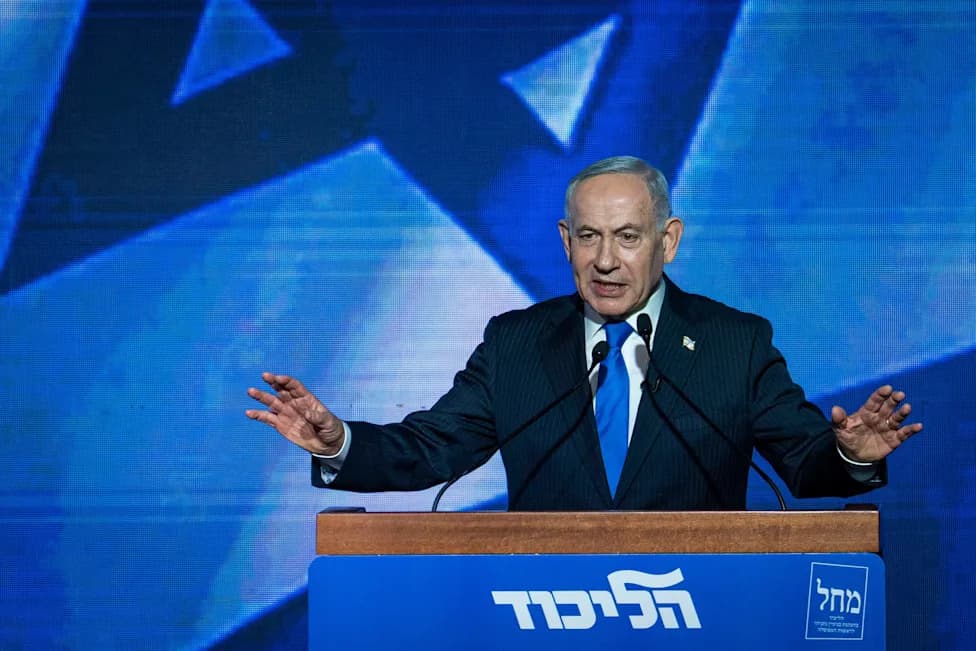
Prime Minister Benjamin Netanyahu attends a Knesset vote on a bill to freeze arrests of haredi draft evaders, in Jerusalem, July 14, 2026 (credit: CHAIM GOLDBERG/FLASH90)
Political Fallout And Reactions
Netanyahu reportedly said the temporary freeze was intended to "lower the flames and increase the number of recruits among the haredi public," framing it as a short‑term measure. A separate N12 report said he plans, after the next elections, to form a "broad national government" that would enact a "full conscription law that meets the IDF's needs."
Opposition leaders criticized the reported remarks as political spin. Yashar Party leader Gadi Eisenkot accused Netanyahu of holding the public in contempt and of blocking a genuine conscription law for four years. Former prime minister Naftali Bennett called the comments "pathetic spin."
Yisrael Beytenu leader MK Avigdor Liberman said the prime minister was diverting attention from his failures and noted his party has filed a petition with the High Court challenging the law. Other opposition figures, including Democrats leader Yair Golan and reservist leaders Yoaz Hendel and Chili Tropper, denounced the decision as sacrificing security for political survival.
Next Steps
The High Court remains set to rule on the law's legality. Netanyahu's pledge not to revive the draft‑freeze measure, coupled with talk of a post‑election full conscription law, leaves open questions about how — and whether — a broadly acceptable conscription solution can be negotiated to address the IDF's manpower needs.
Sources: KAN, N12, The Jerusalem Post.
Help us improve.