Conor Harding, 21, who beat childhood leukemia four times, has been diagnosed with glioblastoma, an aggressive and currently incurable brain cancer. He underwent surgery (requiring 65 staples), followed by chemotherapy and radiotherapy, but an MRI later showed three tumors had regrown. Conor and his parents shared their story during Glioblastoma Awareness Week to urge more research funding, while his father Trevor has raised nearly $23,000 running the London Marathon and plans further runs in 2026. Brain Tumour Research reports average survival for glioblastoma is 12–18 months, with limited long-term survival rates.
Survived Leukemia Four Times, Now Facing Incurable Brain Cancer: 21-Year-Old Conor Harding’s Story
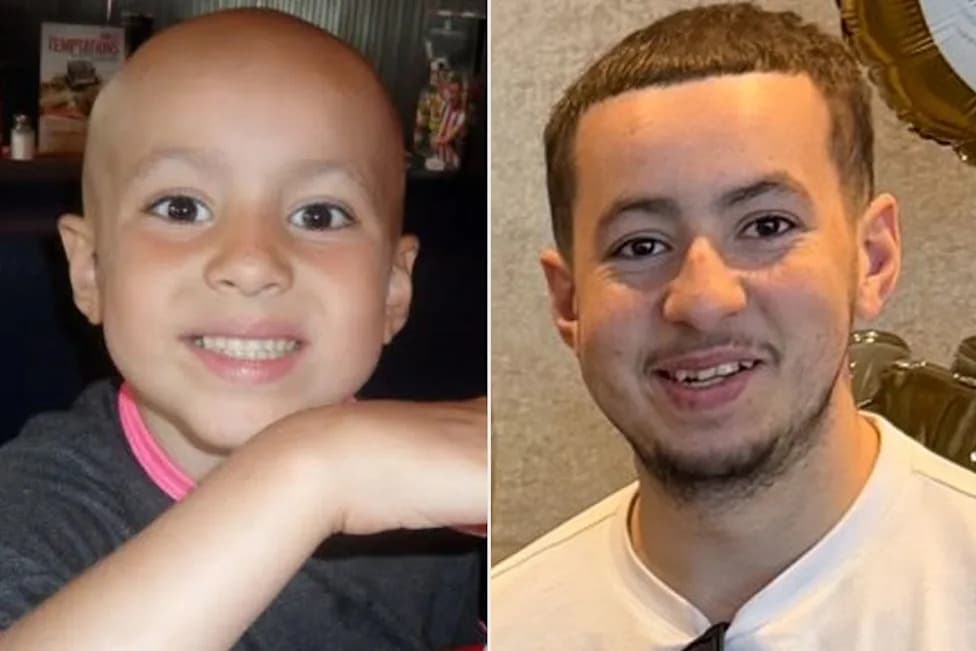
Conor HardingCredit: Courtesy of Conor Harding
Conor Harding, now 21, who survived childhood leukemia on four separate occasions, has been diagnosed with glioblastoma — an aggressive and currently incurable form of brain cancer, his family and the U.K.-based charity Brain Tumour Research say.
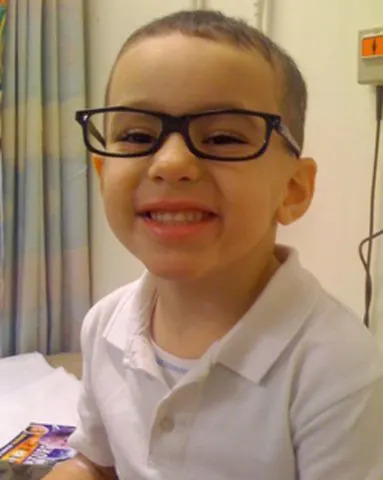
Conor as a childCredit: Courtesy of Conor Harding
Background
Conor was first treated for leukemia at age 5 and experienced multiple recurrences throughout his childhood. After completing treatment, he enjoyed more than four years cancer-free — a period he described as the first time he truly felt healthy and able to live like a typical teenager: playing rugby, socializing with friends and building close relationships.
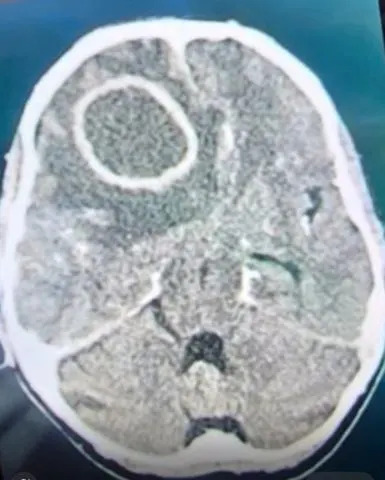
Scan of Conor's brain following his brain cancer diagnosisCredit: Courtesy of Conor Harding
Diagnosis and Treatment
In September 2025, after persistent headaches, Conor was diagnosed with glioblastoma. Doctors warned the family that the disease is likely to be fatal and described his condition as life-limiting. Conor underwent surgery that required 65 staples in his skull, followed by combined chemotherapy and radiotherapy. An MRI in February revealed that three of the tumors removed during surgery had regrown.
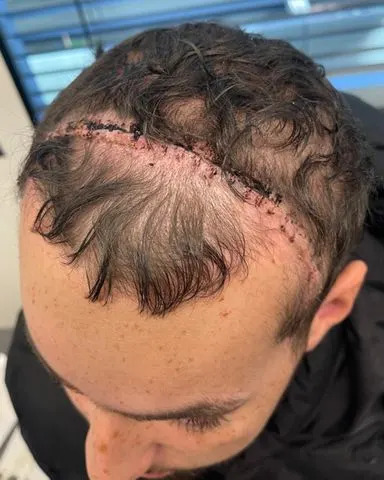
Conor's post-op scars following brain surgeryCredit: Courtesy of Conor Harding
"After being diagnosed with glioblastoma, the doctor said it will probably be the reason I pass," Conor said, adding that the news was particularly hard on his parents.
Family Response and Fundraising
Conor’s father, Trevor Harding, called the prognosis devastating. Determined to act, Trevor ran the London Marathon in April and raised nearly $23,000 for Brain Tumour Research. He plans to run two more marathons in 2026 to continue raising funds and awareness for brain tumor research.
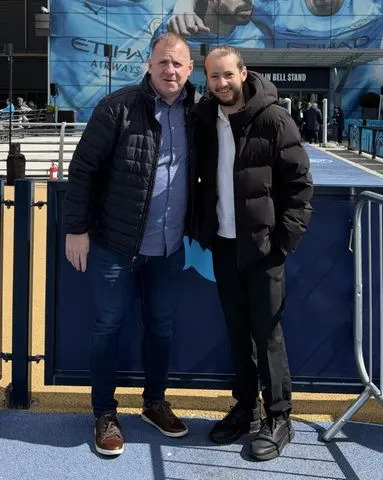
Conor (right) with his dad, Trevor HardingCredit: Courtesy of Conor Harding
The family shared their story during Glioblastoma Awareness Week in partnership with Brain Tumour Research to highlight the urgent need for better treatments and greater research funding. Trevor noted that brain tumours receive a disproportionately small share of national cancer research funding despite causing significant mortality among children and adults under 40.
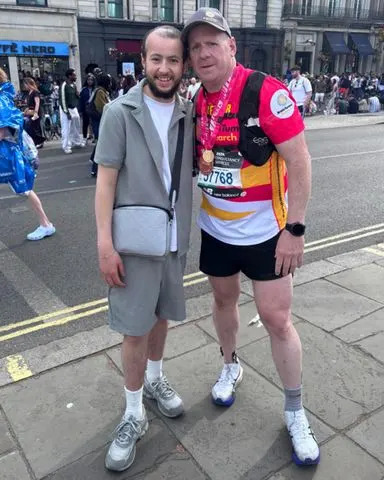
Conor and his dad after Trevor ran the London Marathon to raise funds for brain cancer researchCredit: Courtesy of Conor Harding
Prognosis and Call to Action
According to Brain Tumour Research, roughly one-third of people diagnosed with glioblastoma survive beyond one year, and about 4% live five years or more. Average survival is between 12 and 18 months, and there is currently no cure. The Hardings hope their public profile will help direct more attention and resources to research that could improve outcomes for others facing this diagnosis.
Credits: Details and quotes provided by Brain Tumour Research and the Harding family.
Help us improve.