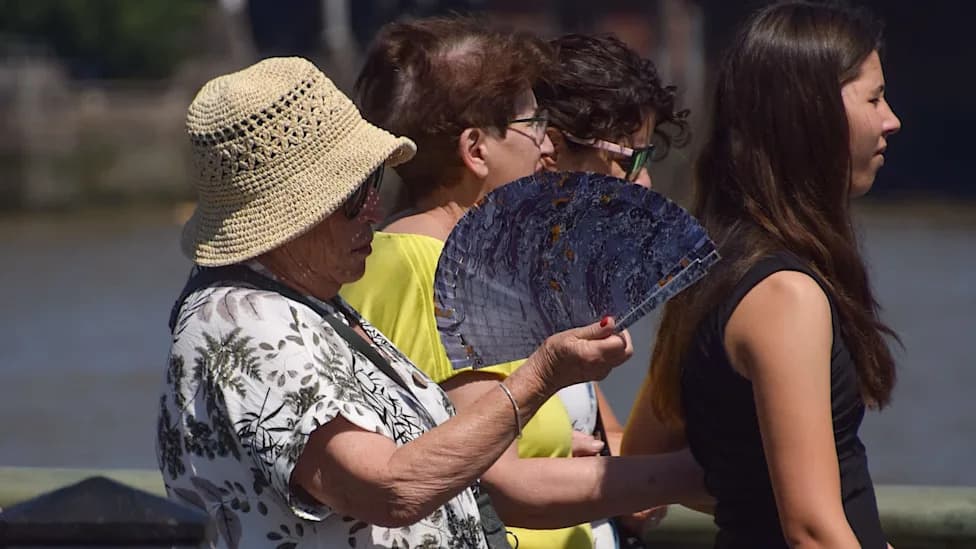
A modeling study in Geophysical Research Letters finds that warming air is keeping moisture aloft longer and carrying it farther before it falls as rain, especially in the Southwest and southern Plains of the U.S. Moisture now travels about 30–50 miles farther and remains airborne about 2–4 hours longer than roughly 35 years ago. The study also finds a shift toward ocean-sourced evaporation, which could make regional water supplies more interconnected and heighten the need for collaborative planning.
Warmer Air Is Carrying Raindrops Farther — Study Finds U.S. Rainfall Routes Are Shifting
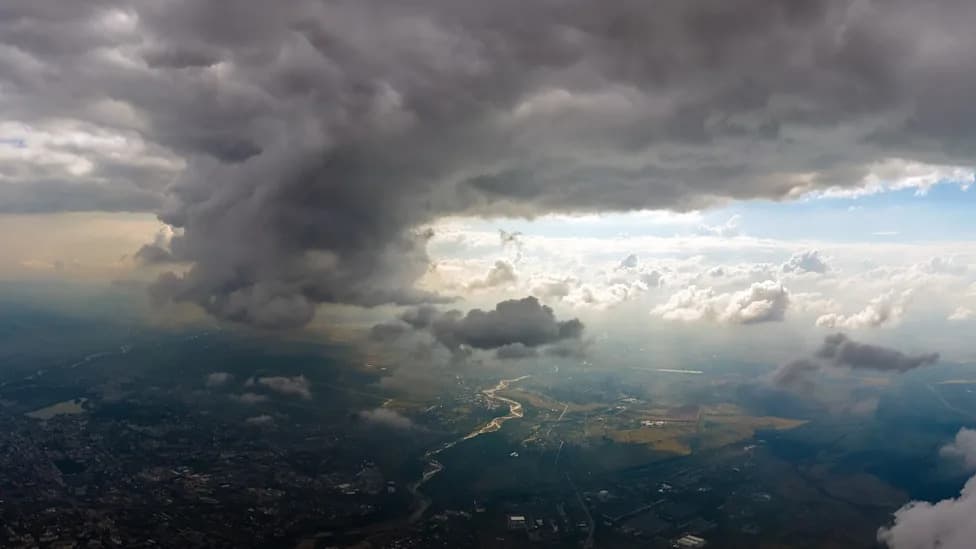
Photo Credit: iStock
Rising temperatures are lengthening the journey some raindrops take before they reach the ground, and researchers say the change involves more than shifting winds. A new modeling study shows that warming is altering both where atmospheric moisture originates and where it ultimately falls — a pattern that could reshape rainfall distribution across the United States.
The study, published in Geophysical Research Letters and led by University of Wyoming researcher Travis Aerenson and co-authors, analyzed U.S. moisture transport over more than three decades. It found that in parts of the Southwest and the southern Plains, water vapor now travels roughly 30–50 miles farther before condensing into precipitation compared with about 35 years ago. Across broad regions, moisture remains airborne about two to four hours longer before becoming rain.
What Changed and Why It Matters
Warmer air can hold more water vapor, but the study suggests warming also alters the geographic paths moisture follows. The researchers observed that a growing share of the evaporation feeding precipitation is coming from ocean surfaces, while land-based evaporation contributes a smaller share than in the past. When moisture travels farther and stays aloft longer, storms can deposit precipitation in different places than they used to — with consequences for agriculture, ecosystems, and water infrastructure.
Practical Implications
For households and communities, these shifts may mean more uncertainty: longer dry spells in some areas, heavier or more concentrated downpours in others, or storms that no longer follow familiar local patterns. Places that rely on predictable seasonal rainfall could face greater risk to water security and crop planning.
Because more rainfall may come from evaporation that originated outside a state or region, water supplies could become more interconnected. That increases the potential need for cross-jurisdictional collaboration on water management, land-use planning, and infrastructure investment.
Better Tracking Helps Planning
Improving scientists' ability to track atmospheric moisture movement gives water managers, planners, and policymakers a clearer picture of how warming is changing the chain from evaporation to rainfall. This information can support smarter land-use decisions and regional cooperation to sustain water resources under changing climate conditions.
The effects of global warming extend beyond higher temperatures to the subtler systems that carry water through the atmosphere. As those routes shift, places that depend on rain arriving at predictable times may need to adapt.
Help us improve.