Freedom of Information documents reveal that nearly 800 Commonwealth headstones and memorial panels removed from Basra War Cemetery were crushed in 2005 and used to fill a drainage soakaway at the Shaibah logistics base. The stones were reduced to "40mm" to render names and insignia unreadable. Campaigner Ben Soppitt — whose grandfather is buried at Basra — has launched a High Court judicial review against the MoD, which has filed a defence. The MoD says it cannot comment for legal reasons.
Documents Reveal British Army Crushed Nearly 800 Commonwealth Gravestones Removed From Basra
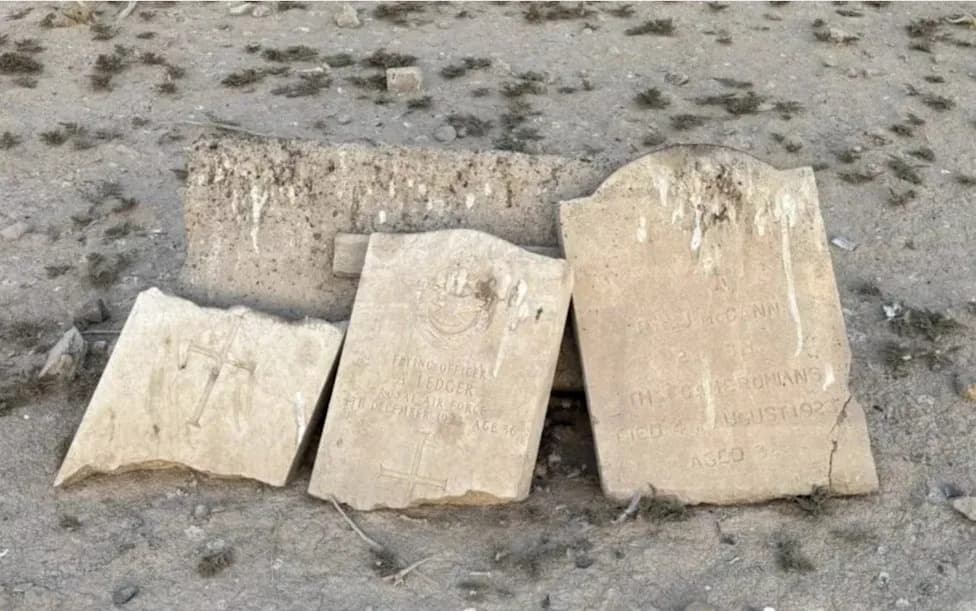
Hundreds of gravestones were removed from the Iraqi cemetery in 2003 over fears they could be destroyed or vandalised - Ben Soppitt
Newly released Freedom of Information documents show the British Army crushed almost 800 Commonwealth headstones and memorial panels that had been removed from Basra War Cemetery. The records say the stones were reduced to gravel and used to fill a drainage soakaway at the Shaibah logistics base in 2005.
What the Records Show
Hundreds of headstones engraved with the names of servicemen and women from the First and Second World Wars were taken from Basra War Cemetery in southern Iraq in 2003 amid concerns they might be vandalised or damaged. An additional 80 large memorial panels bearing regimental crests and names were also removed.
FOI disclosures published by an archive documenting Commonwealth graves in Iraq record that, by 26 March 2005, authority had been given for the stones to be crushed to "40mm, to ensure that no insignia or names are readable" and that the crushed material would be used to fill a drainage ditch (the "soakaway") at the Army's Shaibah logistics base, about nine miles from Basra. A subsequent document dated 5 April 2005 states: "The gravestones have now been crushed and are ready to be placed in the soakway."
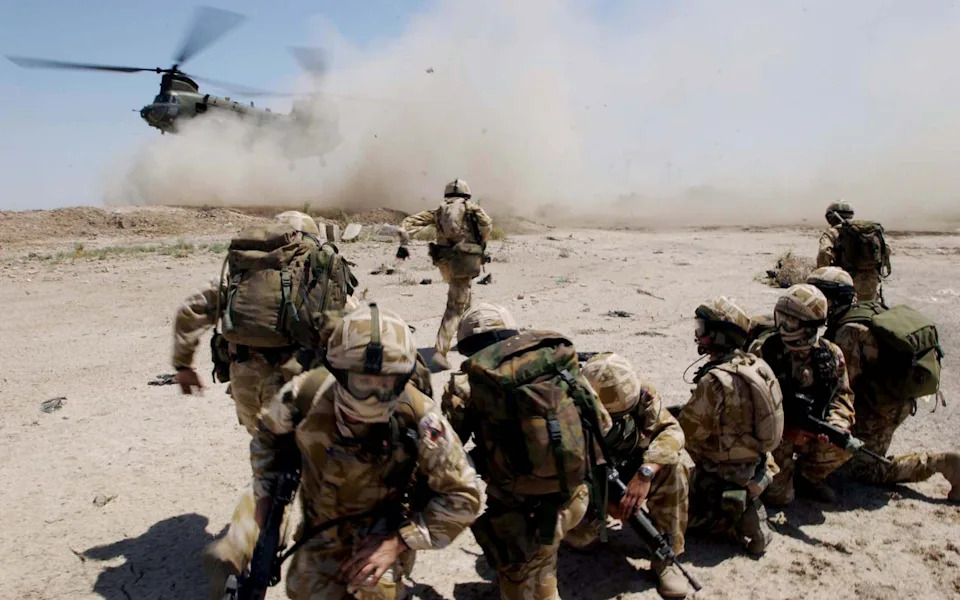
British soldiers in Basra, southern Iraq, in 2004 - iles Penfound/British Army via Getty Images
Who Was Involved
Nearly 800 gravestones are believed to have been destroyed in total. The work is recorded as having been overseen by 64 Works Group Royal Engineers. Minutes and emails cited a "requirement for a rock crusher," and one note recorded an unnamed individual suggesting the stones "could be destroyed by a sledge hammer."
Remains and Commemoration
The records indicate the remains of those buried at Basra remained interred at the cemetery, but the headstones and memorial panels were not returned; many graves are now without marked memorials. Relatives and campaigners say this has deprived families and the public of proper commemoration for those who served and died.
Legal Challenge and Reactions
Ben Soppitt, whose grandfather Gunner Joseph Soppitt is recorded as buried at Basra War Cemetery, published the FOI material and has launched a High Court application for a judicial review challenging the decision to destroy the gravestones. The Ministry of Defence initially refused Mr Soppitt's FOI request in February 2026 and released the documents only after the Information Commissioner's Office intervened; the MoD has submitted a defence to the judicial review and said it cannot comment for legal reasons.
Ben Soppitt: "The MoD is fighting this claim, unwilling to bear the cost of ensuring the over 3,000 men and women buried there are properly commemorated with the honour they deserve and that the public expects."
Lord Richards (former Assistant Chief of the General Staff 2002–2005): "I am deeply saddened by what happened to this cemetery. With the benefit of hindsight there is, of course, no excuse. However, I have no doubt that in the dangerous and febrile environment of Basra at the time, the officers who took this decision thought they were doing the right thing."
Context
The disclosures have prompted renewed debate about how the Ministry of Defence handles the protection and commemoration of Commonwealth war graves overseas, particularly in conflict zones. The judicial review will examine whether the decision to destroy the headstones was lawful and whether adequate steps were taken to preserve the dignity of those commemorated.
Help us improve.