Fifty-year-old farmworker Palli Mahalaxmi died of heat stroke after digging a government-funded reservoir during a heat wave that pushed temperatures above 104°F. Officials recorded her death as heat-related, but experts say many similar fatalities go uncounted. A UC Berkeley analysis suggests a single day of extreme heat could be linked to roughly 3,400 additional deaths in India. Researchers urge better mortality tracking, early-warning systems and systemic protections for outdoor workers.
Indian Farmworker Dies After Laboring in 104°F Heat, Exposing a Hidden Toll
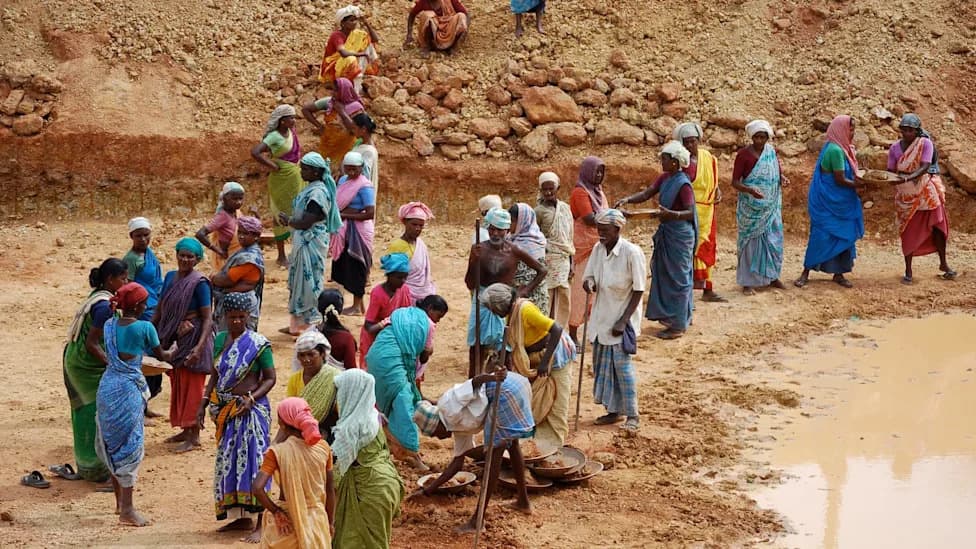
Photo Credit: iStock
Palli Mahalaxmi, a 50-year-old farmworker in southern India, collapsed and later died of heat stroke after digging a water reservoir during a severe heat wave. The case highlights concerns that India’s official heat-death counts capture only a fraction of the true burden.
A Day of Unrelenting Heat
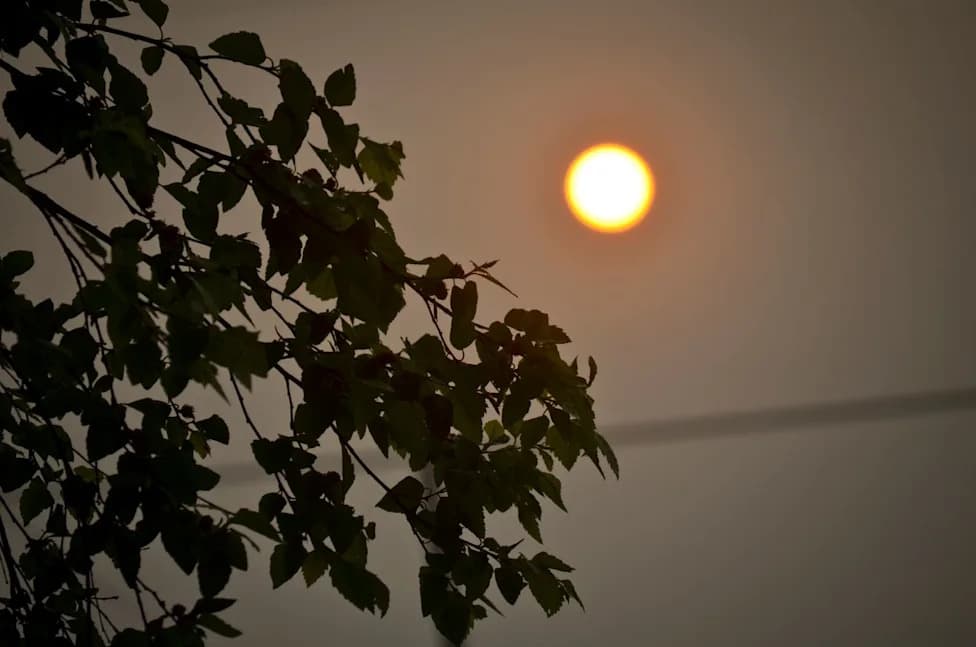
According to reporting in the Guardian, Mahalaxmi got up around 5 a.m. on a hot May morning to work on a government program that guarantees employment for lower-income families. Temperatures exceeded 104°F (40°C) and the heat persisted even into the night. After finishing her shift she returned home exhausted, collapsed in her bedroom, and was later pronounced dead from heat stroke.
"The heat was terrible, and that makes the work very difficult. When you drink water, you just sweat it out immediately. Sometimes we got dizzy — but what choice do we have?" — Parvati Purilla, friend and co‑worker
Immediate Consequences for Her Family
Mahalaxmi's husband, Palli Shyam Sundha Rao, said the family has not received compensation and now lacks its primary earner. He is unable to work while caring for a son with a disability, underscoring how a single death can have long economic and social reverberations for vulnerable households.
Wider Public-Health Concerns
Officials recorded Mahalaxmi's death as heat-related, but doctors and researchers warn many similar fatalities go uncounted. Government figures cited in the report list 460 heat deaths in 2024 and 84 so far in 2025, while a University of California, Berkeley analysis estimated that a single day of severe heat could be associated with roughly 3,400 additional deaths across India.
Heat waves are becoming more frequent, longer and more intense as the climate warms. Large numbers of Indians work long hours outdoors or in poorly ventilated spaces with limited shade, cooling or access to medical care. Untreated heat stroke can be fatal, and extreme heat also exacerbates heart, kidney and other chronic diseases.
Experts Call for Better Tracking and Protections
Researchers and clinicians say official counts likely understate the true toll. "Heat deaths are a catastrophic disaster that are avoidable, predictable, and are steadily going to get worse," said Ashok Gadgil, a co‑author of the UC Berkeley study. India's finance ministry has this year classified heat waves as a national disaster, a step that could unlock more formal planning and funding.
Dr. Amlendu Yadav, head of the heatstroke unit at Ram Manohar Lohia Hospital in Delhi, told the Guardian he has seen more deaths during heat waves and suspects many are never recorded as heat-related. Experts urge improved mortality tracking, stronger early-warning systems, better emergency response and systemic worker protections.
Practical Steps And Policy Needs
Short-term risk reduction measures include shifting work hours to cooler parts of the day, enforcing frequent rest breaks, ensuring ready access to drinking water, and providing shaded or cooled shelters for outdoor workers. However, experts stress that individual precautions cannot replace policy actions to protect vulnerable communities and to build resilience as extreme heat grows more severe.
Legacy: Mahalaxmi's death is a stark example of how climate-driven heat threatens lives and livelihoods, particularly among the poorest workers. Advocates say stronger public health surveillance and labor protections are urgently needed to prevent more such tragedies.
Help us improve.