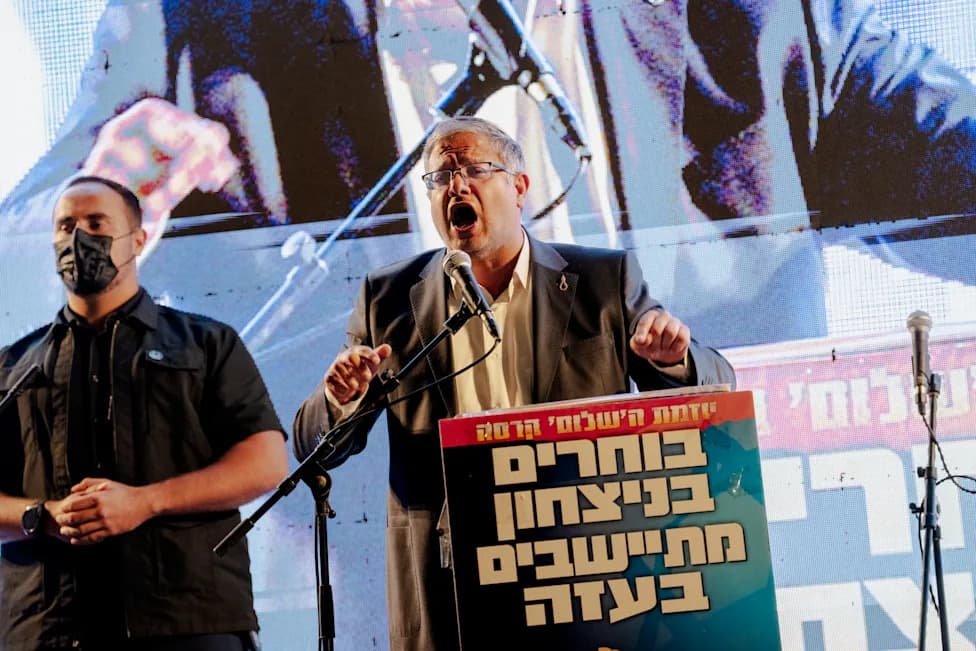
The Tell confrontation near Nablus, which left four Palestinians and two Israeli soldiers dead, has deepened competing narratives about settler violence and Palestinian responses. Video evidence is inconclusive, and the event’s territorial status is disputed, complicating claims of responsibility. International data and advocacy groups disagree over how incidents are categorized, while heightened military operations and sharp rhetoric raise the risk of broader escalation across the West Bank.
Deadly Clash in Tell Near Nablus Raises Fears of a West Bank Turning Point
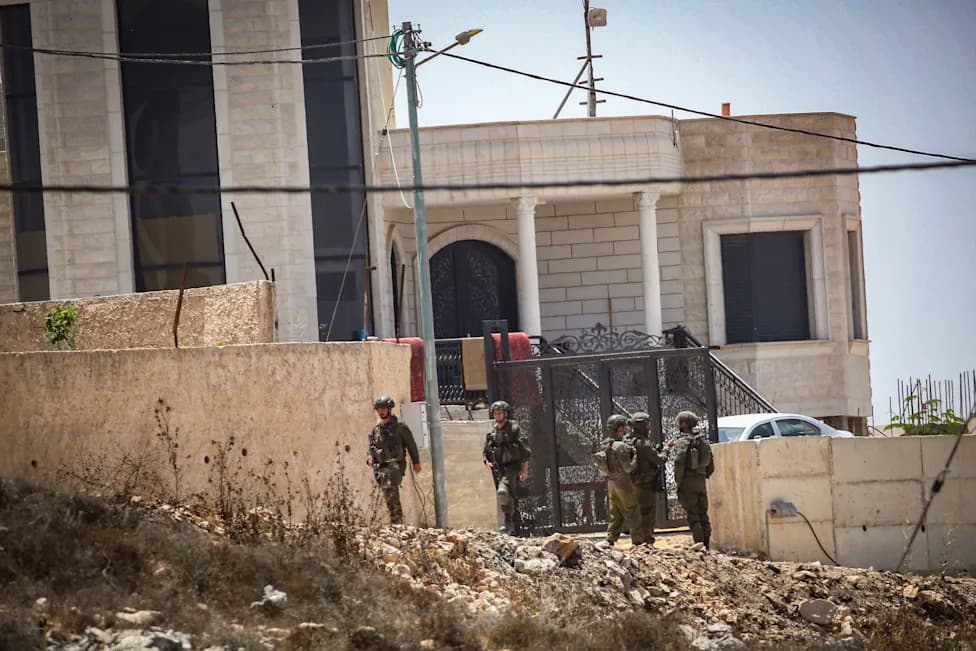
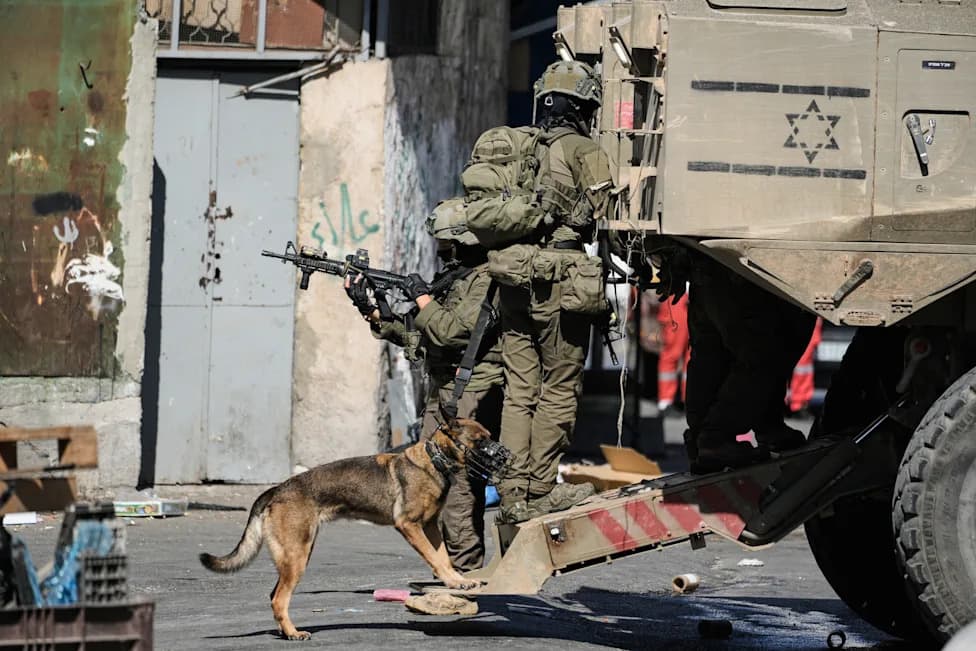
Israeli soldiers operate in the village of Tell, near the West Bank city of Nablus, July 25, 2026. (photo credit: NASSER ISHTAYEH/FLASH90)
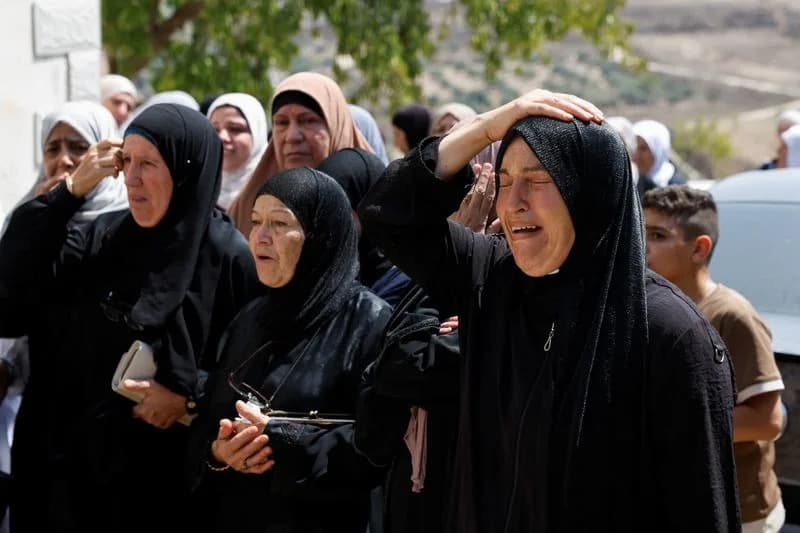
The deadly confrontation in Tell, southwest of Nablus, has intensified long‑standing tensions across the West Bank and raised alarms that local clashes could spiral into a wider uprising. Conflicting accounts — Palestinian witnesses and activists on one side, Israeli officials and some lawmakers on the other — disagree about who instigated the violence. Four Palestinians and two Israeli soldiers were killed in the incident; video footage has captured parts of the event but does not conclusively resolve the sequence of shots that led to each death.
What Happened
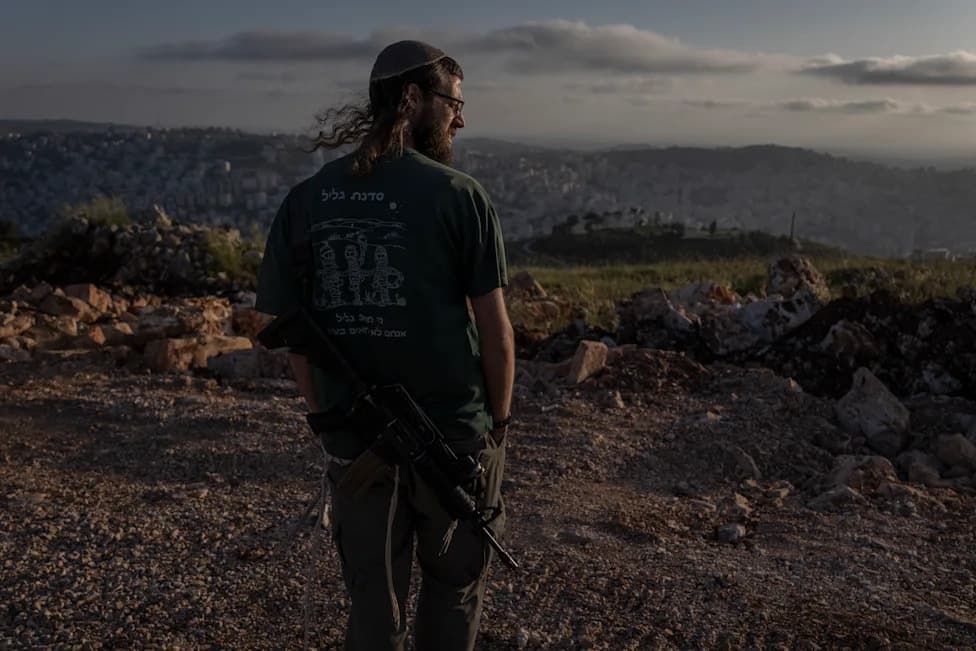
Palestinian witnesses say armed settlers entered areas around Tell and confronted village residents. According to that account, a Palestinian seized a weapon from an Israeli during the encounter and fired; Israeli soldiers later became involved. Israeli spokespeople described the episode as a terrorist attack, emphasizing that Palestinians had taken possession of a firearm and used it against Israelis. Publicly available videos document portions of the confrontation but do not definitively identify who fired every shot or the exact chronology of the fatalities.
Competing Narratives
Palestinian perspective: Analysts and local leaders link the incident to settlement expansion, the spread of agricultural outposts, and pressure on Palestinian land, water and livelihoods. Abdallah Abu Rahma, director general at the Colonization and Wall Resistance Commission, said residents in Tell were unarmed and inside their homes when Israelis approached. He acknowledged a Palestinian later took a weapon but said the man was trying to surrender rather than carry out a planned attack.
"The Palestinian citizens in Tell were not armed. They were on their own land and inside their homes," Abu Rahma said. "Farouq then managed to throw away the weapon he had taken because he did not want to carry out any operation. He went to surrender himself to the army."
Israeli perspective: Israeli officials and some lawmakers call the event a terrorist attack and stress that Palestinians used a seized firearm against Israelis. Naomi Kahn of Regavim cautioned that initial allegations against settlers can dominate public coverage even when later details complicate the narrative. Lawmaker Simcha Rothman argued classification determines how casualties are recorded and the wider public response.
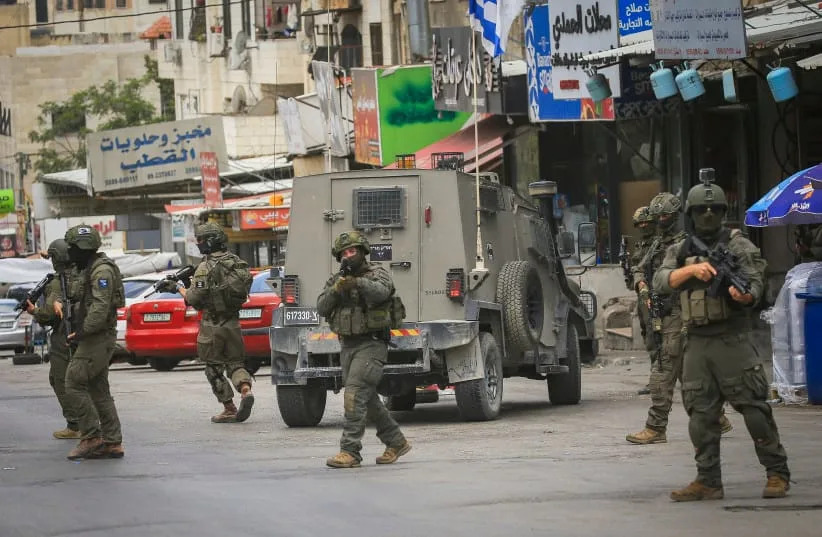
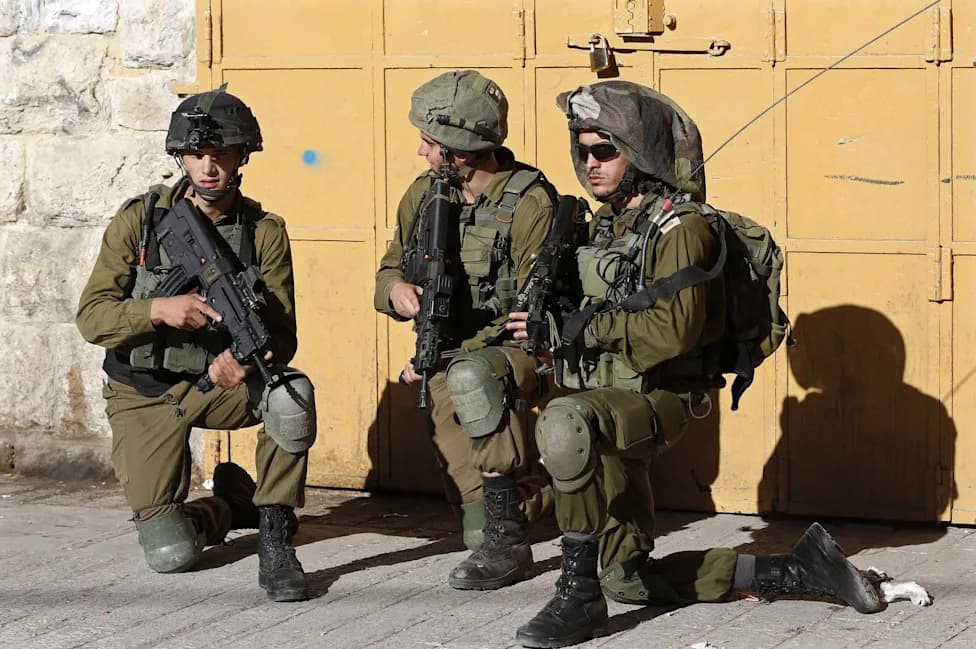
ISRAELI SECURITY forces operate during a raid in the West Bank city of Nablus, May 3, 2026. (credit: NASSER ISHTAYEH/FLASH90)
Territorial And Legal Questions
The precise location of the incident is disputed. Under the Oslo framework, Areas A, B and C carry different arrangements of civil and security control; outlets and analysts have variously placed Tell near the seams between these zones. That ambiguity feeds disagreements over whether Israel or the Palestinian Authority bears primary responsibility for security and access in the area.
Data, Documentation And Debate
International agencies and advocacy groups also differ on how incidents are cataloged. The UN Office for the Coordination of Humanitarian Affairs (OCHA) documents a sustained rise in settler-related incidents that have caused Palestinian casualties or property loss. Regavim, an Israeli land‑use advocacy group, reviewed thousands of OCHA entries and argued the dataset mixes deliberate attacks with acts of self-defense, administrative enforcement and clashes involving security forces; OCHA’s data, Regavim notes, includes Palestinians killed or injured during attacks or alleged attacks.
Aftermath And Risk Of Escalation
Following the Tell confrontation, the Israeli military intensified operations across the northern West Bank: roads and village entrances were blocked, searches were conducted, and dozens of Palestinians were detained. Israeli authorities said measures were necessary to locate suspects and seize weapons; local activists said closures and checkpoints curtailed freedom of movement, worship, education and access to medical care. Political rhetoric on both sides has hardened, and further clashes were reported in and around Nablus and Hebron.
Analysts warn that if political and security institutions lose the capacity to restrain violence, local incidents could cascade into broader unrest. Some interviewees called for international intervention, local protection committees and nonviolent resistance; others warned against direct armed confrontation between Palestinian forces and Israeli security elements, saying such escalation would be disastrous for civilians on both sides.
Key Takeaway
The Tell confrontation underscores deep divisions over causation, responsibility and accountability. With public footage inconclusive, competing narratives and contested territorial status, the incident highlights how localized violence can reverberate politically and risk wider escalation across the West Bank.
Help us improve.