Preservation groups in South Carolina warn that a July 24 draft rule from the Advisory Council on Historic Preservation would shift much of the Section 106 review work to federal agencies, cutting back the roles of State Historic Preservation Offices, local organizations and public input. Critics say the change could increase the risk of irreversible loss to historic places, complicate planning and invite legal challenges. About 1,700 sites in South Carolina are listed on the National Register and could be affected.
South Carolina Preservationists Warn Federal Rule Change Could Curtail Local Oversight Of Historic Sites
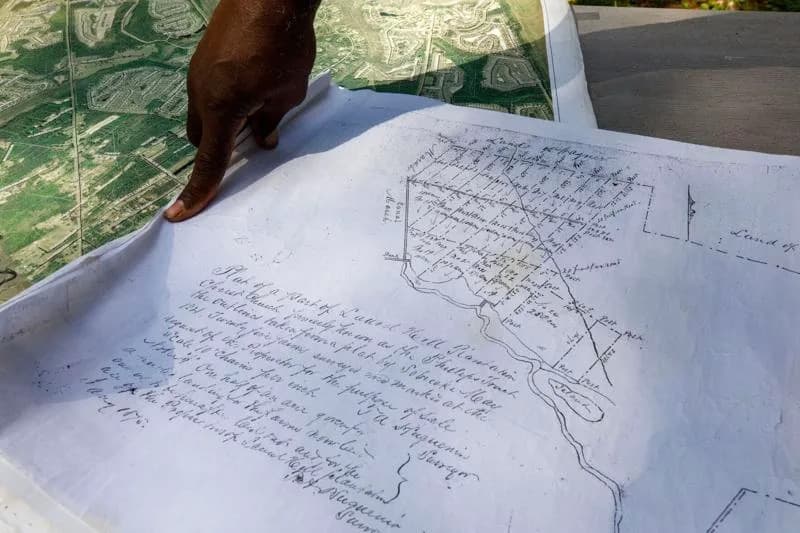
Maps of Laurel Hill Plantation, a portion of which became the Phillips community, which was listed on the National Register of Historic Places in 2023. File/Grace Beahm Alford/Staff
Preservation groups across South Carolina are sounding the alarm over a proposed rewrite of federal rules governing Section 106 reviews — the process that requires federal agencies to identify, avoid or mitigate harm to historic places when projects are led, funded or permitted by the federal government.
On July 24, the federal Advisory Council on Historic Preservation advanced a draft revision that would shift much of the responsibility for evaluating the effects of projects onto federal agencies themselves. Critics say the change would reduce the role of State Historic Preservation Offices (SHPOs), local preservation organizations, municipal governments and the public in reviewing and shaping projects that could affect historic resources.
What the Draft Would Change
Under the proposal, agencies could conduct identification and assessment work internally and then present a single report to the state office for comment, rather than engaging proactively with state and local stakeholders or inviting broad public input during the review. Preservation leaders warn this could lead to weaker protections, poorer project planning and more legal disputes.
"It would put some of these historic places at real risk for irretrievable loss or damage," said Sam Spence, director of public affairs for the Preservation Society of Charleston.
The council's memo frames the draft as a more flexible and streamlined alternative to the current approach, which it says can cause delays, confusion and unanticipated costs. An agency spokeswoman, Ashley Fry, said the administration directed agencies to review regulations and that Section 106, last updated in 2004, is ripe for reconsideration.
Local Impact And Examples
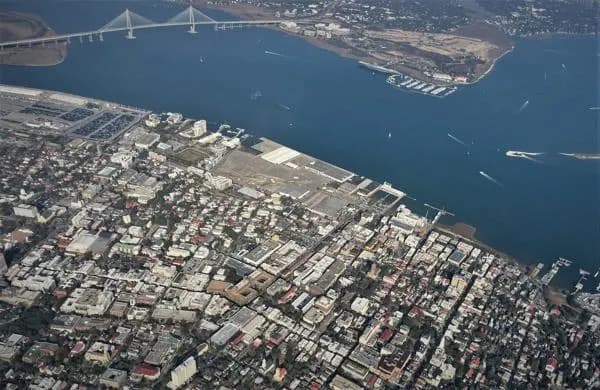
Section 106 stems from the National Historic Preservation Act and applies to projects that might affect properties listed in or eligible for the National Register of Historic Places. About 1,700 South Carolina sites are on that register. High-profile local projects that previously underwent Section 106 review include the redevelopment of the former Charleston Naval Base and the proposed seawall around the Charleston peninsula.
"As it stands, the review requires federal agencies to 'stop, look and listen,'" said Elizabeth Johnson, a deputy state historic preservation officer. Eric Emerson, South Carolina's state historic preservation officer, cautioned that under the draft rules the state "just gets to comment, and they get to do whatever they want."
"Weakening Section 106 would weaken the public's ability to speak for places like them when federally connected projects place historic resources at risk," John Sheerer, director of preservation at Historic Columbia, wrote in a statement.
How Reviews Work Now
Currently, when a federal project may harm a historic property, agencies work with SHPOs and local stakeholders to avoid or minimize damage, or—if avoidance is not possible—to mitigate harm (for example, through professional documentation). The process does not give local groups veto power, but it can delay projects: the advisory council memo noted that in extreme cases reviews have taken nearly seven years.
South Carolina's SHPO was established in 1969 within the S.C. Department of Archives and History and receives partial funding from the National Historic Preservation Fund, which is financed by revenue from offshore oil and gas leases.
Outlook
Preservation leaders say the proposed changes would deprive reviews of local historical knowledge, reduce transparency, and lower the threshold for how much agencies must do to avoid or mitigate harm. Supporters of the revision argue it would reduce delays and regulatory uncertainty. The proposal is not final and could be revised after public comment and consultation.
Help us improve.