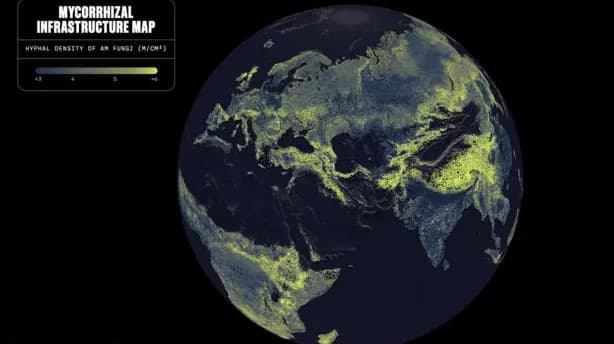
University of Michigan researchers found abundant fungi and tiny animals in ancient groundwater from the Antrim Shale, sampled at depths of 650–1,640 feet. Analyses estimated roughly 250 fungal cells per drop and identified 689 fungal species, including 13 new to science. Isotope data indicate some water last contacted the surface ~11,000 years ago, and subsurface life could influence deep carbon cycling and greenhouse-gas production.
Hidden Forests Underground: Fungi, Tardigrades and Worms Found Hundreds of Feet Below Michigan
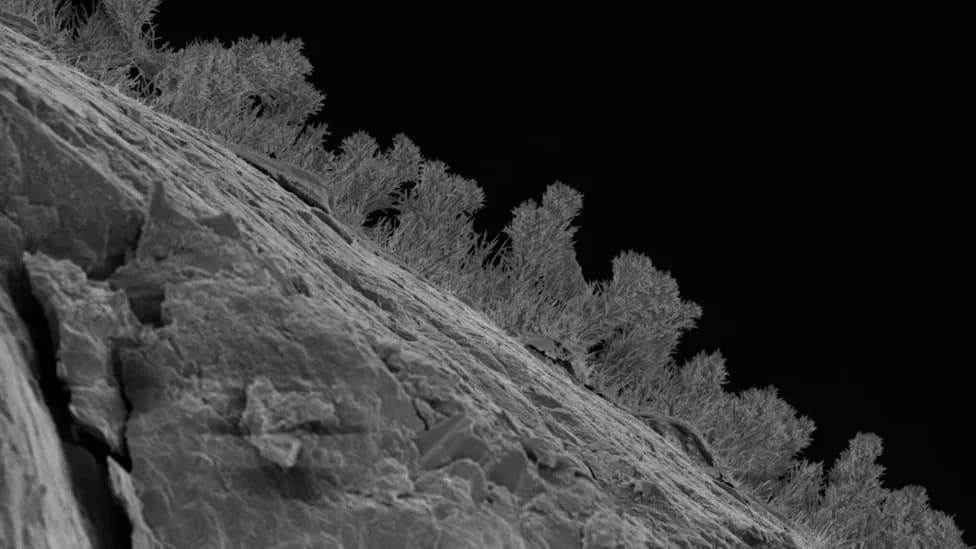
Photo Credit: Quinn Moon / University of Michigan
Life far beneath the surface of the Earth may be far richer and more active than scientists long assumed. A new study by University of Michigan researchers found abundant fungi and tiny animals in ancient groundwater flowing through the Antrim Shale, hundreds of feet below Michigan.
Key Findings From Subsurface Water Samples
The team sampled water brought up from gas wells tapping the Antrim Shale at depths between about 650 and 1,640 feet. Combining microscopy with genetic sequencing, they estimated that a single drop of the deep groundwater contains roughly 250 fungal cells — a concentration comparable to a drop of ocean water. The study, led by doctoral candidate Quinn Moon and published in The ISME Journal, cataloged 689 distinct fungal species, including 13 species previously undescribed.
In addition to fungi, researchers also detected multicellular animals: tardigrades ("water bears") and small segmented worms. These discoveries point to a functioning subsurface food web rather than a landscape inhabited only by dormant microbes.
"Our study challenges the idea that it's inhospitable for more complex life like fungi in the deep subsurface, and under favorable conditions, eukaryotes can be quite abundant," said Quinn Moon.
Age, Origins, And Ecological Implications
Isotope analyses indicate much of the sampled water likely originated from glacial melt near the end of the last Ice Age; some of it "was last in contact with the surface 11,000 years ago," Moon said. The researchers propose that fungi and bacteria migrated downward into fractured rock and have been consuming ancient organic material trapped there.
That activity has implications for the global carbon cycle. If subsurface fungi and other organisms break down buried organic carbon into gases such as methane and carbon dioxide, deep rock formations may be more dynamic contributors to greenhouse-gas fluxes than previously thought. Senior author Tim James, curator of fungi at the University of Michigan Herbarium, urged that "fungi need to be incorporated into models of carbon cycling and sequestration in the subsurface."
Resources For Future Research
To enable more detailed study, the team isolated and cultivated more than 200 fungal strains from the deep subsurface and established what the University of Michigan describes as the first public collection of deep subsurface fungi. That collection is now housed at the University of Michigan Herbarium and is available for future research on extremophile life, underground ecosystems, and carbon cycling.
The researchers are also developing tools to help other scientists access and study this hidden world in greater detail. Moon noted that similar ecosystems may exist elsewhere, especially in deep rock formations associated with oil and gas reservoirs.
Why It Matters: These findings reopen questions about where life can thrive, how ancient carbon stores are transformed, and how much unseen biology exists below our feet.
Help us improve.