Three siblings in Khan Younis, Gaza, — Sama (97.5%), Abdullah (94.6%) and Nada (94.4%) — passed the Tawjihi exams on July 24 after a year marked by displacement, trauma and damaged schools. Teachers provided home tutoring and psychological support while many lessons took place in shelters or makeshift classrooms. Education officials report roughly 89,000 students sat the exams across the West Bank, East Jerusalem and Gaza, with another 2,000 abroad; more than 1,100 students due to take the tests this year were killed. UN assessments warn that over 97% of Gaza’s schools were damaged or destroyed and nearly 92% need major reconstruction.
Gaza Siblings Score Top Tawjihi Results Amid Devastation and Displacement
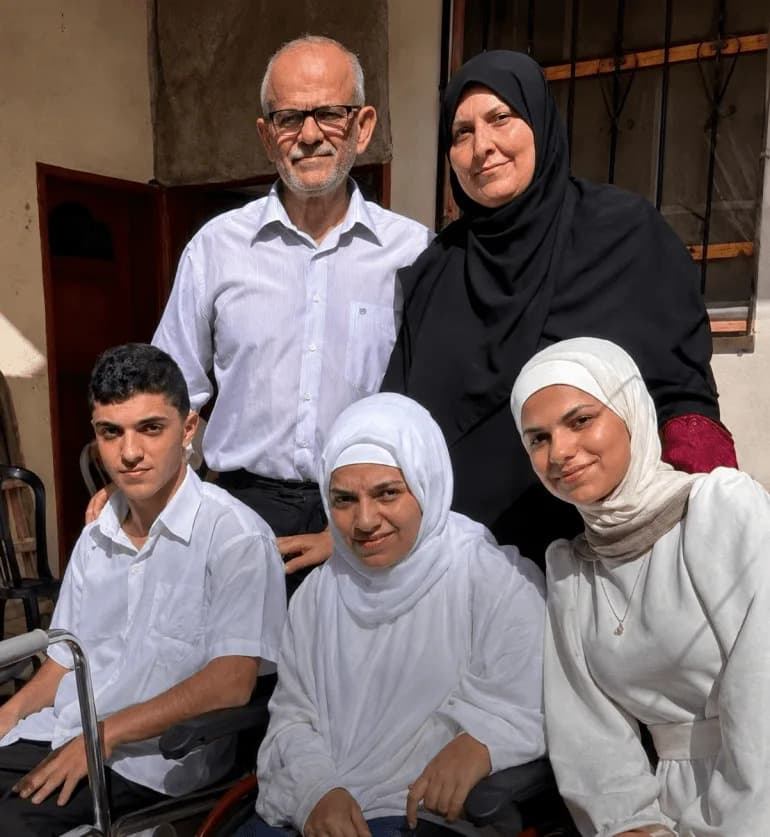
The Musa family in Khan Younis [Eman Abyu Zayed/Al Jazeera]
In Khan Younis, southern Gaza, three siblings — Sama, Abdullah and Nada Musa — turned the publication of this year’s Tawjihi results on July 24 into a quiet victory after a year shaped by displacement, trauma and severe disruption to daily life.
Despite ongoing bombardment and the collapse of normal schooling in many areas, the Musa siblings focused on the Tawjihi, the end-of-secondary exams that determine Palestinian students’ academic paths. Their efforts paid off: Sama achieved 97.5 percent, Abdullah 94.6 percent and Nada 94.4 percent.
Family Support and Home Tutoring
"Thank God for everything. I expected a higher grade, but the circumstances determined the result we achieved," Sama Musa told Al Jazeera. "Even psychologically, a person did not have the energy to continue, but I challenged all circumstances so I could make my family happy and achieve the grade I had dreamed of for years."
Their success owed much to determined family support. Abdullah and Nada, who face physical disabilities that prevented them from attending private lessons, received tutors at home. Their mother, Hind Muhanna, said years of steady care and encouragement helped build their confidence and resilience.
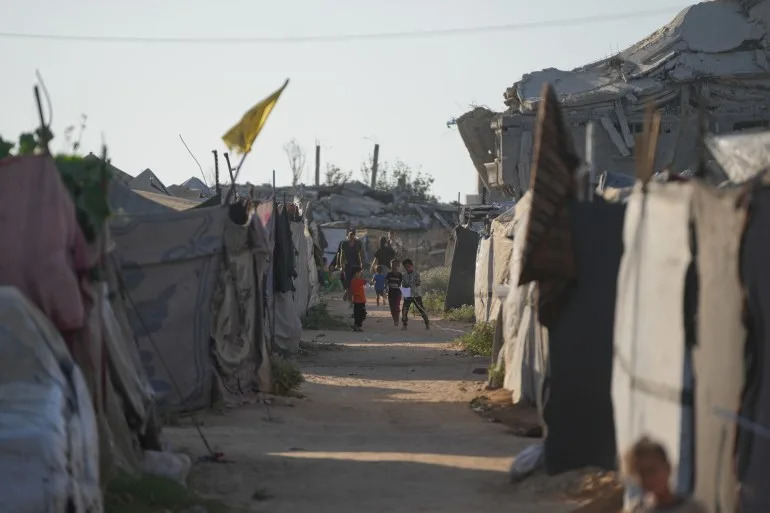
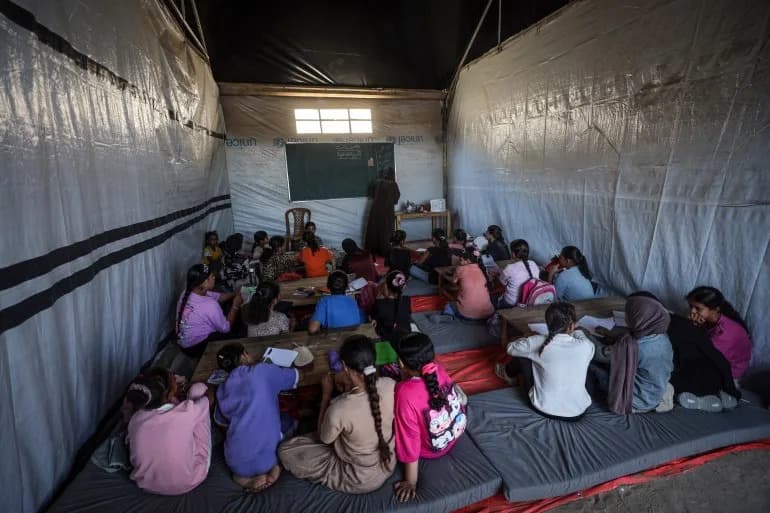
Thousands of Palestinian children have had to study in tents or shelters during Israel's war on Gaza [Abdel Kareem Hana]
Teachers Holding Classrooms Together
Teachers also played an essential role. Hanaa al-Sayed, a mathematics teacher who ran classes at an educational centre in Deir el-Balah, described how instructors balanced curriculum delivery with psychological support for pupils carrying heavy grief and trauma.
"The students did not only need someone to explain the curriculum; they needed someone to listen to them and stand beside them," Hanaa told Al Jazeera. "I treated them as if they were my own daughters, trying to support them psychologically before teaching them mathematics."
Many lessons took place in makeshift settings: schools doubling as shelters, classrooms without desks or chairs, and groups gathered on mats. Yet teachers and students kept learning where they could, often under harrowing conditions.
Scale Of Disruption
Palestinian Minister of Education Amjad Barham said about 89,000 students in the occupied West Bank, East Jerusalem and the Gaza Strip sat the Tawjihi this year, with another 2,000 candidates taking exams in 46 other countries. Barham added that more than 106,000 students in Gaza have taken Tawjihi exams over the past three years, including some 36,900 in 2026.
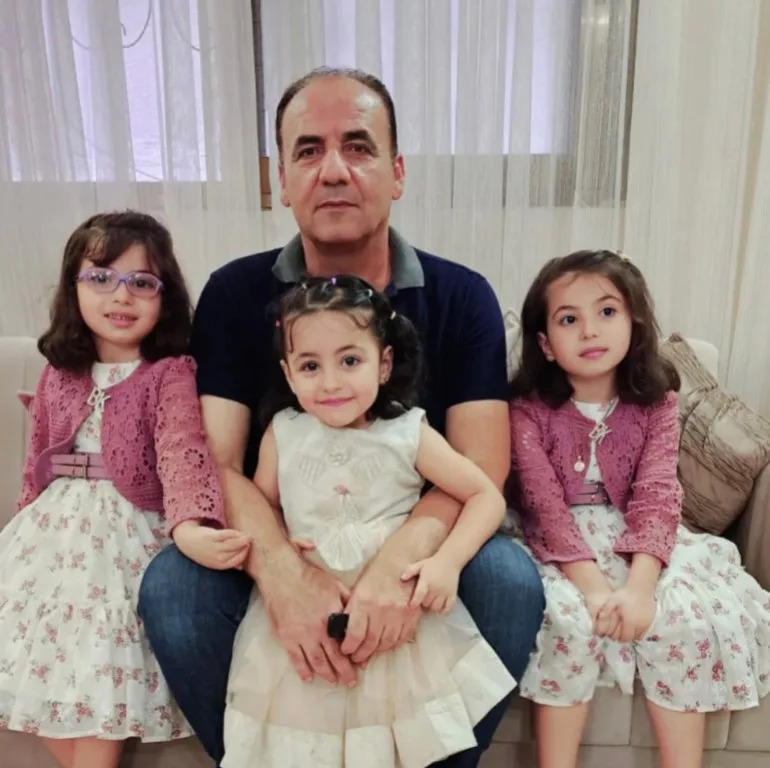
Tala's father, Mahmoud, with three of his grandchildren [Supplied/Al Jazeera]
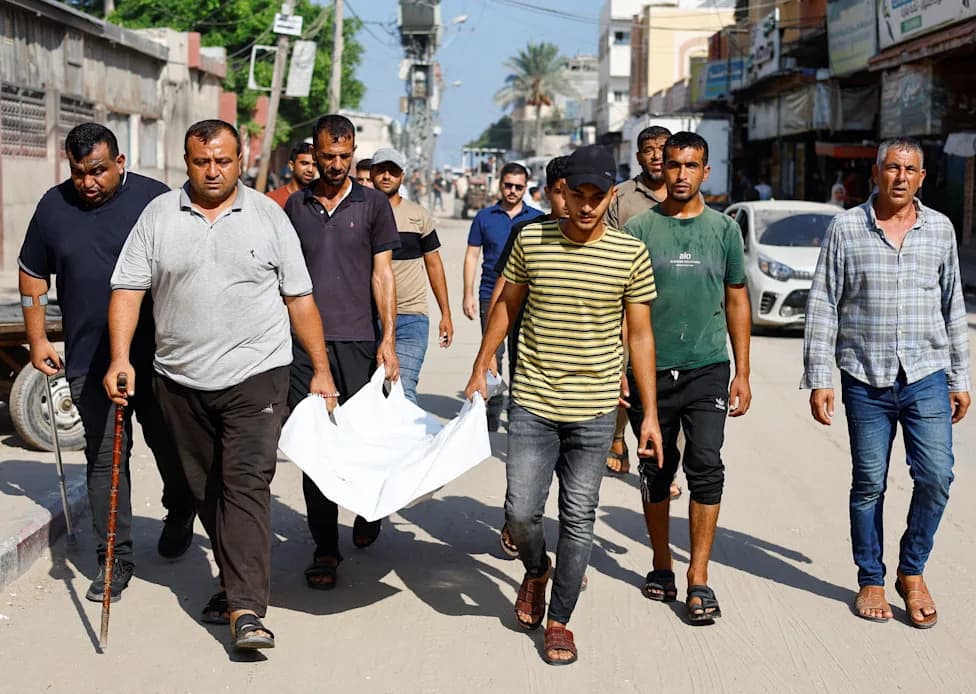
Barham also reported that more than 1,100 students who were due to take the Tawjihi this year were killed, underscoring the human cost of the conflict for young people and their communities.
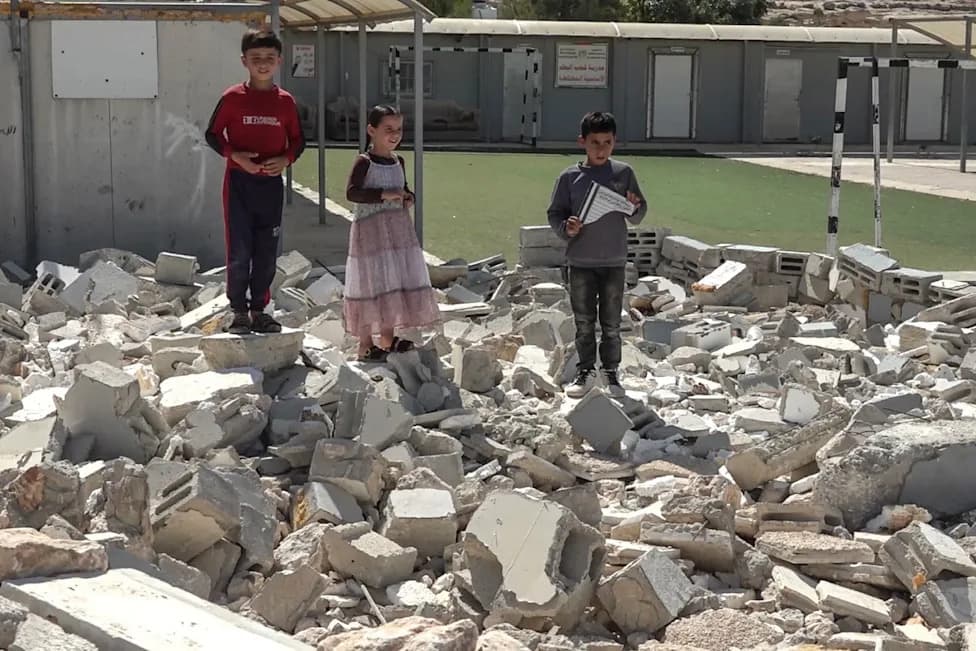
The United Nations has documented catastrophic damage to education infrastructure: shortly after a truce was declared, UN assessments found that over 97 percent of schools in Gaza had been damaged or destroyed during two years of fighting, and nearly 92 percent of educational facilities required full reconstruction or major rehabilitation to become functional.
Stories Of Loss And Determination
The year’s results were often bittersweet. Tala Abu Sukkar, from the Bureij refugee camp, lost multiple family members during the conflict and took the Tawjihi while grieving. She achieved an average of 86 percent but described a mixture of pride and sorrow when the results were published.
"The hardest thing was continuing my path while carrying all this pain inside me, but I tried to stay strong and keep going," she said, crediting her uncle’s support for helping her persist.
The stories emerging from this year’s exams reflect a generation determined to pursue education despite severe adversity. Families, tutors and teachers have worked to keep classrooms and learning alive—sometimes literally in tents and shelters—because education remains for many children in Gaza a source of hope, care and aspiration amid ongoing conflict.
Help us improve.