Florida's canals, retention ponds and neighborhood lakes are serving as movement corridors that allow alligators to travel into urban and suburban areas. Development into former habitat and the spread of manmade waterways are increasing encounters. This year there have been three attacks in Central Florida (including one fatality) and dozens of removal calls in Miami-Dade and Broward counties. Officials urge residents not to feed alligators, to treat neighborhood shorelines with caution, and to report dangerous animals to authorities.
Alligator Turnpike: Florida Canals and Ponds Channel Gators Into Neighborhoods
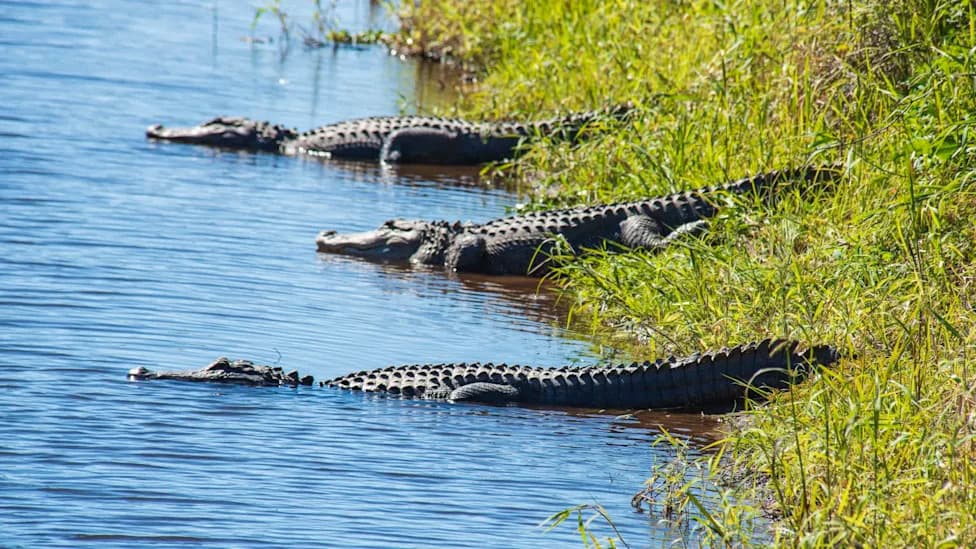
Photo Credit: iStock
Florida's extensive network of canals, retention ponds and neighborhood lakes has unintentionally become a transportation grid for one of the state's oldest residents: the American alligator.
As development pushes deeper into the Everglades and manmade waterways proliferate, alligators are using these corridors to move into urban and suburban neighborhoods. That increased movement is bringing them into closer contact with people and pets.
Local Data and Incidents
This year Central Florida recorded three alligator attacks, including a fatal attack on a woman who was swimming with friends. Through July, wildlife removal calls reached 64 in Miami-Dade County and 221 in Broward County, according to The Miami Herald.
Why It’s Happening
Wildlife experts say the rise in encounters reflects both growing alligator populations in some areas and how people have reshaped the landscape. Manmade canals, retention ponds and artificial lakes provide food, shelter and easy travel routes for gators — effectively creating an "alligator turnpike."
"We tend to look at all of this in terms of the alligators, something that the alligators are doing, the alligators are at fault, but we have just gone right out and built right in the middle of where they used to live," said Frank Mazzotti, a wildlife ecology professor at the University of Florida.
Todd Hardwick, a wildlife trapper with Pesky Critters, described the canal system as a ready-made transit network for reptiles: "I've been calling our canal system the alligator turnpike for years."
Human Behavior Makes A Difference
Experts warn that human actions can worsen conflicts. Feeding or otherwise enticing alligators conditions them to associate people with food, increasing the likelihood of dangerous encounters. A BBC analysis and other studies show similar patterns where landscape changes and human behavior together drive wildlife incidents.
What Residents Can Do
Practical safety tips: Keep pets on a leash near water; do not feed, approach, or provoke alligators; secure trash and outdoor food sources; maintain a safe distance from shorelines; and report large or aggressive animals to local wildlife authorities immediately.
As housing and infrastructure continue to expand into former wildlife habitat, residents and planners alike must adapt to living near native species. Thoughtful behavior, public education, and coordinated wildlife management can reduce risk while recognizing that these animals are part of the regional ecosystem.
Help us improve.