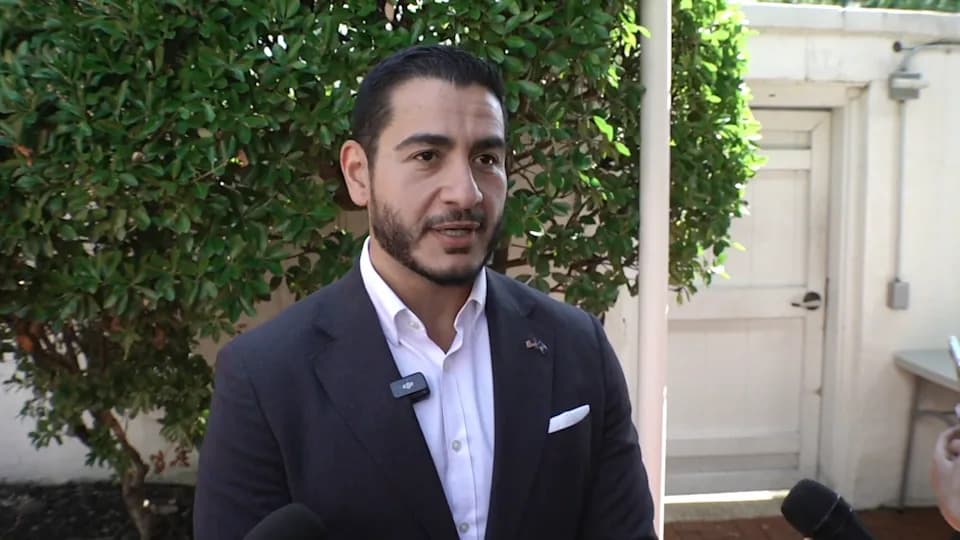
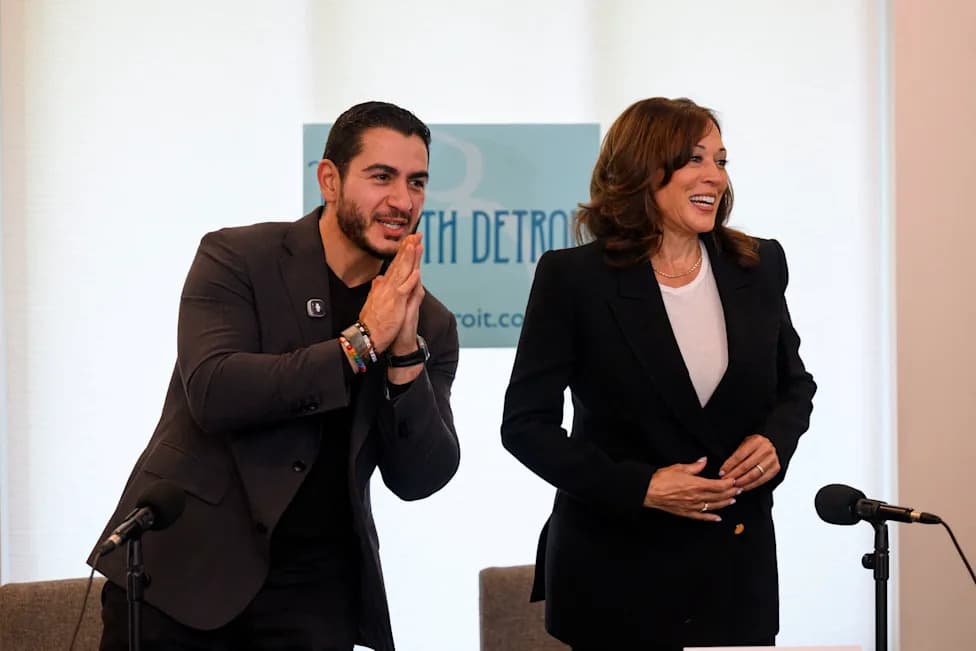
Rep. Haley Stevens went viral after a July 18 speech in Ecorse where her repeated "stick it to 'em" gesture was captured and shared widely online. The clip drew millions of views and both ridicule and praise, prompting Stevens' campaign to embrace the moment with yard signs and an ad. The viral attention comes amid a consequential Aug. 4 Democratic primary against Abdul El-Sayed — a race shaped by policy differences on Israel and Gaza, competing endorsements, and a debate over authenticity and voter outreach in Michigan. Polling shows El-Sayed with a significant lead, but turnout among key groups, especially Black voters, could decide the outcome.
Haley Stevens' 'Stick It To ’Em' Moment Goes Viral — Can It Lift Her Michigan Senate Bid?
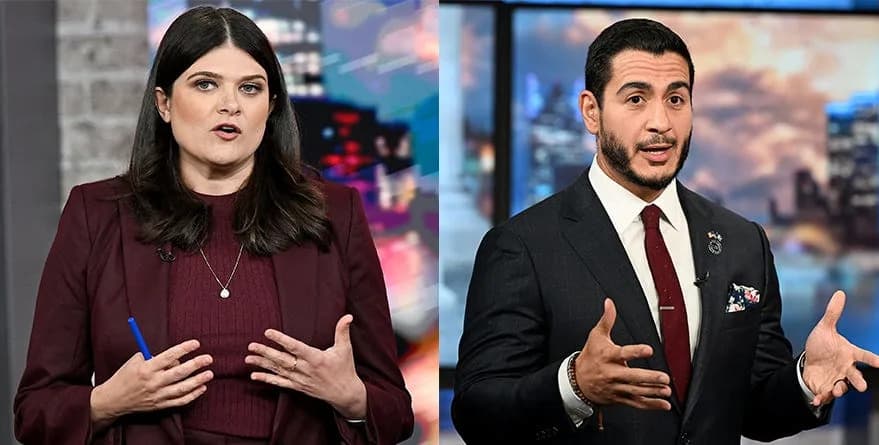
Candidates Abdul El-Sayed (D-MI), right, and U.S. Rep. Haley Stevens during theU.S. Senatedebate in Southfield, Mich. on July 27, 2026. Of all the Democratic primaries between a progressive populist and establishment liberal this year, the Michigan Senate contest Aug. 4 could be the most consequential in mapping the party's future. The race betweenAbdul El-Sayed, a Detroit-based public health officer, and U.S. Rep.Haley Stevens, a former Obama administration official, has touched almost every nerve on the political left leading up to the 2026 midterms. Whether it's who is toblame for the 2024 electionoutcome, whattype of candidate is bestto defeat Republicans in a general election or the U.S. relationship with Israel and its prosecution of thewar in Gaza, centrist and left-leaning factions agree that the stakes are higher than in any other primary battle.(Pool photo by Robin Buckson via REUTERS)
Rep. Haley Stevens unexpectedly became a social media sensation after a July 18 campaign appearance in Ecorse, a Detroit suburb, when a brief C-SPAN clip of her upbeat speech and repeated "stick it to 'em" gesture spread widely online. The video drew roughly 5 million views on X and was repackaged by TMZ for more than 4.5 million additional views, generating a mix of mockery, praise and intense media attention.
The viral moment landed in the middle of a high-stakes Democratic Senate primary set for Aug. 4. Stevens, a centrist U.S. representative and former Obama administration official, faces progressive challenger Abdul El-Sayed, a Detroit-based public-health leader. Polling released July 30 by Emerson College showed El-Sayed leading by about 16 points, underscoring an uphill path for Stevens despite the viral buzz.
Campaign Reaction
Stevens' campaign leaned into the attention, producing "STICK IT TO 'EM" yard signs and an ad that repurposed the speech audio. Supporters and critics alike weighed in: the Republican National Committee used the clip to skewer Democrats, while commentators from across the spectrum called it either endearing or mockable. MSNBC and other outlets noted the contrast between Stevens’ old-school retail politics and El-Sayed’s digitally driven grassroots operation.
Policy Split and Endorsements
The race also exposes clear policy differences. Stevens positions herself as pro-Israel, while El-Sayed has been critical of the Israeli government and sympathetic to pro-Palestine concerns amid the war in Gaza. The primary is being framed as a broader debate over the Democratic Party's direction heading into the 2026 midterms.
Endorsements reflect the divide: Stevens counts establishment backers including Senate Minority Leader Chuck Schumer, Gov. Gretchen Whitmer, Sen. Gary Peters and former Sen. Debbie Stabenow. El-Sayed has secured progressive heavyweight support from Sen. Bernie Sanders, Reps. Alexandria Ocasio-Cortez and Rashida Tlaib, and later Sen. Elizabeth Warren.
Authenticity, Gender And Voter Outreach
The episode reignited familiar questions about authenticity and whether female candidates face harsher scrutiny for mannerisms, speech or style. Communications experts say voters prize authenticity but also warn that it can be staged or weaponized. Michael Serazio, a communications professor at Boston College, notes that authenticity is subjective and easily contested; Claremont McKenna’s Lily Geismer says women often risk being labeled inauthentic for folksy or unorthodox behavior.
Local outreach matters most, Stevens argues. "It's one arena," she told USA TODAY on July 26, adding that the decisive fights are in Michigan zip codes where turnout will determine the outcome. Stevens has actively courted Black voters — a crucial Democratic constituency in Michigan — and figures like Keith D. Williams, chair of the Michigan Democratic Party's Black Caucus, have defended her connection with local communities.
Abdul El-Sayed wrote on X: "It's become impossible to ignore the way that people online make fun of my opponent for things that have nothing to do with her policies or politics. It's unkind and unhelpful. If you support me, please stop."
Whether the viral moment translates into votes remains uncertain. The contest will be watched as a bellwether for the party: will establishment figures and traditional voter outreach prevail, or will digitally savvy progressive organizing continue to reshape Democratic primaries? With endorsements and intense grassroots energy on both sides, the Aug. 4 primary will be an important test of strategy, turnout and how much a personality-driven moment can move an electorate.
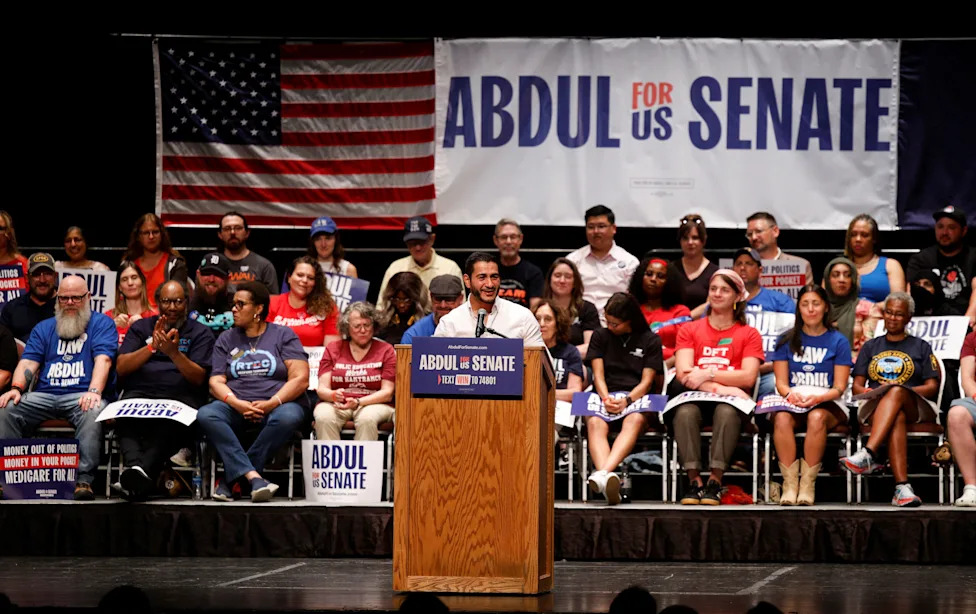
U.S. Senatecandidate Abdul El-Sayed holds a campaign rally in Detroit, Mich. on July, 18, 2026.(Rebecca Cook, REUTERS)
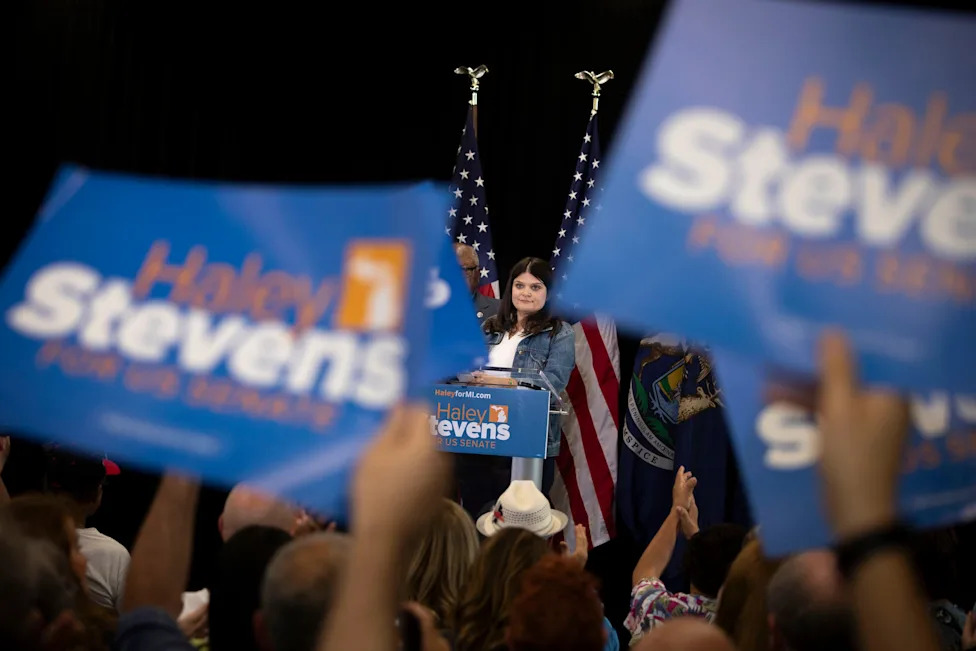
U.S. Rep. Haley Stevens (D-MI), a candidate for Michigan's open U.S. Senate seat, hosts a "Meet and Greet" campaign event with former House Majority Whip Congressman Jim Clyburn (D-SC) and Michigan Gov. Gretchen Whitmer at Michigan Conference-Teamsters on July 24, 2026 in Detroit, Michigan. Stevens is running against fellow Democrat U.S. Senate candidate Abdul El-Sayed in Michigan's Primary Election, which will be held on August 4th.(Bill Pugliano, Getty Images)
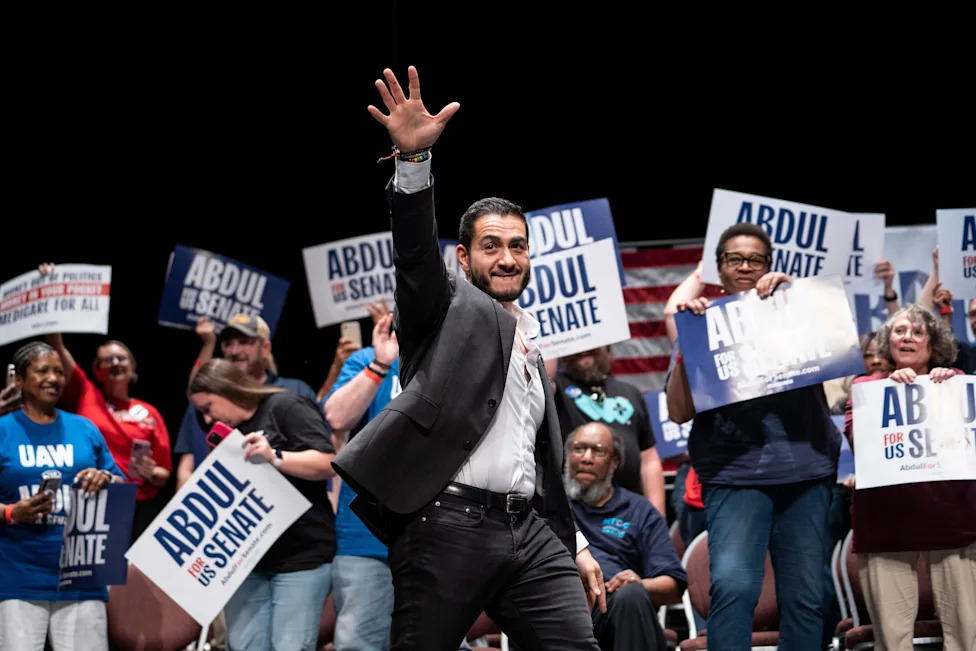
Michigan Democratic candidate for Senate Abdul El-Sayed takes the stage at The People V. The Powerful rally at the Detroit Opera House on July 18, 2026 in Detroit, Michigan. U.S. Sen. Bernie Sanders (I-VT), U.S. Rep. Alexandria Ocasio-Cortez (D-NY) and others joined El-Sayed to rally the crowds.(Sarah Rice, Getty Images)
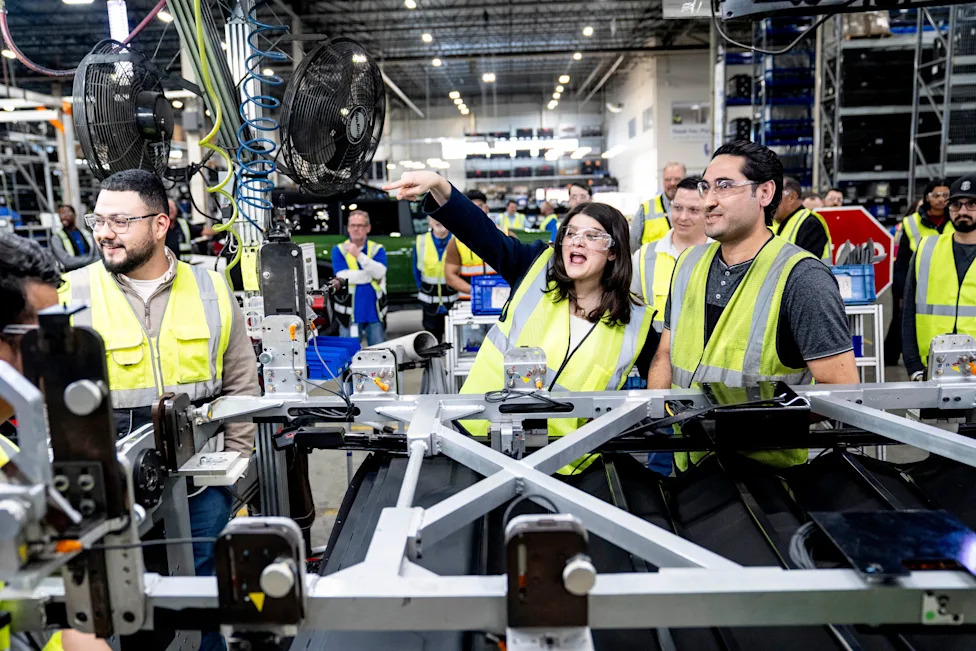
U.S. Rep. Haley Stevens (D-MI) greets employees as she talks to Joaquin Sarmiento, left, and Haroon Davlatzai, right, during a tour of the Webasto Plymouth Plant on May 1, 2026 in Plymouth, Michigan. Stevens, the Democratic front‑runner in Michigan’s open U.S. Senate race, visited the Michigan convertibles roof plant where workers recently voted to unionize with the United Auto Workers.(Sarah Rice, Getty Images)
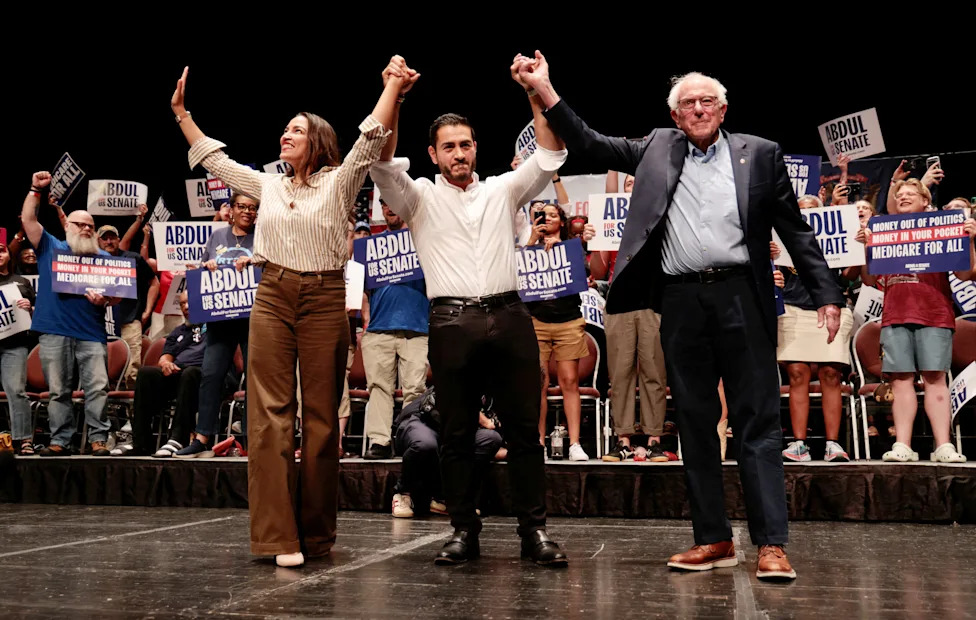
U.S. Senator Bernie Sanders (I-VT) and U.S. Representative Alexandria Ocasio-Cortez (D-NY) rally with U.S. Senate candidate Abdul El-Sayed in Detroit, Mich. on July, 18, 2026.(Rebecca Cook, REUTERS)
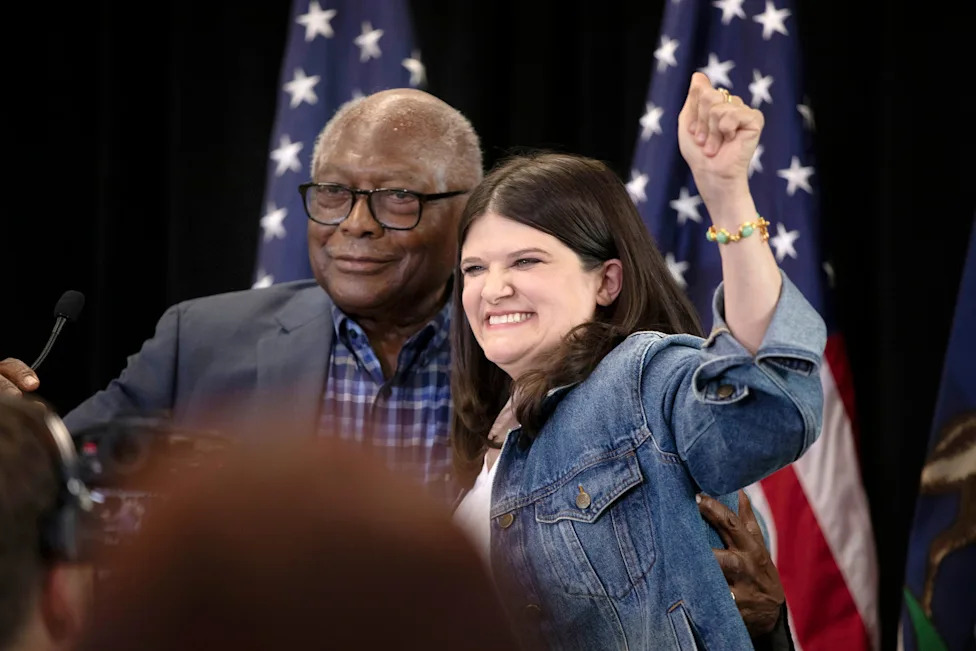
U.S. Rep. Haley Stevens (R) (D-MI), a candidate for Michigan's open U.S. Senate seat, hosts a "Meet and Greet" campaign event with former House Majority Whip Congressman Jim Clyburn (L) (D-SC) and Michigan Gov. Gretchen Whitmer at Michigan Conference-Teamsters on July 24, 2026 in Detroit, Michigan.(Bill Pugliano, Getty Images)
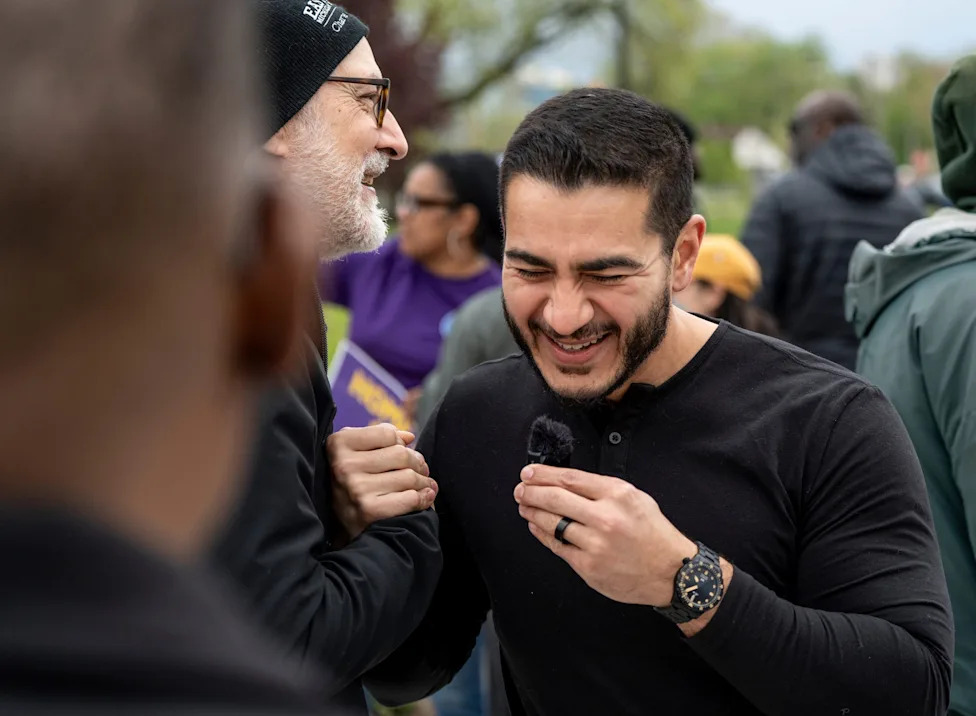
Former Wayne County and Detroit health director Abdul El Sayed, right, interviews Peter Putnam, of Detroit, as union workers and protesters rally to mark May Day, also known as International Workerís Day, at Roosevelt Park in Detroit on Friday, May 1, 2026, to push back against President Trump.(Ryan Garza, Detroit Free Press via USA TODAY Network)
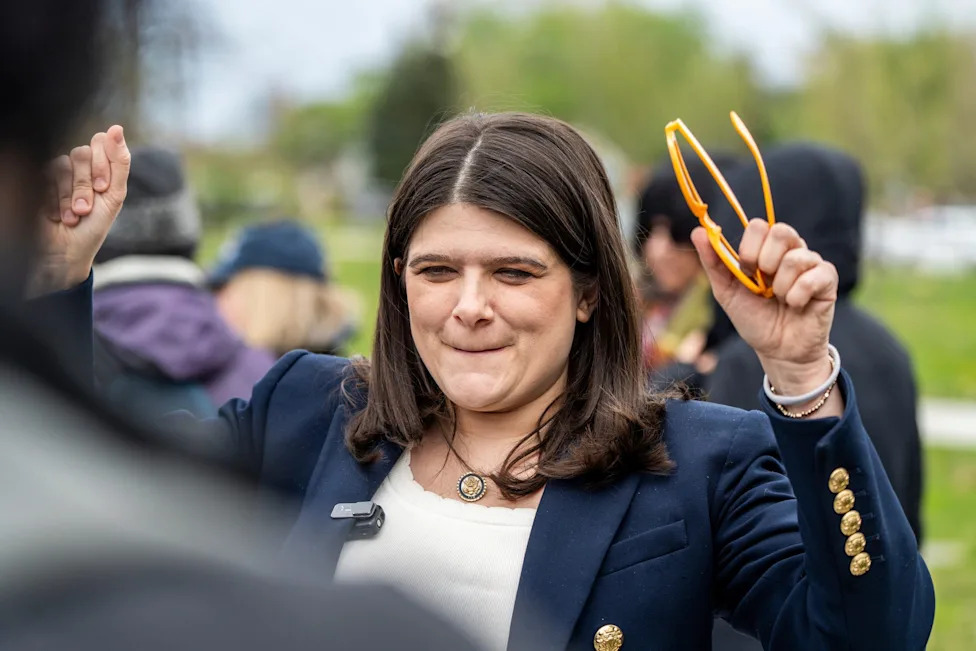
U.S. Rep. Haley Stevens, center, dances around while talking with union workers and protesters rally to mark May Day, also known as International Workerís Day, at Roosevelt Park in Detroit on Friday, May 1, 2026, to push back against President Trump.(Ryan Garza, Detroit Free Press via USA TODAY Network)
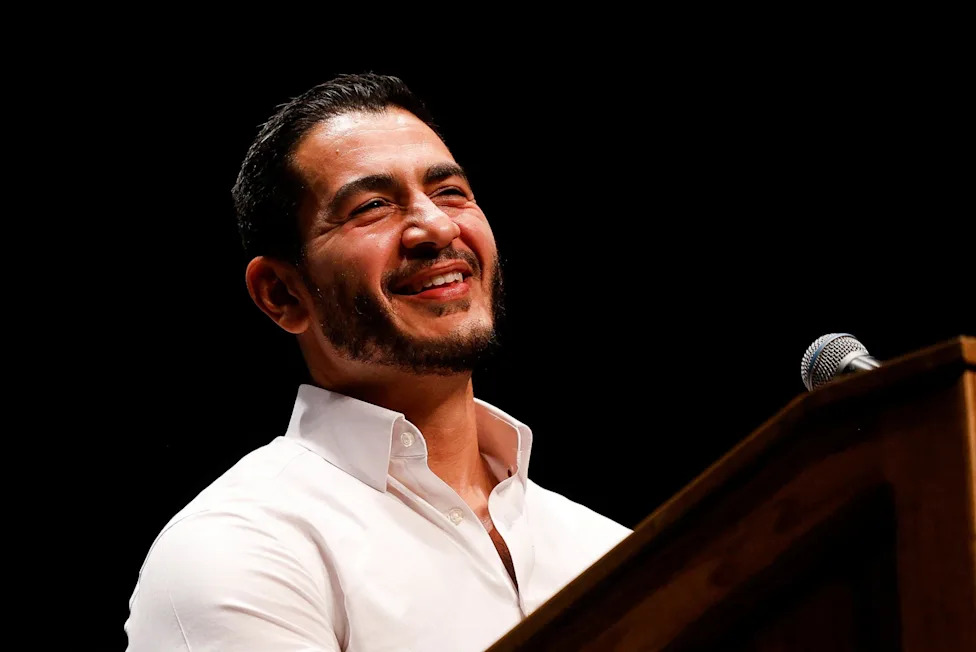
U.S. Senate candidate Abdul El-Sayed smiles during a campaign rally in Detroit, Mich. on July 18, 2026.(Rebecca Cook, REUTERS)
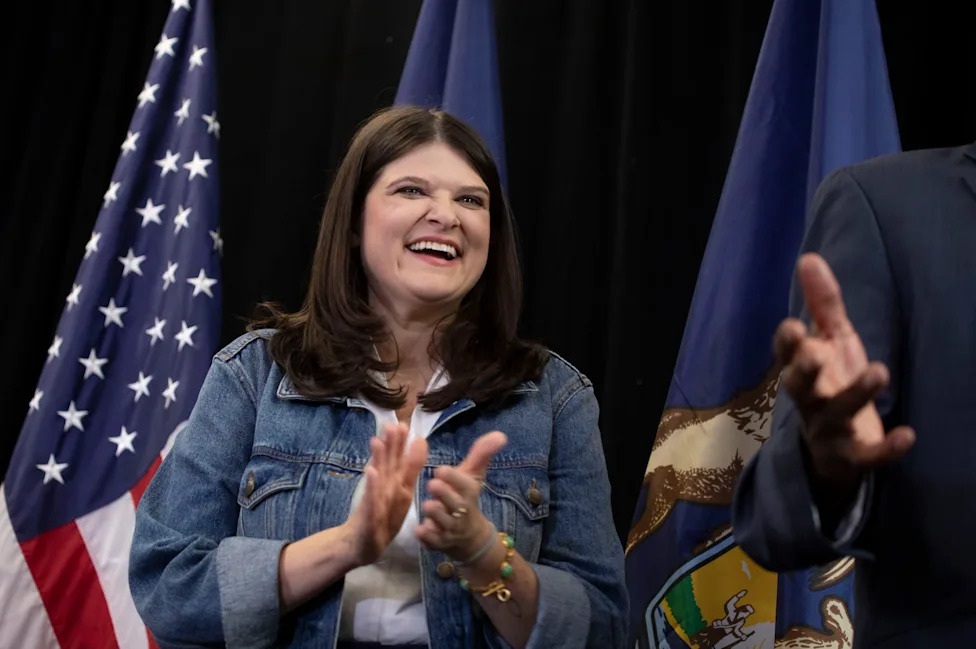
U.S. Rep. Haley Stevens (D-MI), a candidate for Michigan's open U.S. Senate seat, hosts a "Meet and Greet" campaign event with former House Majority Whip Congressman Jim Clyburn (D-SC) and Michigan Gov. Gretchen Whitmer at Michigan Conference-Teamsters on July 24, 2026 in Detroit, Mich.(Bill Pugliano, Getty Images)
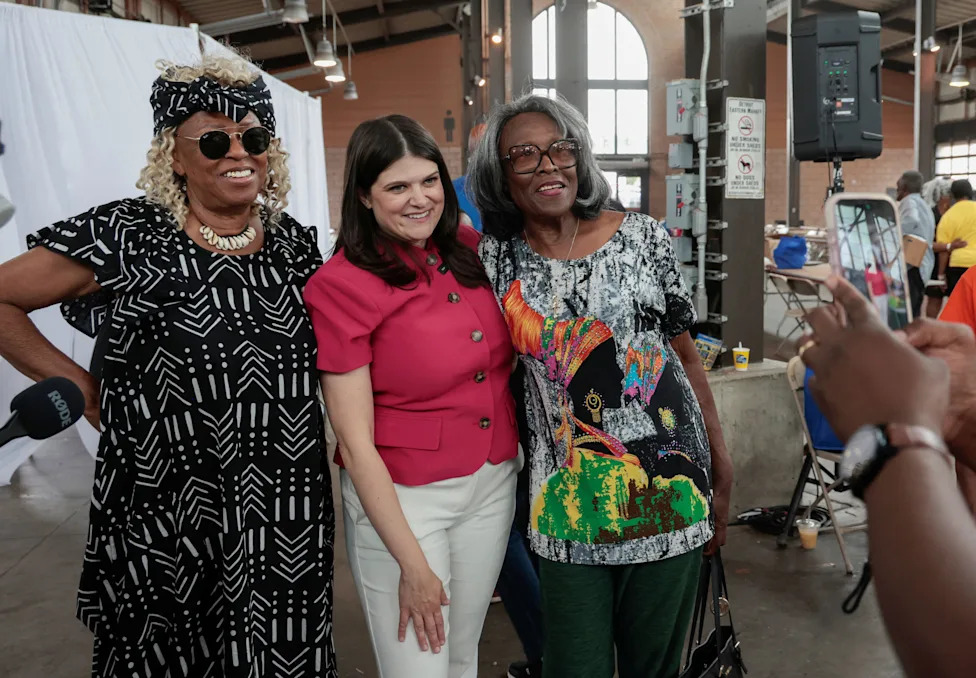
Democratic Senate candidate Haley Stevens poses for a photo with attendees at an event with Detroit Seniors ahead of the primary election in Detroit, Mich. on July, 28, 2026.(Rebecca Cook, REUTERS)
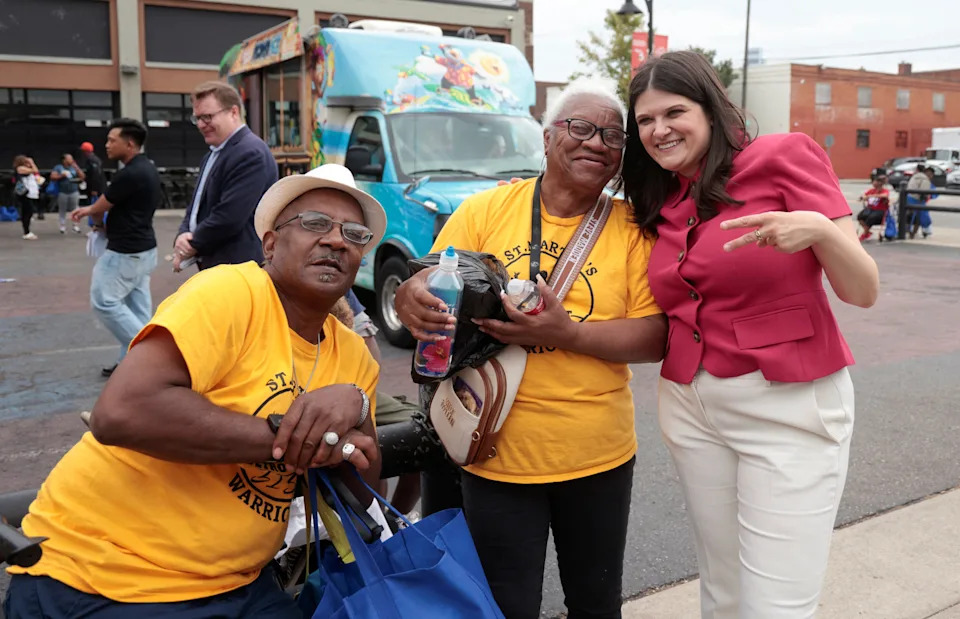
Rep. Haley Stevens poses for a photo with attendees during an event with Detroit seniors ahead of the Democratic primary election for U.S. Senate in Michigan on July 28, 2026.
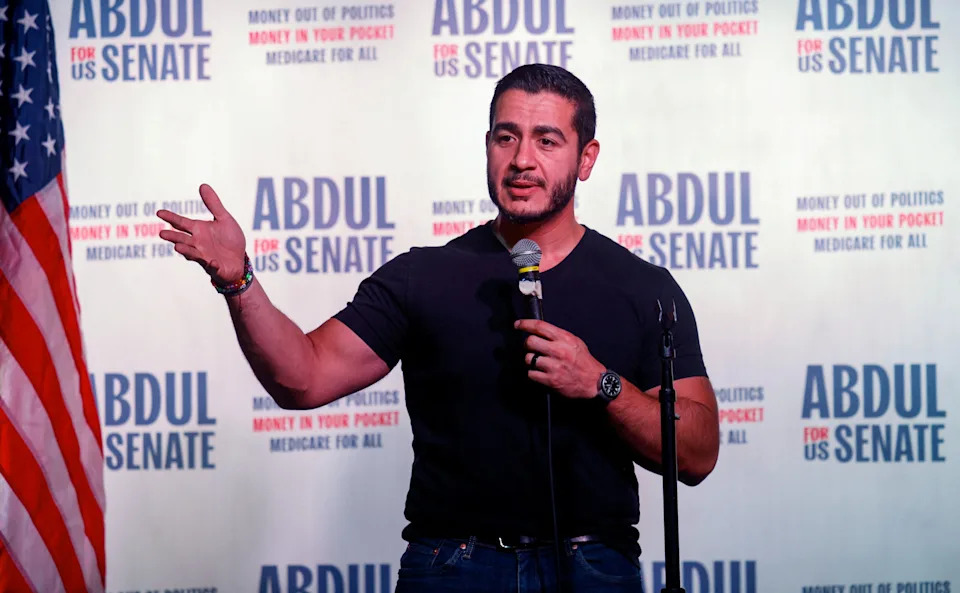
Abdul El-Sayed speaks during a campaign rally in Ferndale, Michigan on July 25, 2026.
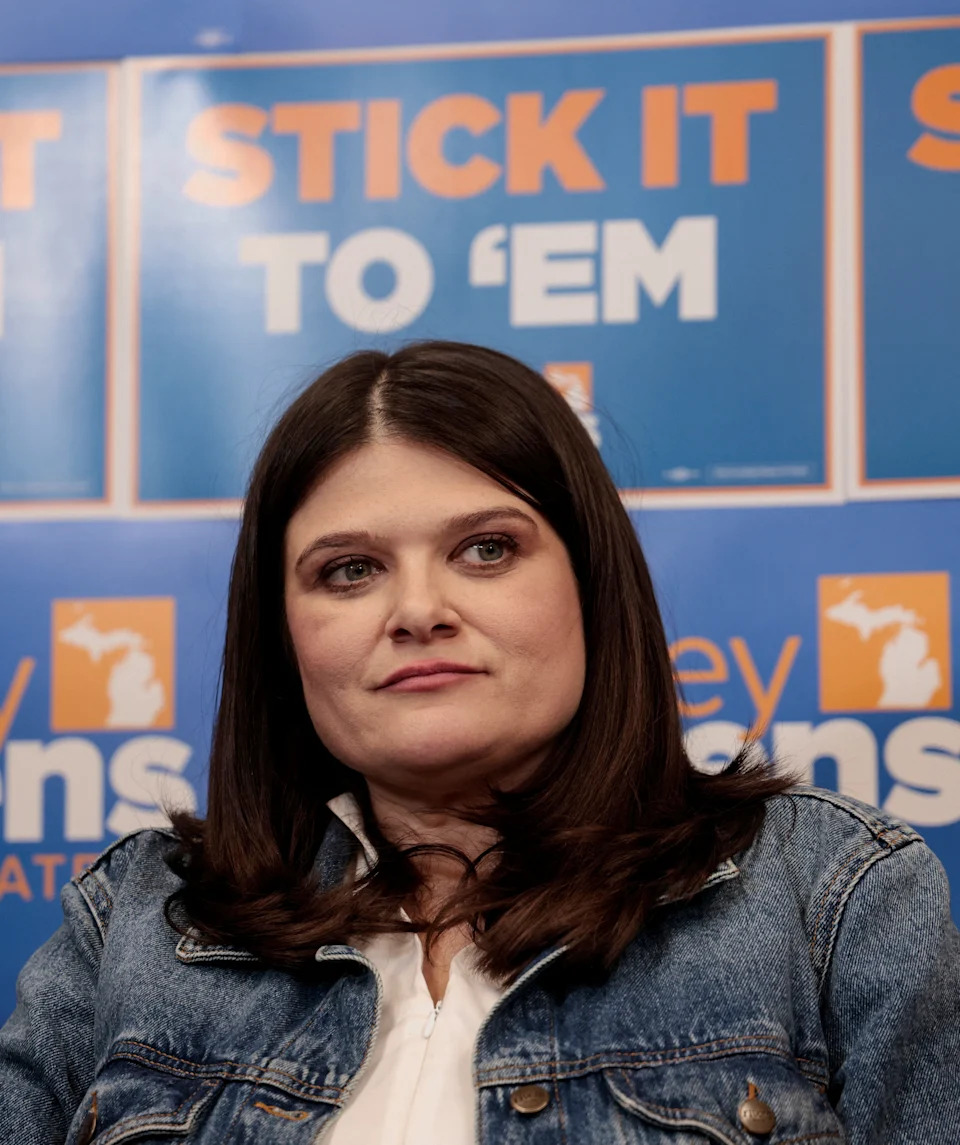
Rep. Haley Stevens speaks to the media before a rally sponsored by Teamsters Joint Council 43 in Detroit on July 24, 2026. Behind her are "STICK IT TO 'EM" signs.
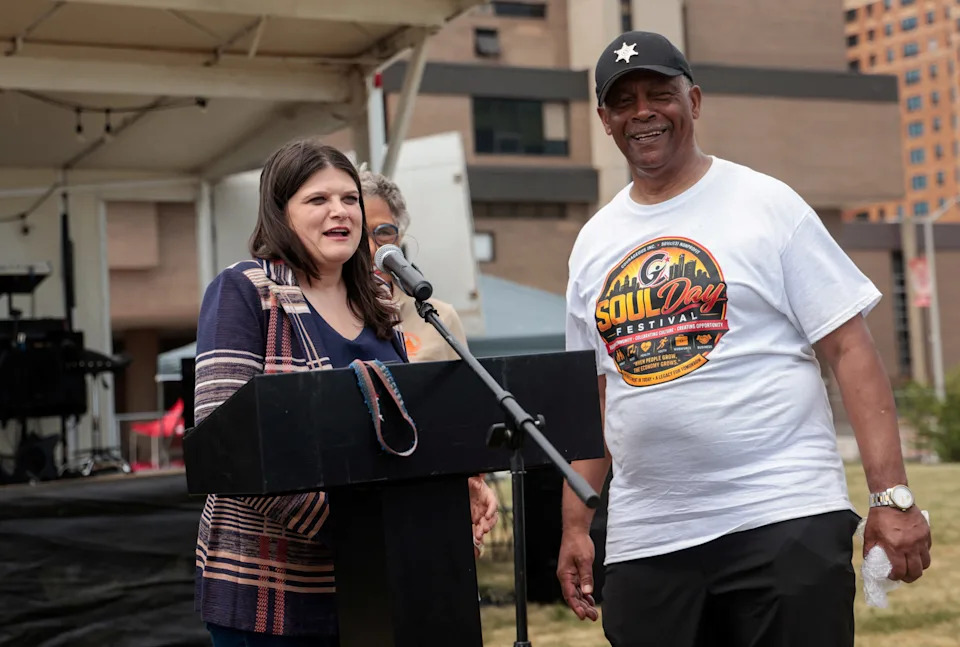
Rep. Haley Stevens pictured with Michigan Democratic Party Black Caucus Chair Keith Williams at the Soul Day Festival in Detroit on July 25, 2026.
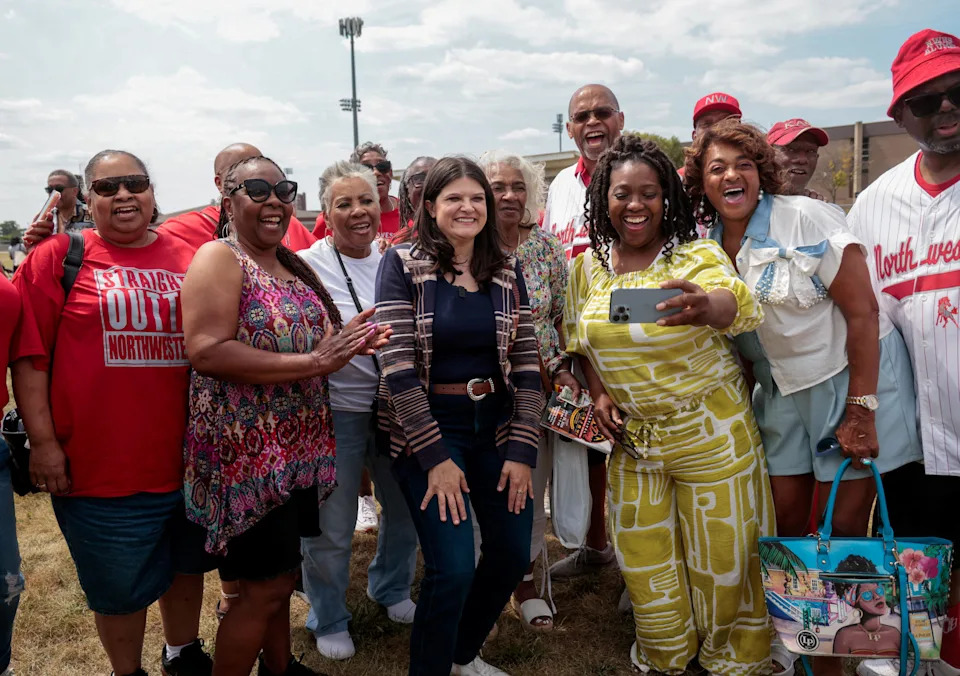
Rep. Haley Stevens poses for a photograph with supporters at the Soul Day Festival in Detroit on July 25, 2026.
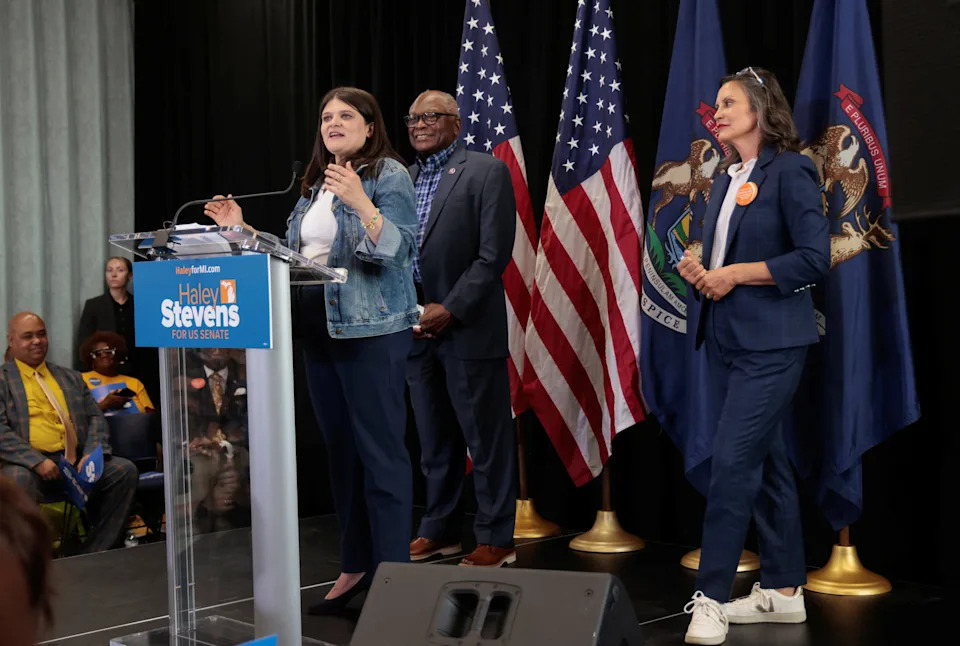
Rep. Haley Stevens speaks as South Carolina Rep. Jim Clyburn and Michigan Gov. Gretchen Whitmer listen at a Teamsters rally in Detroit on July 24, 2026.
Help us improve.