SAMHSA's 2025 national survey reports declines in tobacco, alcohol and illicit drug use among U.S. adolescents (12–17) and young adults (18–25). Experts attribute the fall to reduced risky behavior, delayed markers of adulthood, more supervised and online socializing, and sustained public-health messaging. However, increases in vaping and some cannabis measures suggest substitution effects and underscore the need for continued monitoring and targeted prevention.
Why Alcohol and Drug Use Is Falling Among Young Americans: Key Findings From SAMHSA's 2025 Survey

Carol Yepes/Getty Images - PHOTO: friends toasting beer glasses at table in bar
The Substance Abuse and Mental Health Services Administration (SAMHSA) published its 2025 national survey this week, reporting declines in tobacco, alcohol and illicit drug use among U.S. adolescents and young adults.
The annual survey assessed substance use and mental health for people aged 12–17 and 18–25. Overall, the data show meaningful drops in several measures of recent substance use, even as some alternative products—particularly vaping and cannabis—have risen for parts of these age groups.
Declines Among Teens and Young Adults
For 12–17-year-olds, SAMHSA found reductions in past-month tobacco and alcohol use (including binge drinking) and in past-year illicit drug use. Among 18–25-year-olds, the survey documented declines in past-month use of nicotine products, cigarettes and alcohol (including binge drinking), and decreases in past-year use of illicit drugs as well as prescription stimulants and opioids.
Why Use May Be Falling
Public health experts who spoke with ABC News pointed to several likely contributors:
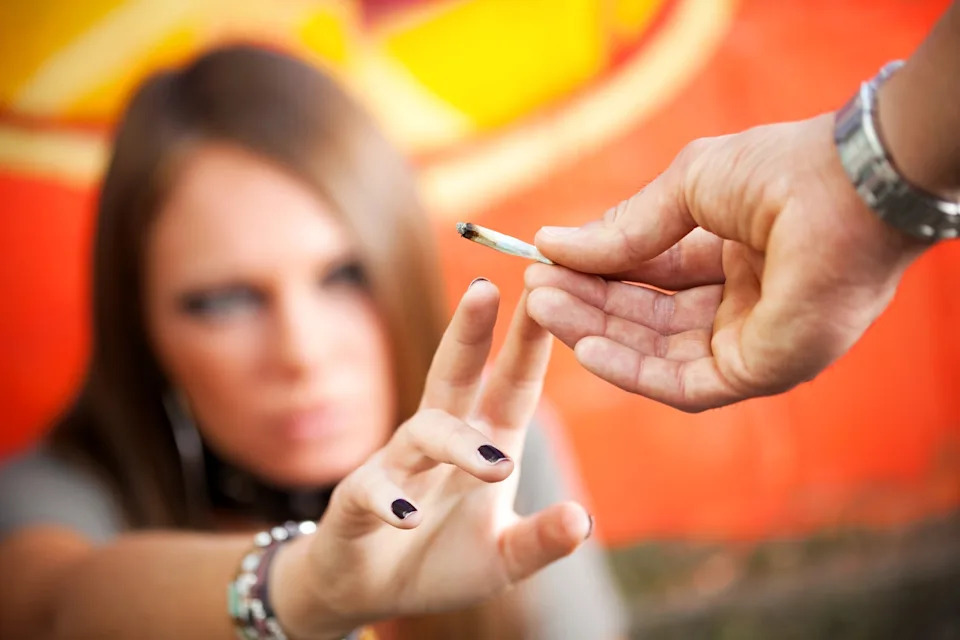
Diego_cervo/STOCK PHOTO/Getty Images - PHOTO: Stock image of a joint being passed.
- Less Risky Behavior Overall: Research shows teenagers are engaging in fewer risky behaviors—such as dangerous driving, crime and unprotected sex—which correlates with lower substance use.
- Delayed Transition to Adulthood: Young people are getting driver's licenses later and moving out at older ages, lengthening adolescence and prolonging parental oversight.
- Different Social Patterns: More time spent online and in supervised settings reduces unstructured, unsupervised social time—situations where substance use often occurs.
- Public Health Messaging: Ongoing education about the risks of alcohol and tobacco (and growing evidence linking alcohol to cancer) may be influencing choices across generations.
“There is a long-term decline… they're actually using less alcohol, less tobacco, less cannabis than previous cohorts,” said Daniel Kruger, research associate professor at the University at Buffalo.
Shifts Toward Vaping and Cannabis
Despite broad declines in cigarette smoking and alcohol use, the survey and experts note increases in vaping and some measures of cannabis use—suggesting a possible substitution effect rather than a universal decline in all substance use.
SAMHSA figures show past-month nicotine vaping among people aged 12 and older rose from 8.3% in 2022 to 10.1% in 2025. The survey also reports a rise in past-year marijuana use for people aged 12 and older, from 19% in 2021 to 21.2% in 2025. Experts caution that these overall numbers can mask different trends within specific age groups and localities.
“We're seeing higher vaping and higher cannabis use, so it's almost like maybe there's a replacement,” said Denise Hien, director of the Rutgers Center of Alcohol and Substance Use Studies. She noted that young people may view cannabis and vaping as less harmful than alcohol or cigarettes.
Implications
The declines in several forms of substance use are encouraging for public health, but the rise in vaping and cannabis use highlights the need for continued surveillance, targeted education about the risks of newer products, and policies that limit youth access to flavored e-cigarettes and underage cannabis. Researchers say monitoring shifting patterns of use will be important to sustain progress and address emerging harms.
Bottom line: SAMHSA's 2025 data show important reductions in youth alcohol, tobacco and illicit drug use, while also signaling rising use of vaping and some cannabis measures—calling for nuanced prevention and policy responses.
Help us improve.