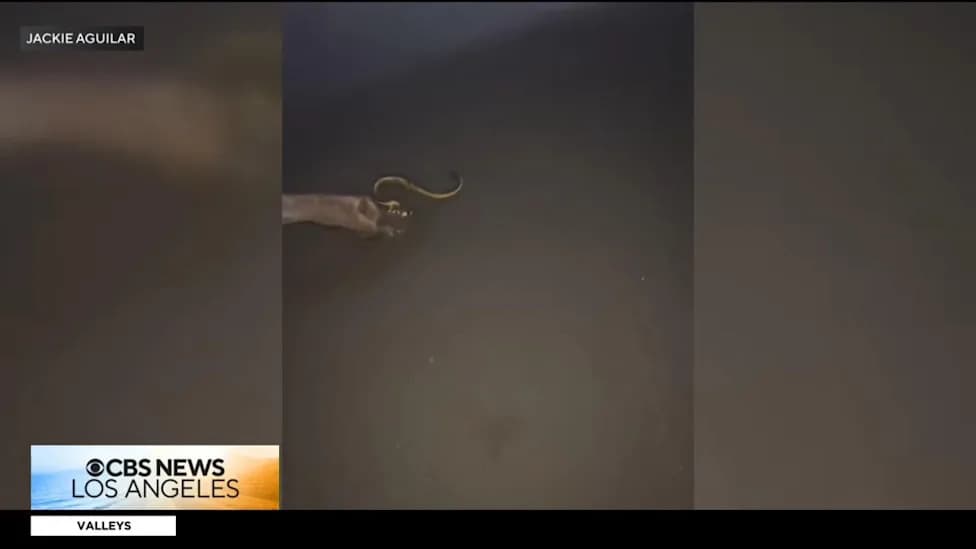
El Niño’s intensified warming is shifting marine life along California’s coast, bringing more white shark sightings and the occasional tropical yellow-bellied sea snake. The sea snake’s venom contains powerful neurotoxins and myotoxins and, despite very short fangs (~1.5 mm), bites can be severe without prompt treatment. Encounters remain rare: California has recorded only 236 shark-human interactions since 1950 compared with an estimated 120 million annual beach visits.
El Niño Drives White Sharks and Venomous Sea Snakes Into California Waters
El Niño brings white sharks and sea snakes to California
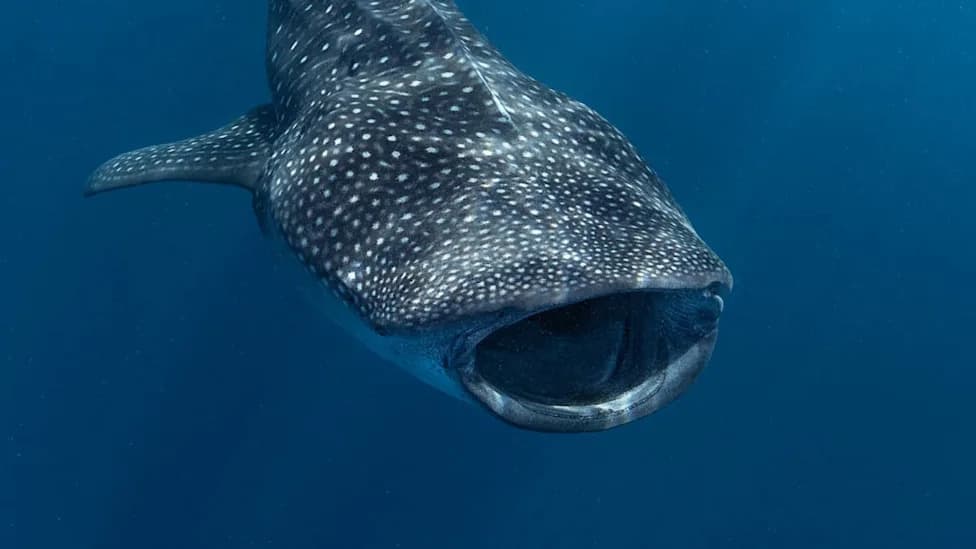
El Niño — the warm phase of a global climate cycle — is reshaping marine life along the U.S. West Coast. This year’s unusually strong event has pushed warmer water and new prey species northward, bringing increased sightings of white (great) sharks and even tropical yellow-bellied sea snakes into California waters.
Warmer Water, Unusual Visitors
Researchers link the surge in white shark sightings to elevated ocean temperatures associated with this intensified El Niño, which alters prey distribution and habitat. "We expect to see all kinds of weird tropical things come up with this warm water," Douglas McCauley, director of the Benioff Ocean Initiative at the University of California, Santa Barbara, told USA Today.
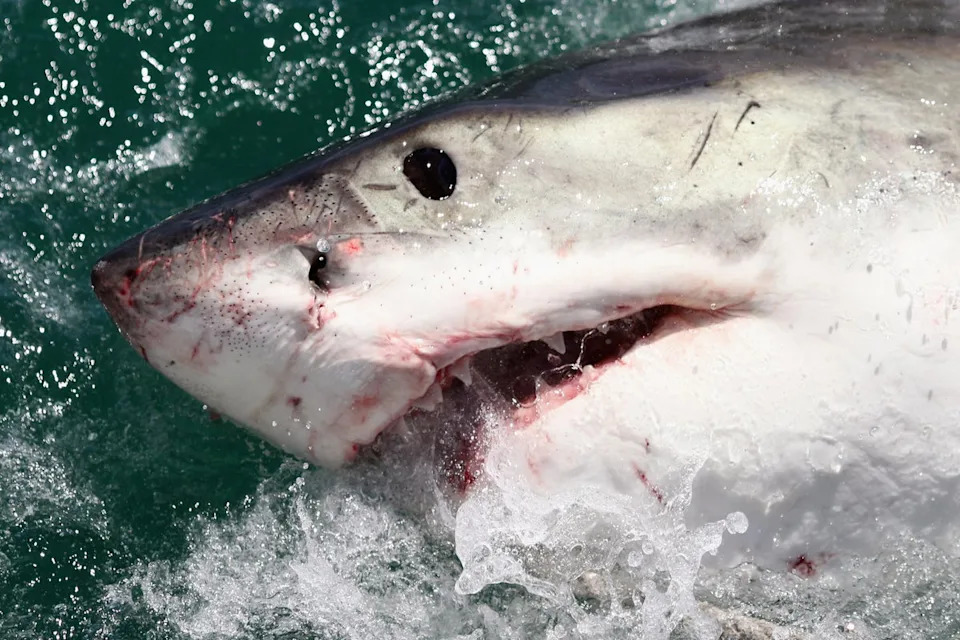
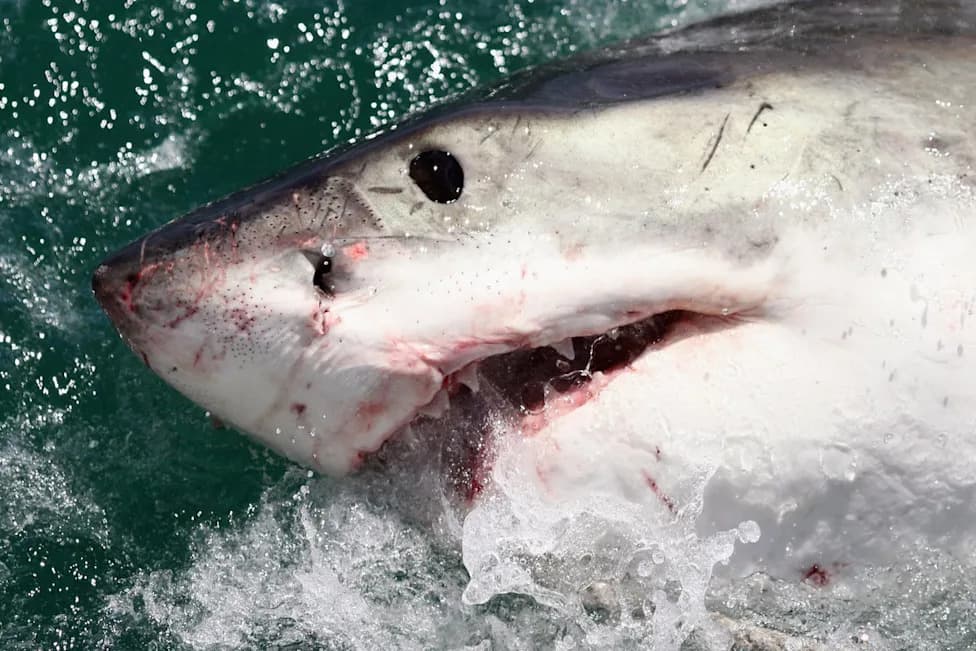
An El Niño climate pattern is bringing more unusual species to California shores. Some of them can be deadly to humans (Getty Images)
Yellow-Bellied Sea Snakes: A Tropical Arrival
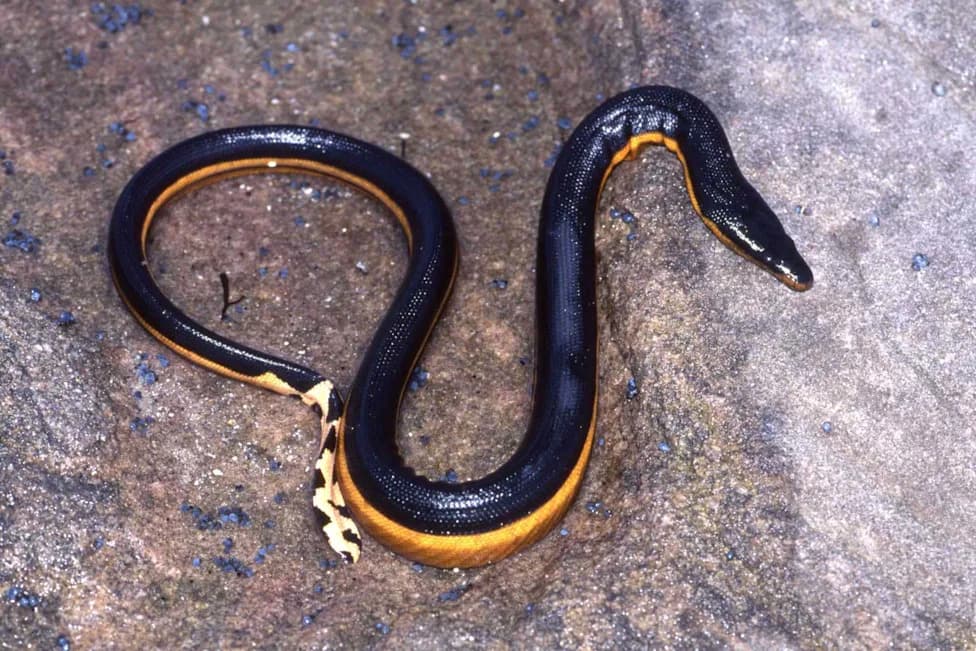
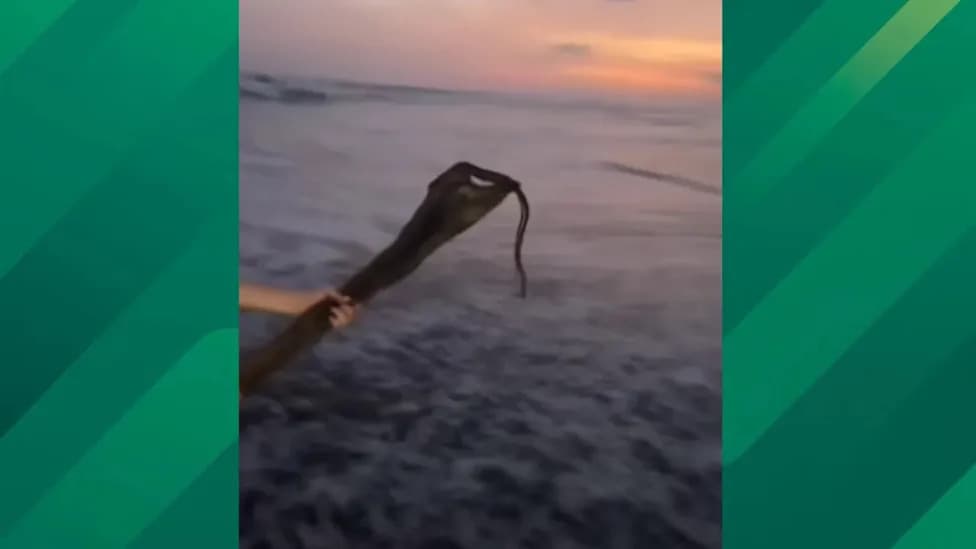
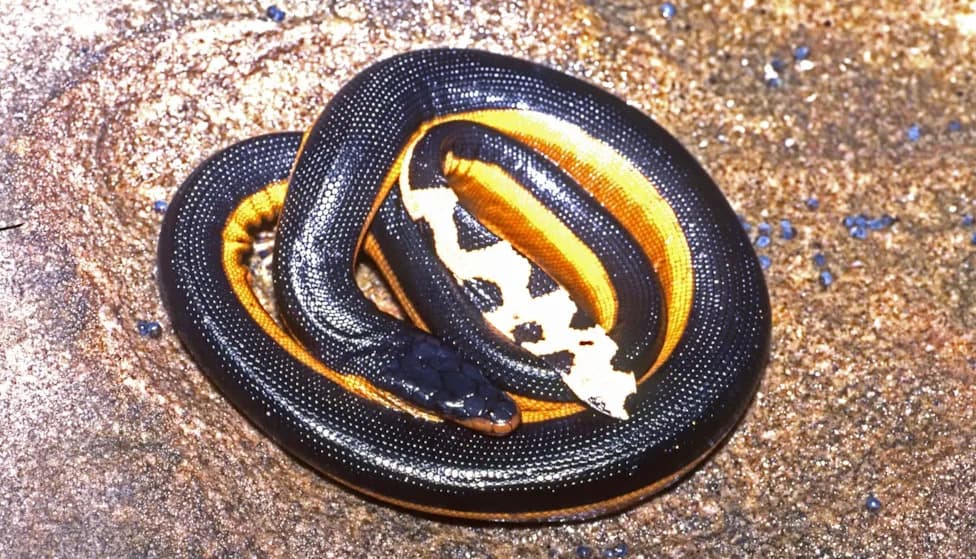
One notable tropical arrival is the yellow-bellied sea snake, a venomous species normally found in warm tropical seas. According to the Australian Museum, a bite can cause paralysis and, without prompt treatment, may be fatal within hours. The museum notes that the fangs are very short (about 1.5 millimeters) and often deliver a small dose, but the venom contains potent neurotoxins and myotoxins that can rapidly incapacitate a person.
“Some of these kinds of interesting oddities that are never a part of California will become part of this temporarily tropical El Niño-heated California,” McCauley said.
Past Events and Human Encounters
This phenomenon is not new: previous strong El Niño events have pushed tropical and subtropical species northward. During the 2015–2016 El Niño, for example, hammerhead sightings and at least one reported bite were documented off Southern California. While warming waters change where sharks and their prey swim — increasing the chance of encounters — such incidents remain rare.
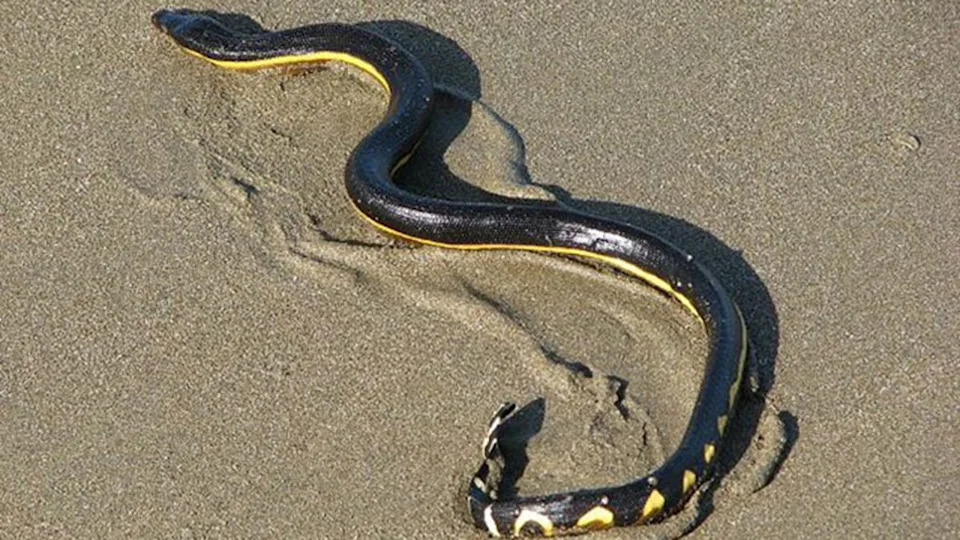
A yellow-bellied sea snake has a bite that can be deadly. The snakes swim in tropical waters (Aloaiza - /CC BY 3.0/Wikimedia Commons)
California’s Department of Fish and Wildlife points out that since 1950 the state has documented only 236 interactions between sharks and people, compared with roughly 120 million estimated annual beach visits. Scientists also note that the Pacific Ocean, at about 60 million square miles, is large and increasingly showing signs of species movement as it warms.
What To Know And Do
Experts advise beachgoers to stay informed about local advisories, avoid entering the water at dawn and dusk when sharks are more active, and seek immediate medical attention for any suspected sea snake or shark bite. Although dramatic, these events are uncommon — but awareness and prompt action reduce risks.
Help us improve.