The FDA says 98 people fell ill in a salmonella outbreak linked to more than 1.58 million dozen eggs produced and shipped from Texas farms; 73 cases were in Texas and 26 people were hospitalized. Midwest Poultry Services is identified as a common supplier but not the sole source. Consumers should check sell-by dates (July 20–Aug. 17, 2026), discard or return affected eggs, sanitize surfaces, and seek medical care if they develop symptoms.
Egg Recall Tied to 98 Salmonella Illnesses — 73 Cases in Texas; 1.59M Dozen Recalled
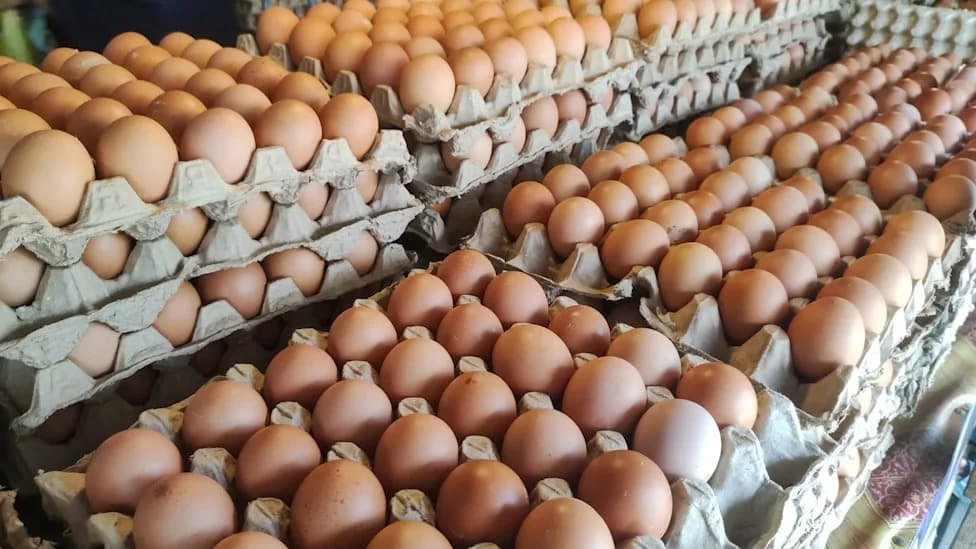
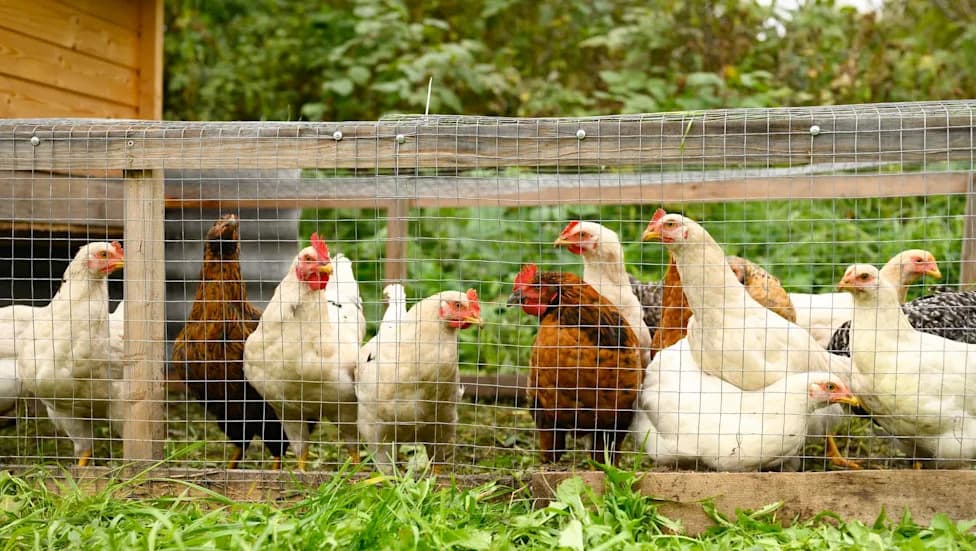
Photo Credit: iStock
The U.S. Food and Drug Administration (FDA) says a salmonella outbreak tied to a large egg recall has sickened 98 people across multiple states, with 73 cases reported in Texas. Federal and state investigators linked many of the illnesses to eggs produced on and shipped from Texas farms.
Key Facts
Illnesses and timeline: The FDA identified 98 illnesses that occurred between Nov. 21, 2025, and June 30, 2026. Twenty-six people were hospitalized; no deaths have been reported.
Recall: On July 22, Midwest Poultry Services, L.P. announced a voluntary recall of 1,589,577 dozen white-shell and brown cage-free eggs because of possible salmonella contamination.
Production and distribution window: The recalled eggs were produced and shipped from Texas farms between June 6 and July 3, 2026, and carry sell-by or best-by dates from July 20 to Aug. 17, 2026.
Retail distribution: Recalled cartons were distributed through Kroger stores in Texas and Louisiana, Brookshire Grocery locations across Texas, Oklahoma, Arkansas, Louisiana, New Mexico and Mississippi, and a number of smaller independent retailers.
What Investigators Found
Health officials identified Midwest Poultry Services, L.P. as a common supplier for many people who became ill, but the FDA notes that the company does not account for all outbreak-associated cases. Investigators connected illnesses to retailers and locations sick people reported buying or eating eggs during the period under review.
Consumer Guidance
- Check your eggs: Compare carton sell-by/best-by dates—July 20 to Aug. 17, 2026—and the production window of June 6–July 3, 2026. If you have eggs that match, do not eat them.
- Dispose or return: Throw recalled eggs away or return them to the place of purchase for a refund.
- Unsure about loose eggs: If eggs were removed from their original cartons and you cannot confirm they are safe, discard them.
- Sanitize surfaces: Thoroughly wash and sanitize countertops, refrigerator shelves, containers, bowls used for loose eggs, and reusable grocery bags that may have come into contact with recalled eggs.
- Seek medical care for symptoms: If you recently ate the recalled eggs and develop diarrhea, fever or stomach cramps, contact a health care provider—especially if the patient is a child, an older adult or has a weakened immune system.
Context and Impact
This egg recall arrives amid increased public attention to foodborne outbreaks, including a high-profile Cyclospora event. Public health experts warn that repeated or overlapping recalls can signal systemic issues in production and distribution and can erode consumer confidence at grocery stores.
For the latest details and advice, follow FDA updates and notices from your local health department.
Help us improve.